Posts filed under Fountain Pen Maintenance

Pen Cleaning Day

Pen Cleaning Day

(Sarah Read is an author, editor, yarn artist, and pen/paper/ink addict. You can find more about her at her website and on Twitter. And check out her latest book, Out of Water, now available where books are sold!)

Fountain pen cleaning. It’s the part of our hobby that’s more like a chore, right? And who wants chores for a hobby? Cleaning pens is probably one of the main reasons a lot of folks don’t want to use fountain pens at all, and I get it. It’s maintenance. Some of them are high maintenance. But for a lot of us here, it’s worth it. Some of us weirdos probably even enjoy it.

I do not enjoy it. But I recognize it as a necessary evil and a small price to pay for writing with a nice pen. The trouble starts when the definition of “necessary” gets a little fuzzy.

My family jokes that I have no back burners, that I just have 50 front burners going at all times. The same goes for my priorities. I have a lot of top priorities. My priority list has at least five number one spots on a good day. And like just about everyone on the entire planet, my priorities got massively scrambled over the past few years.
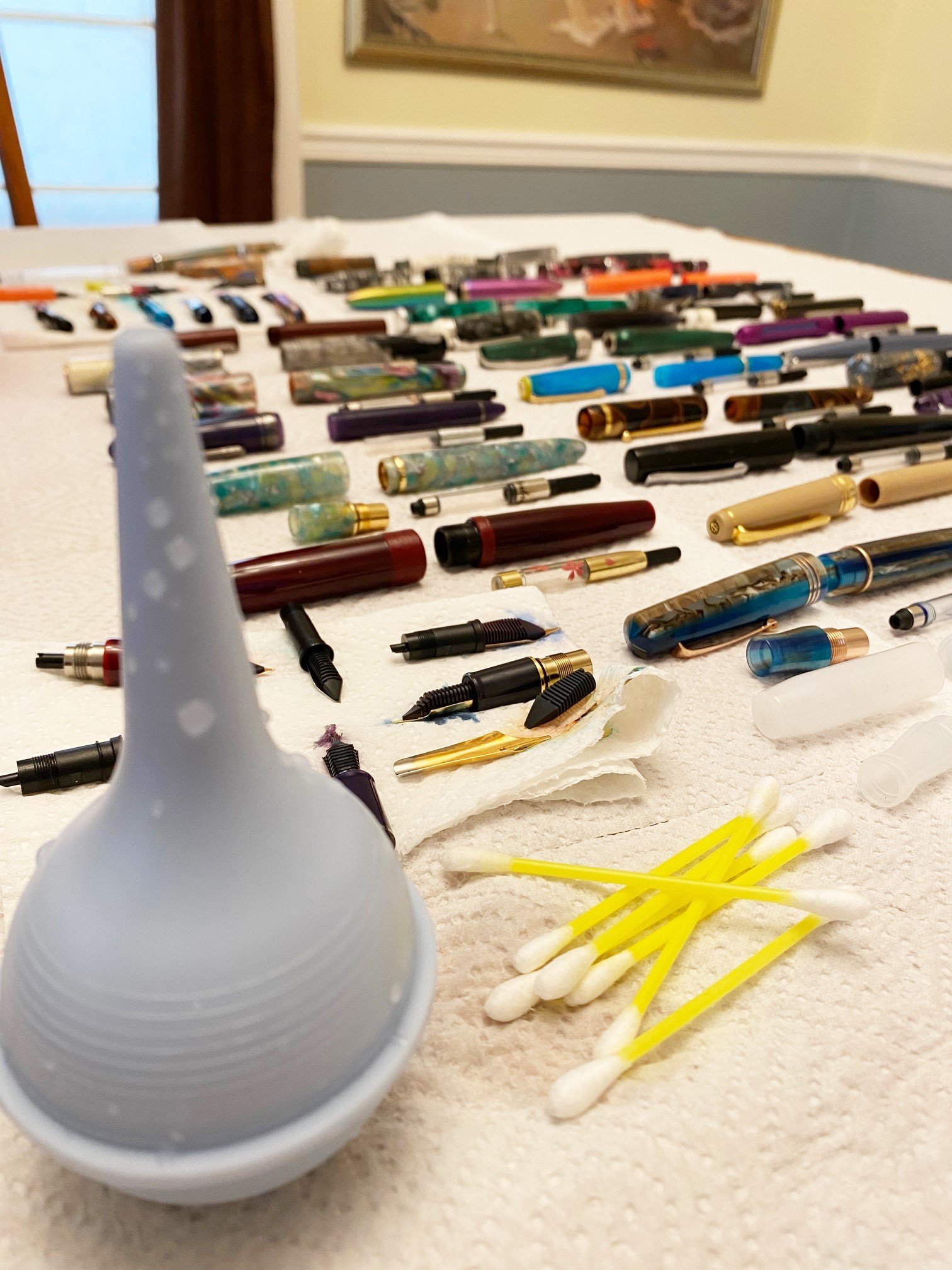
Pen Cleaning Tools

In the past year, cleaning my fountain pens got bumped to a low-priority item. Because it is, turns out. And that means it hasn’t gotten done–not since about September 2020. Basically, what I’m saying is let’s pretend 2021 didn’t happen.

Anyway, I often stick my to-be-cleaned pens in a Sinclair case on my desk. A few months ago I realized I could not fit any more pens into this case, and shared a pic on Instagram of my poor Sinclair that looks like it’s drowning in pens. Trouble ensued. Brad threatened to ban me. I was compared to Myke Hurley. The horror! I vowed to clean my pens as soon as I got a chance.

That chance would not come for several months because you know what? It still wasn’t a high priority, not even under the weight of so much scorn. Not in 2021 or 2022, or as long as this panini panorama continues to usurp my priority list.

But I had some free time this week. So I did the thing.

I was pretty surprised to see that I only had 29 pens to clean. I did have a few that were regularly re-inked and reused in that time, like my Wicked Witch Sailor that has been re-inked with Bungubox Witch of the West three or four times and has stayed in rotation pretty much since I got it. Same deal for my Spoke Axle with Robert Oster Fire and Ice, and my Gravitas skulls with Diamine Writer’s Blood. Those three have dedicated inks and a permanent place in my rotation, so that helped keep the cleaning pile from getting worse than it was.
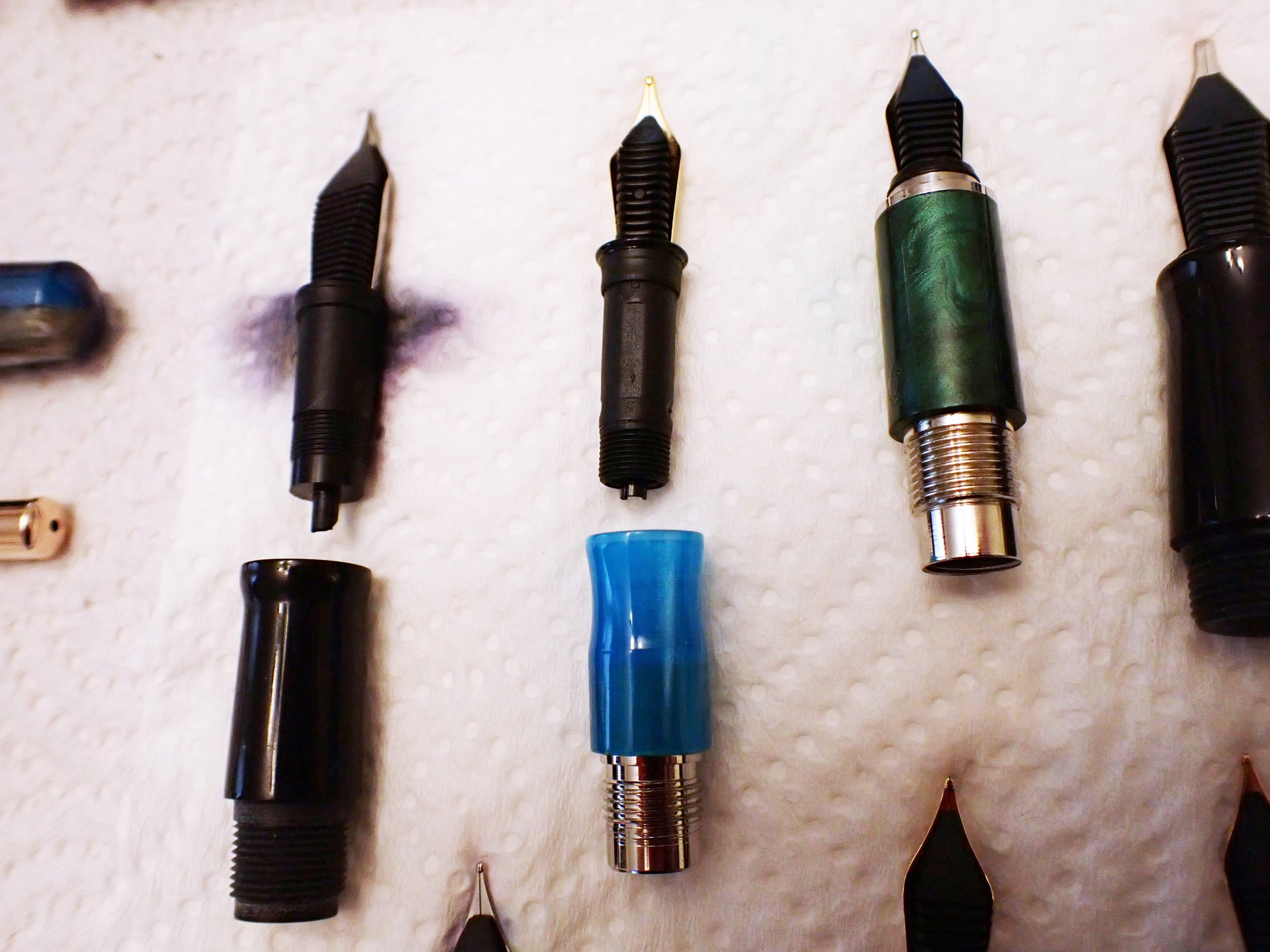
Pen Cleaning Day

It still took me over four hours, though. Because yes, some of those pens have been sitting since September 2020, and I had a row of cups soaking stubborn nibs and feeds. Everything did come clean, though, and all the pens are now bathed and happy. I put the cats in the basement, put on an audiobook, dragged a chair over to the sink, and knocked it all out.

I left one pen inked–my Schon DSGN Ultem Peek-a-Boo. And I have since inked up two new pens for review purposes. But other than that, everything is put away. It feels good.

I can’t say it won’t happen again. 2022 is not giving me “you will regain control of your life and your priorities” vibes. I think we’re going to stick with survival mode for a bit longer, here. Which means enjoying my pens without worrying about them. Because they’re fine! Everything’s fine. Everything’s. just. fine.


Enjoy reading The Pen Addict? Then consider becoming a member to receive additional weekly content, giveaways, and discounts in The Pen Addict shop. Plus, you support me and the site directly, for which I am very grateful.

Membership starts at just $5/month, with a discounted annual option available. To find out more about membership click here and join us!

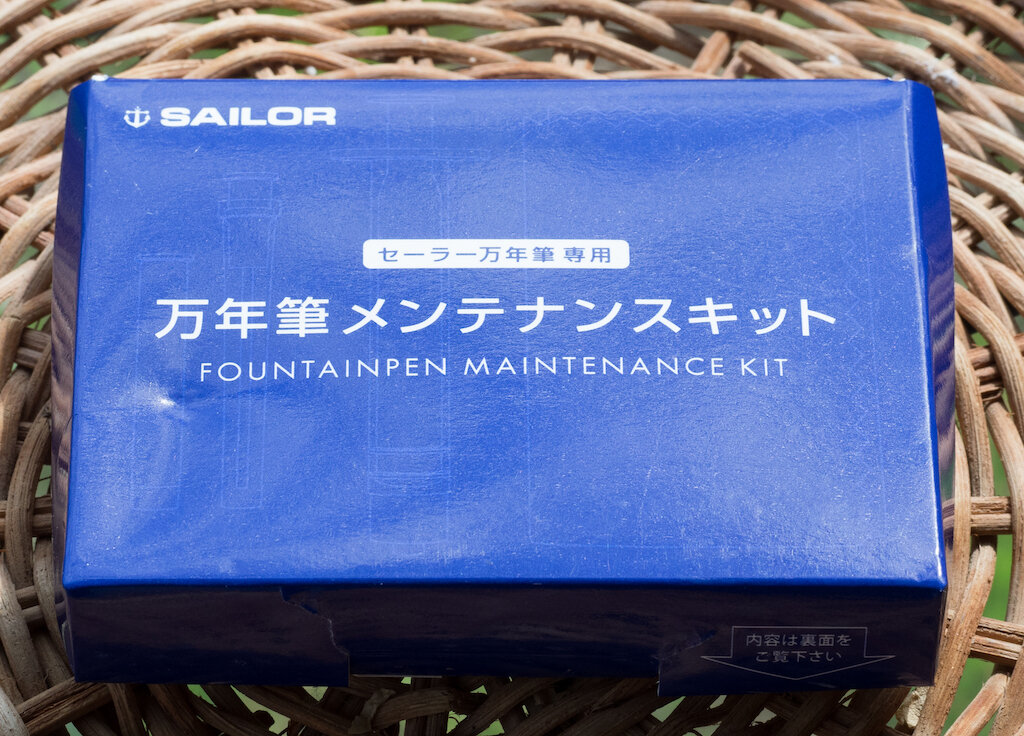
Pen Cleaning
Posted on January 13, 2022 and filed under Fountain Pens, Fountain Pen Maintenance.

Sailor Fountain Pen Maintenance Kit Review

(Susan M. Pigott is a fountain pen collector, pen and paperholic, photographer, and professor. You can find more from Susan on her blog Scribalishess.)

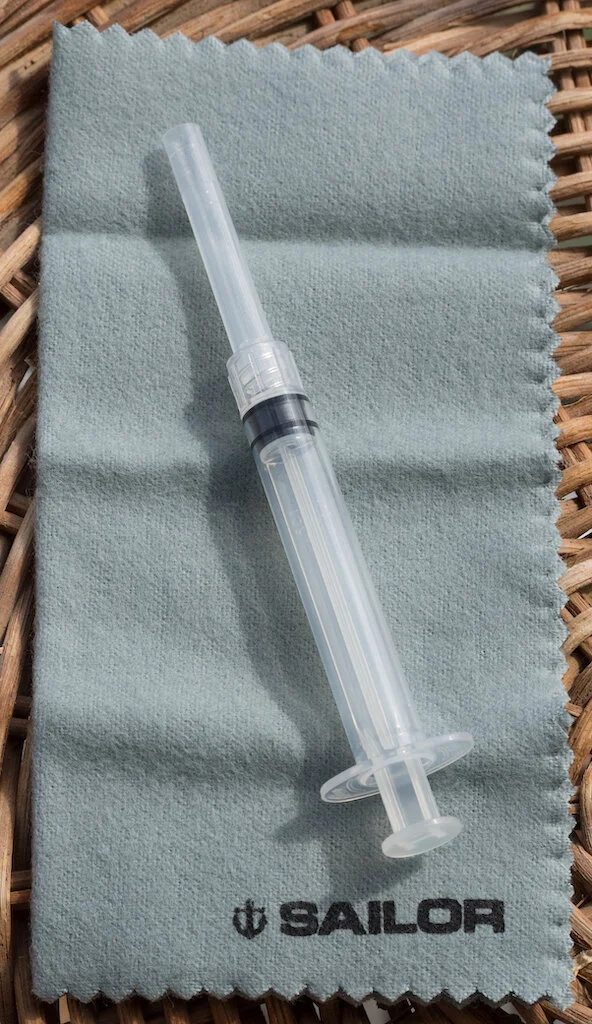
The Sailor Fountain Pen Maintenance Kit arrives in a small blue cardboard box. Inside are a 3ml plastic syringe with two attachments: a blunt metal syringe pipette and a plastic nozzle attachment for cleaning. In addition there’s a soft cleaning cloth.

The attachments serve two different purposes. The metal syringe pipette is used for drawing up ink from near-empty bottles. You simply screw the pipette onto the syringe and stick the unit into the ink bottle.

The syringe pulls a full 3ml of ink into the syringe. You can use this to fill your converter or an empty, clean cartridge (just be careful not to press the syringe too hard or too quickly or you’ll have a mess on your hands).

The cleaning nozzle also attaches to the syringe. After rinsing your nib unit thoroughly, fill the syringe with clean water.

Insert the nozzle into your nib unit and press gently. The water will flow through the nib unit and clean out any remaining ink.

Although you can use a baby nasal aspirator (what I call a “nose sucker”), you don’t have as much control over the flow of water through your nib. The syringe/nozzle unit works much better because it allows you to apply gentle pressure.

The cleaning cloth is just a simple, soft cloth for wiping your barrel or mopping up leftover water.

Keep in mind that the Sailor Maintenance Kit is intended only for Sailor or Nagasawa brand pens. Although you can certainly use the metal syringe with any ink bottle and cartridge/converter, the cleaning nozzle is made to fit Sailor nib units only.

You can purchase the Sailor Fountain Pen Maintenance Kit from JetPens for $16.00, which seems a bit expensive to me. You can purchase ink syringes with metal pipettes pretty inexpensively from other retailers. However, if you have a large Sailor collection, this kit might be worth the cost since it comes with a nozzle sized specifically to clean Sailor nibs.

(JetPens provided this product at no charge to The Pen Addict for review purposes.)


Enjoy reading The Pen Addict? Then consider becoming a member to receive additional weekly content, giveaways, and discounts in The Pen Addict shop. Plus, you support me and the site directly, for which I am very grateful.

Membership starts at just $5/month, with a discounted annual option available. To find out more about membership click here and join us!

Posted on April 3, 2020 and filed under Sailor, Fountain Pen Maintenance.

Zen and the Art of Fountain Pen Maintenance

(Susan M. Pigott is a fountain pen collector, pen and paperholic, photographer, and professor. You can find more from Susan on her blog Scribalishess.)

Some fountain pen owners are fastidious about cleaning their fountain pens. They keep an ongoing record of which pens are inked, the date of inking, the color, when the pen needs to be cleaned, and the date the pen moved out of rotation. They typically have only a small number of pens inked at any given time. Then, each week or so, on an appointed day, they clean out their inked pens, dry them carefully, and choose a new set of pens to ink and use.

I am not one of those people.

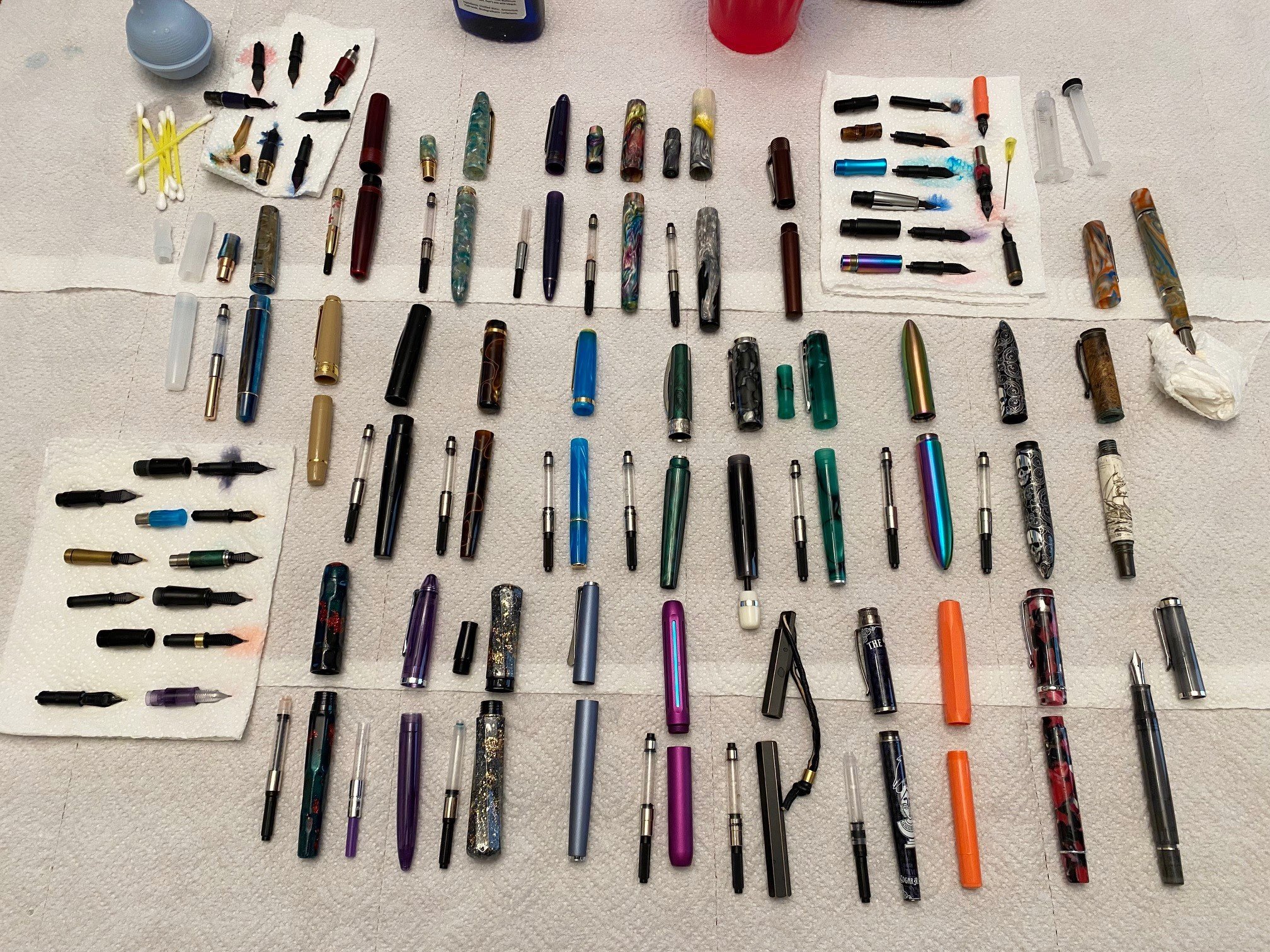
I just spent an entire morning cleaning my fountain pen collection of about 70 pens. A few of these pens had been properly cleaned and stored, but, I am sad to say, most had been left with ink, unused, for months. I am a very naughty fountain pen owner. Honestly, it's not that I neglect my pens. I really do love them–all of them. I simply want to be able to use any given pen at a moment's notice as the mood calls for it. Plus, I'm disorganized and clutter-muddled and I can't keep track of which pens are inked and which are not. Thus, the Mega Pen Cleaning Morning involved the following sets of pens (I didn't take a photo of the first batch, so, really, there were five batches in all).

Now that all my pens are clean, I hope to do a better job of keeping track of them. To be sure, I have plenty of empty notebooks to do this. Special notebooks also exist for this purpose, such as the InkJournal and Pen Habit's "Currently Inked" log.

All of this made me think about the art of fountain pen maintenance, in particular cleaning.

Equipment

You really don't need much in terms of equipment to clean fountain pens. Here's what I use:

  • Water. I do all my cleaning at the kitchen sink using tap water. But some people prefer to use distilled water to avoid hard water deposits affecting their pens.
  • Pen flush. You can purchase commercial flush such as Goulet's Pen Flush $11.00, or you can make your own. Basically Pen Flush is 1 part ammonia to 10 parts water and a couple of drops of Dawn Dish Detergent. If you use pen flush, draw it into the pen or converter, soak, and then rinse with plain water repeatedly to insure all the cleaning solution is gone.
  • Bulb Syringe. You can get one of these in the baby aisle of any supermarket. This is useful for cleaning out nib units.
  • Q-Tips. I use these only to wipe out and dry caps after I've rinsed them. I don't recommend using them on any other parts of your pens since fibers can get lodged in fountain pen barrels or nibs.
  • Towel. I just use paper towels, but you can use a dedicated soft towel for wiping down your pens. Paper towels are fine for letting your pens dry and wiping off nibs.
  • 100% Pure Silicone Grease. If you have a sticky piston or converter, silicone grease is the answer. You can buy this from Goulet $3.00 or, if you've purchased a TWSBI, you get a vial of it with the pen.
  • Toothpicks. I use these for dabbing silicone grease where it needs to go.

Methods

The way you clean a fountain pen depends on the type of pen you're working with. Some fountain pens are easier to clean than others. I will discuss the various methods I use with the fountain pens I own. I no longer own any vintage pens with sacs or complicated filling systems, so I will leave that for others to discuss.

Eyedropper Fountain Pens

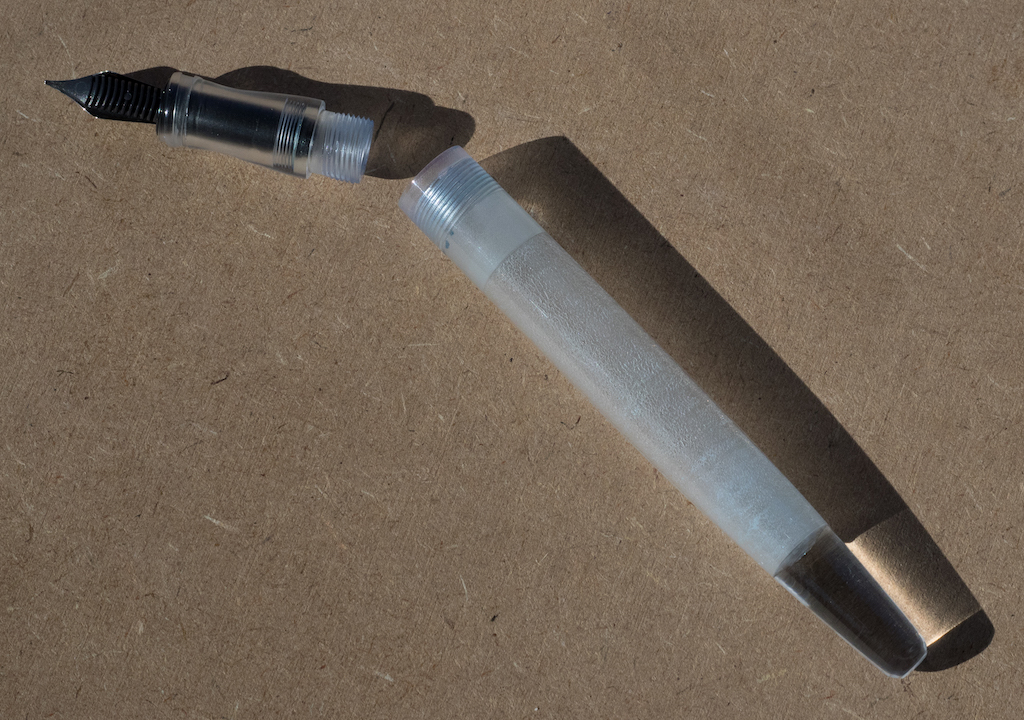
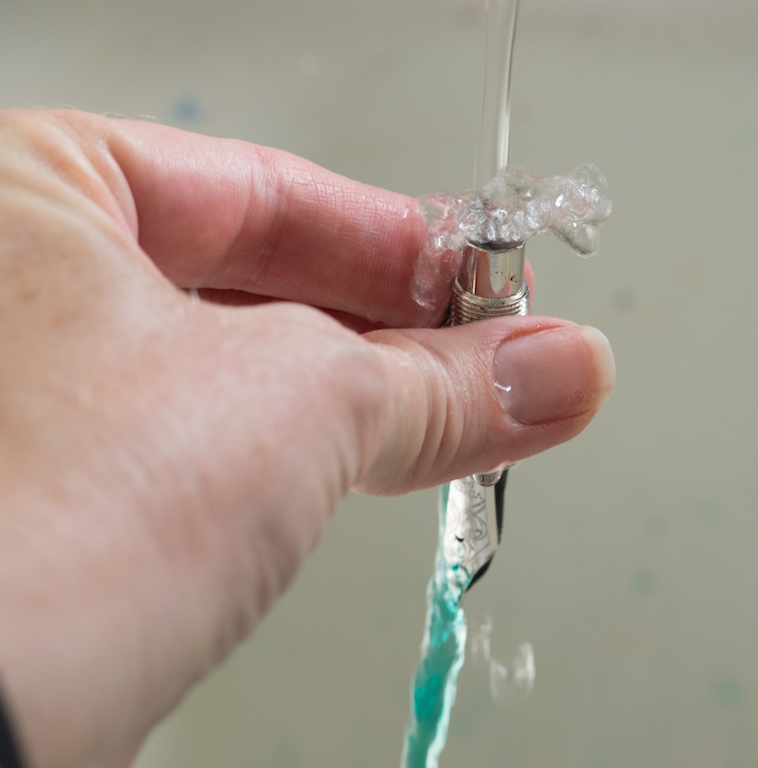
This is probably the easiest kind of fountain pen to clean. Just unscrew the nib, empty the ink, and rinse the barrel thoroughly. Put the nib unit under running, room-temperature tap water to rinse out the bulk of the ink. Then use the bulb syringe to gently finish cleansing the nib unit.

Squeeze gently (too much force and you might pop the nib off the feed. I've managed to do that). Repeat until the water is clear.

Cartridge/Converter Fountain Pens

The next easiest kind of pen to clean is cartridge/converter fountain pens. Empty the ink and separate the nib from the converter. Put the nib unit directly underneath running tap water to rinse out most of the ink, then finish with the bulb syringe.

The converter can be rinsed separately. Reassemble and you're done.

Piston Fountain Pens

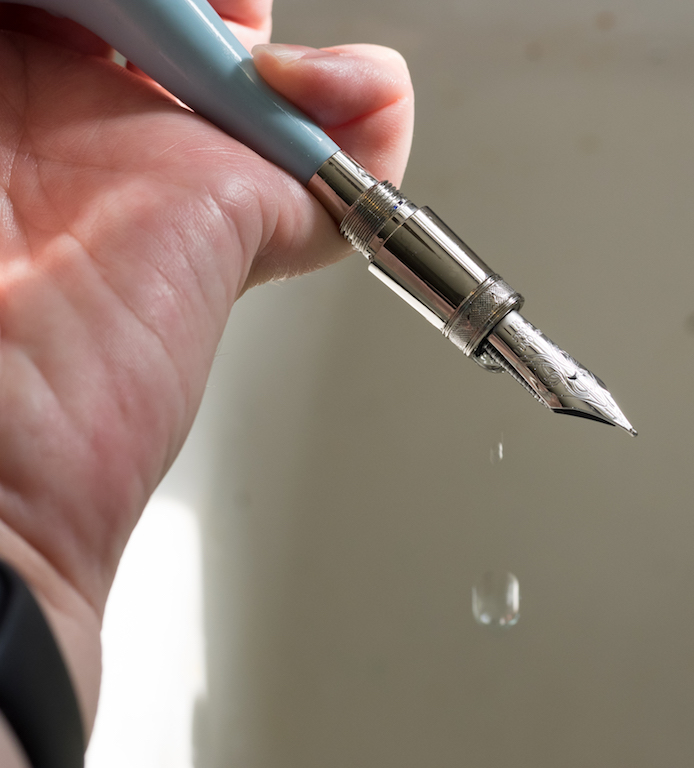
Piston fountain pens are simple to operate, but getting all the ink out can be a chore. Turn the piston to empty out any remaining ink. Fill a bowl with water and insert the nib unit. Fill and empty until the water runs clear or your patience runs out. I flick the pen to empty out any remaining water, but be careful to hold onto your pen and watch where you flick–you don't want to mangle your nib on the side of the kitchen sink.

Vacuum Filler Fountain Pens

One of the most difficult kinds of pens to clean are Vacuum-filler fountain pens. It just seems that getting all the ink out requires an awful lot of plunging, but unless you can disassemble the pen (as you can with a Conid Bulkfiller), you simply have to rinse and repeat. Empty the ink out, pull out the plunger, put the nib unit in clean water, and plunge. I gently shake the pen to help remove the ink from the barrel walls. Empty and repeat until the water is as clear as you can get it.

Caps

Occasionally, ink leaks into pen caps, so I usually rinse out my caps when I'm cleaning my pens. Afterwards, I use a Q-Tip to wipe out any remaining ink and dry the pen cap. I leave the cap upright on a paper towel to complete the drying process.

Dealing with Sticky Pistons/Converters

Sometimes pistons get sticky and are difficult to move. If the fountain pen has a removable nib (as Pelikans do), the problem is easily remedied. Simply retract the piston, remove the nib unit, put a bit of silicone grease on a toothpick, and gently rub the grease onto the walls of the barrel as close to the piston seal as possible. You don't need much. Move the piston in and out to lubricate the pen and reinsert the nib unit.

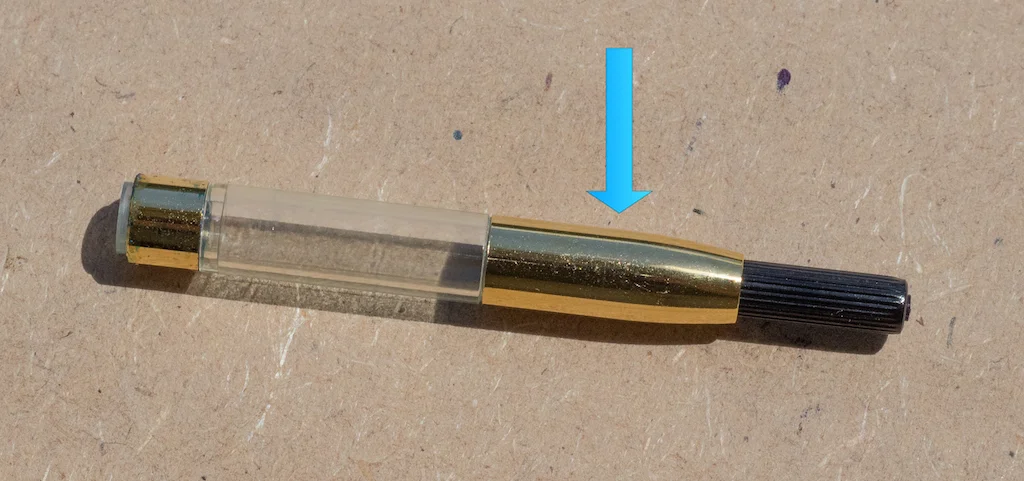
Some converters (such as Platinum and Sailor) can also be disassembled and lubricated. I have to do this quite often with Platinum converters which get gummed up easily. Unscrew the gold/silver portion (getting it started can sometimes be difficult. Use rubber gloves if you need to get a better grip).

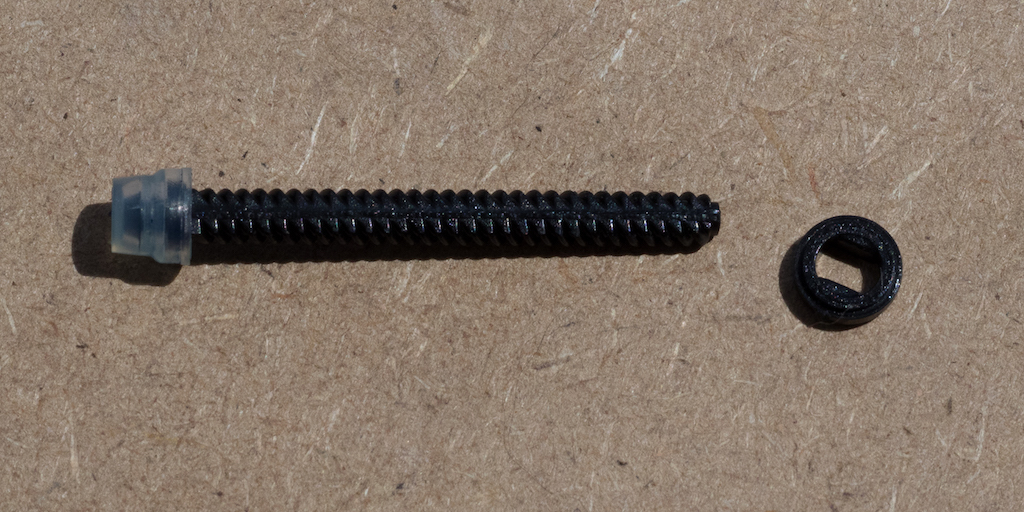
Pull out the piston assembly carefully. On Platinum converters, there's a tiny gasket that comes off and can easily be lost, so do this at a table or counter.

Dry off the end and smear a small amount of silicone grease on the portion that touches the converter sides. Reassemble and move the piston in and out until it works smoothly.

Obviously, there's a lot more to fountain pen maintenance than cleaning and lubricating pistons/converters. But this article provides a starting point.

How often you clean your pens is really up to you. You may decide on a rotation system as I described in the introduction. Or you may use your pens until the ink runs dry and clean them before refilling. Most modern fountain pen inks won't harm your fountain pens (but use extra caution with vintage pens). If you use highly saturated inks and/or iron gall inks, clean your pens more often.

Cleaning your fountain pens really can be an enjoyable, zen-like task. There's something quite satisfying about emptying a pen, flushing it clean, and readying it for a new color of ink.

Just don't wait to do your entire collection on one day.


Enjoy reading The Pen Addict? Then consider becoming a member to receive additional weekly content, giveaways, and discounts in The Pen Addict shop. Plus, you support me and the site directly, which I am very grateful for.

Membership starts at just $5/month, with a discounted annual option available. To find out more about membership click here and join us!

Posted on July 1, 2016 and filed under Fountain Pen Maintenance.