Posts filed under Pencil Reviews

Craft Design Technology 038W Pencil Review

Craft Design Technology 038W Pencil Review

(Jeff Abbott is a regular contributor at The Pen Addict. You can find more from Jeff online at Draft Evolution and Twitter.)

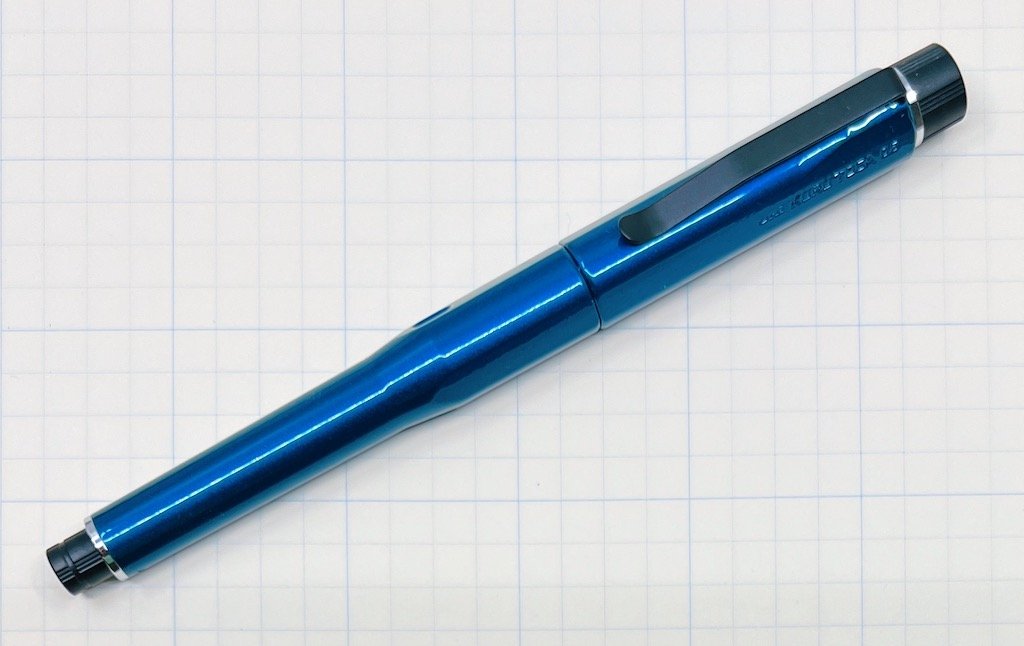
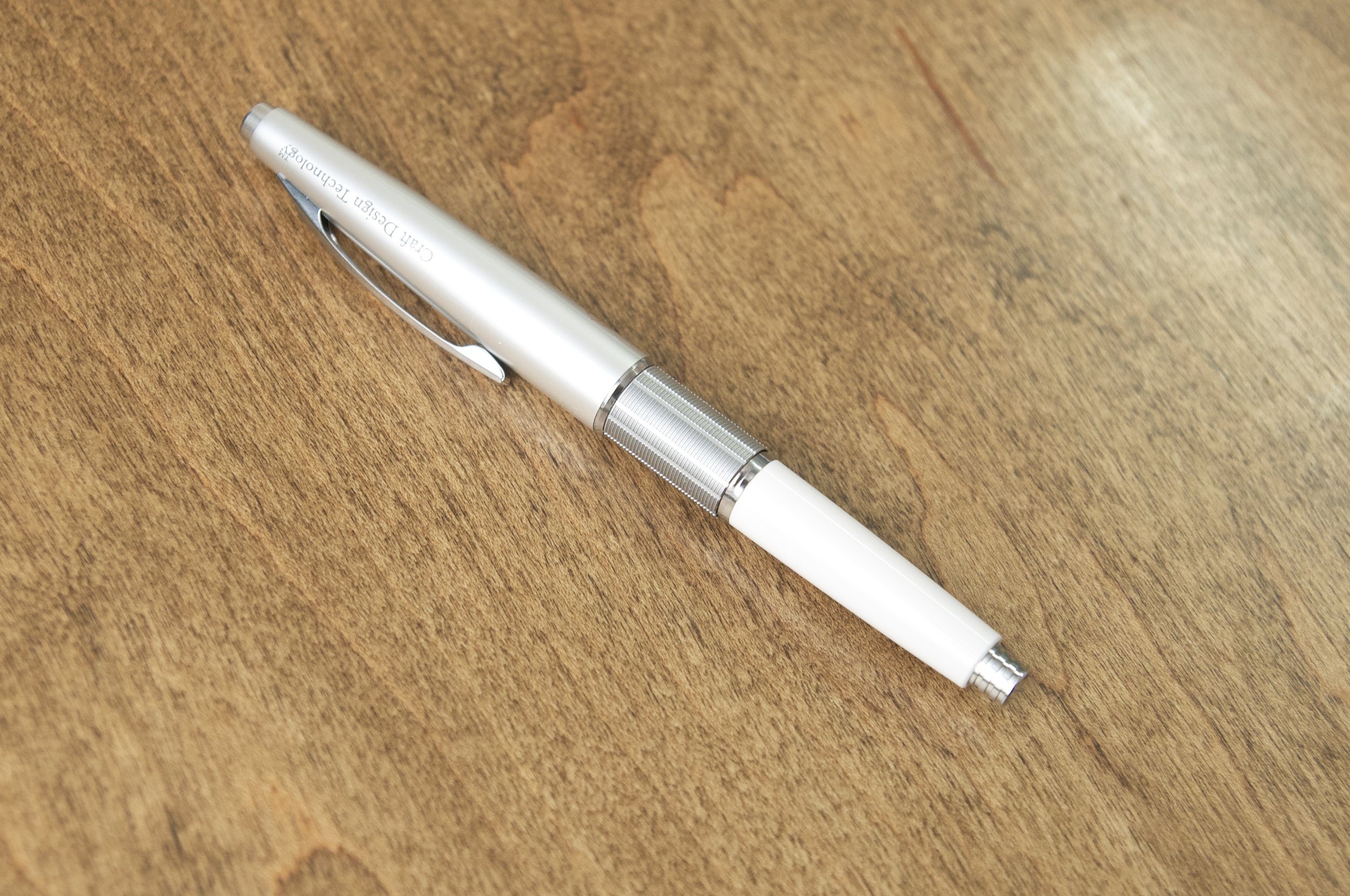
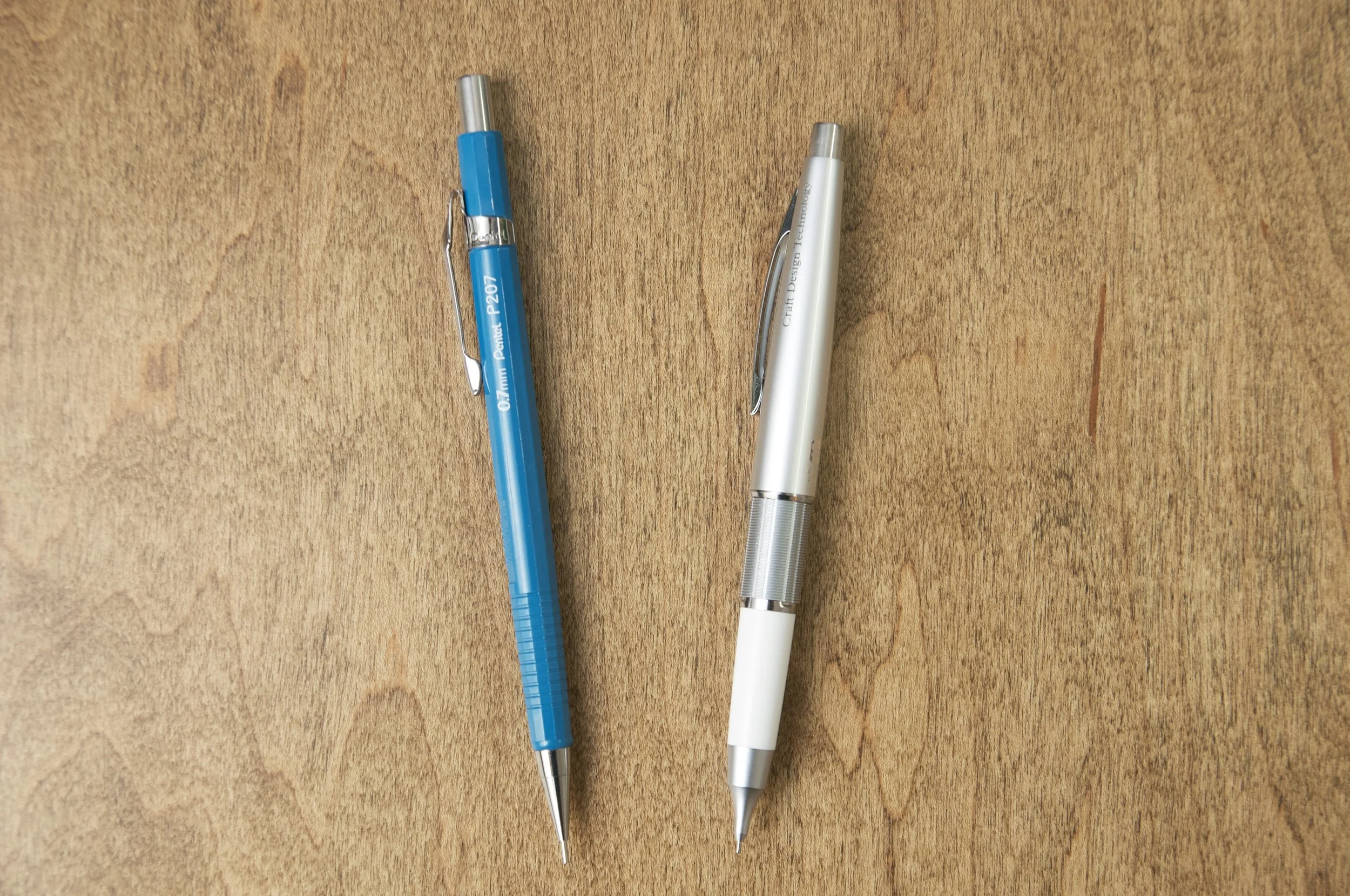
It's been several months since I've tried a new pencil of any kind, so I was happy to sit down and switch gears for a while with the new Craft Design Technology 038W mechanical pencil. Immediately after opening the box, I knew I had seen the pencil before, but couldn't place where. Then I remembered seeing one on my dad's drafting table from decades ago. And then I remembered that the pencil I remembered was made by Pentel. Interesting. After investigating the box and small card that came with the packaging, it even gives manufacturing credit to Pentel for the pencil. At any rate, the 038W is a re-branded Pentel Sharp Kerry pencil in a unique colorway, and it's still the great mechanical pencil that Pentel has offered for decades.
Craft Design Technology Pentel Kerry

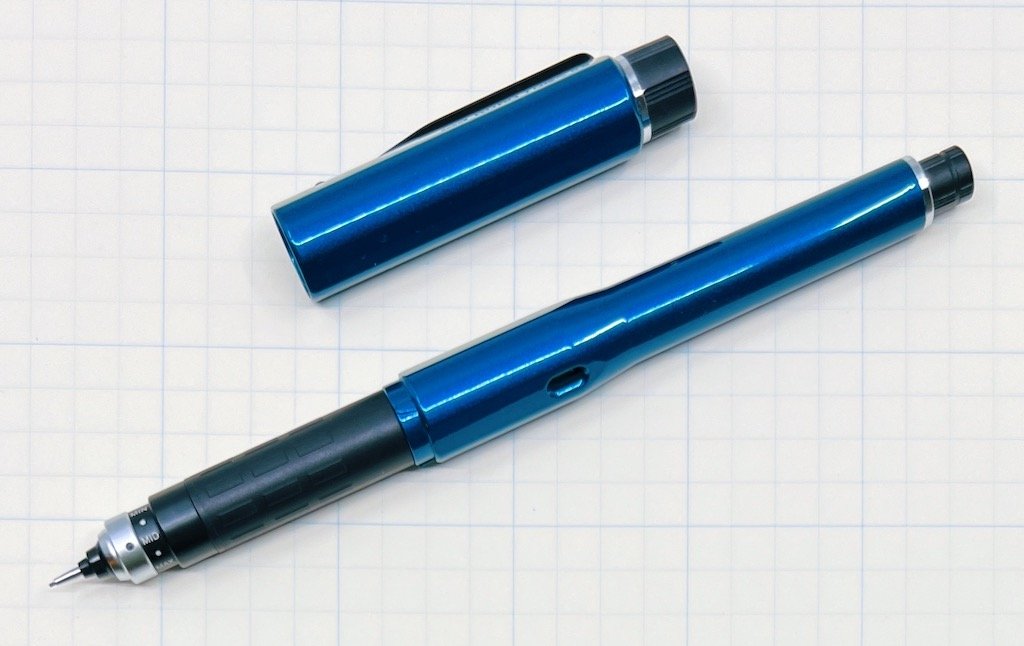
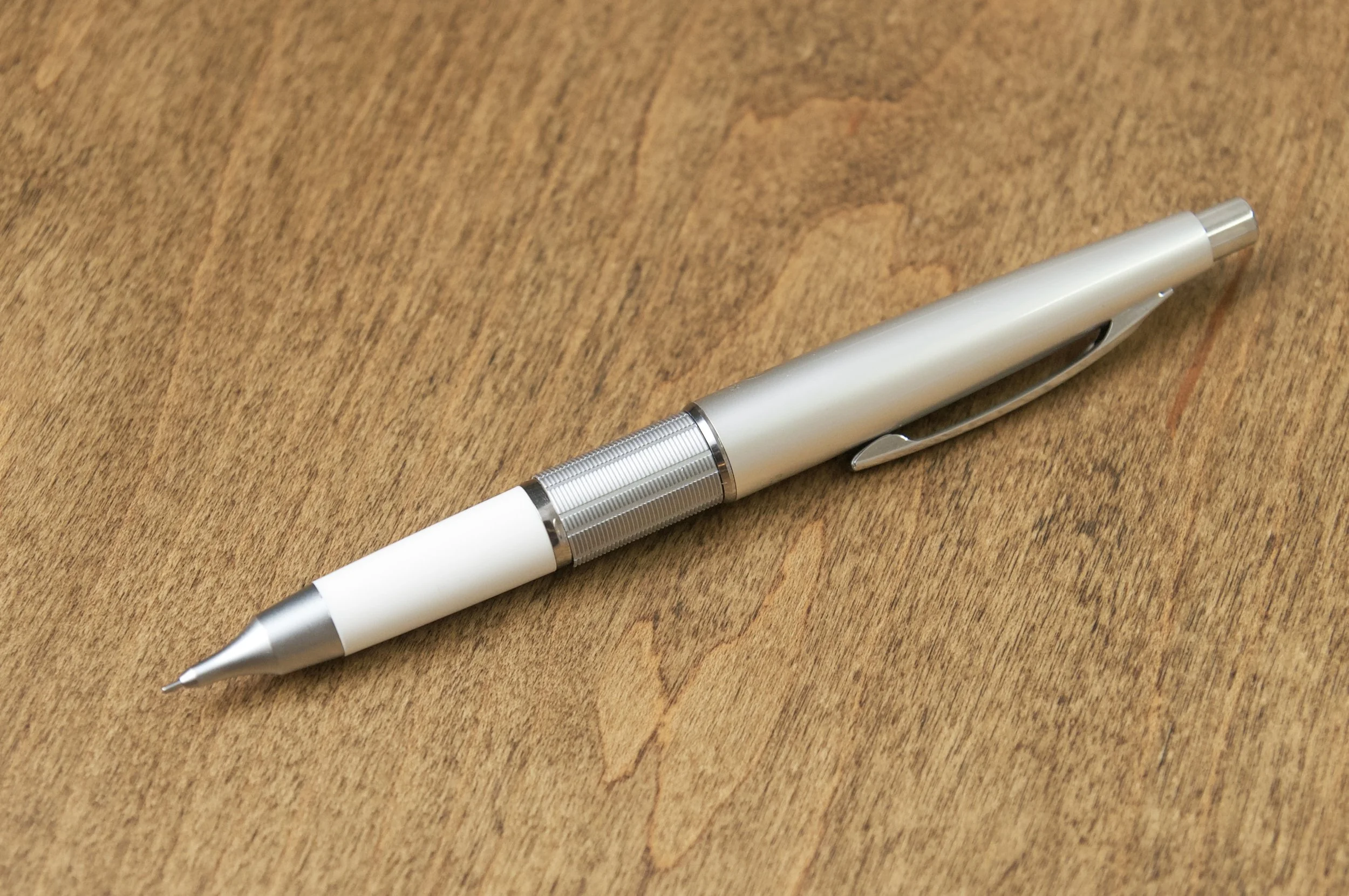
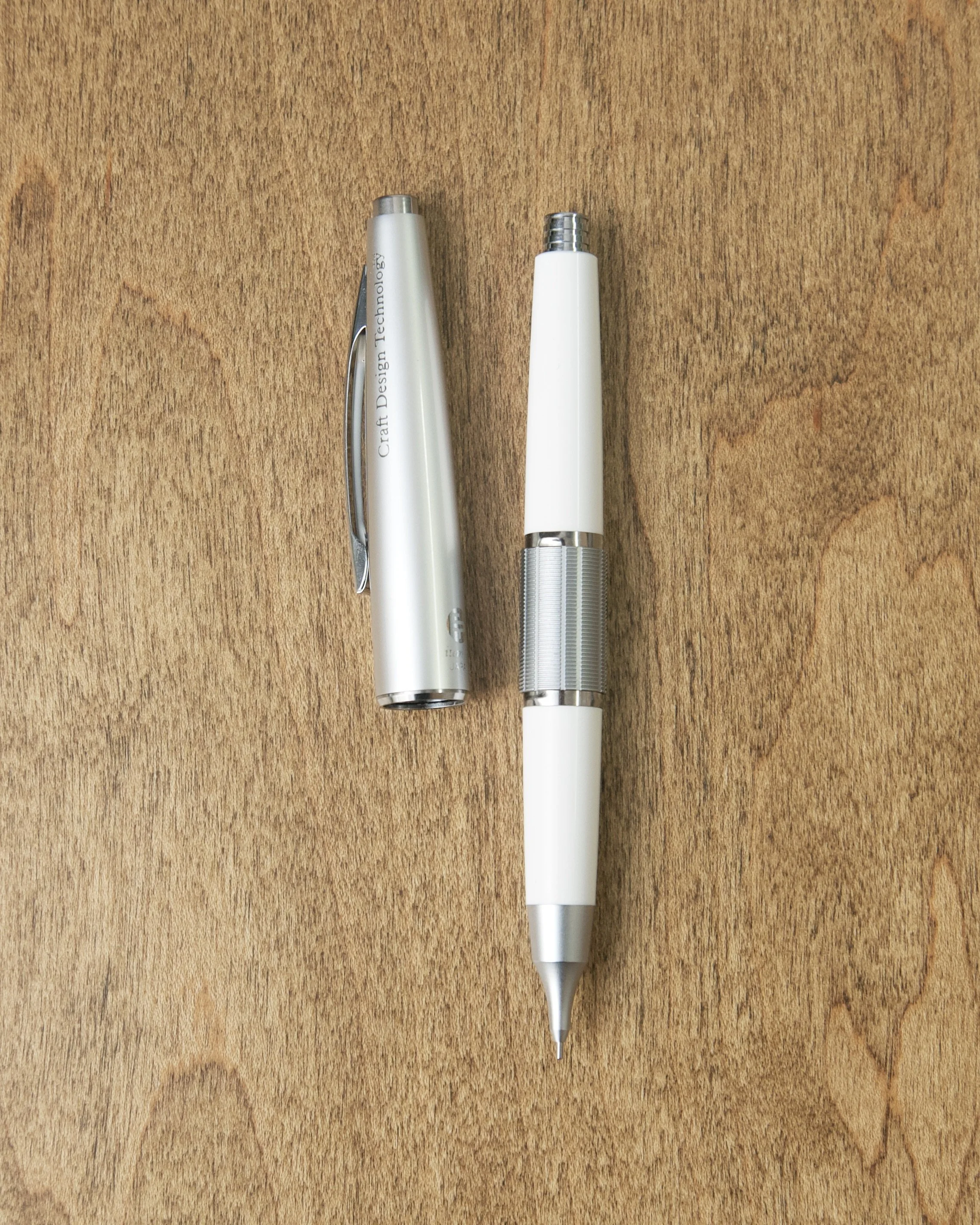
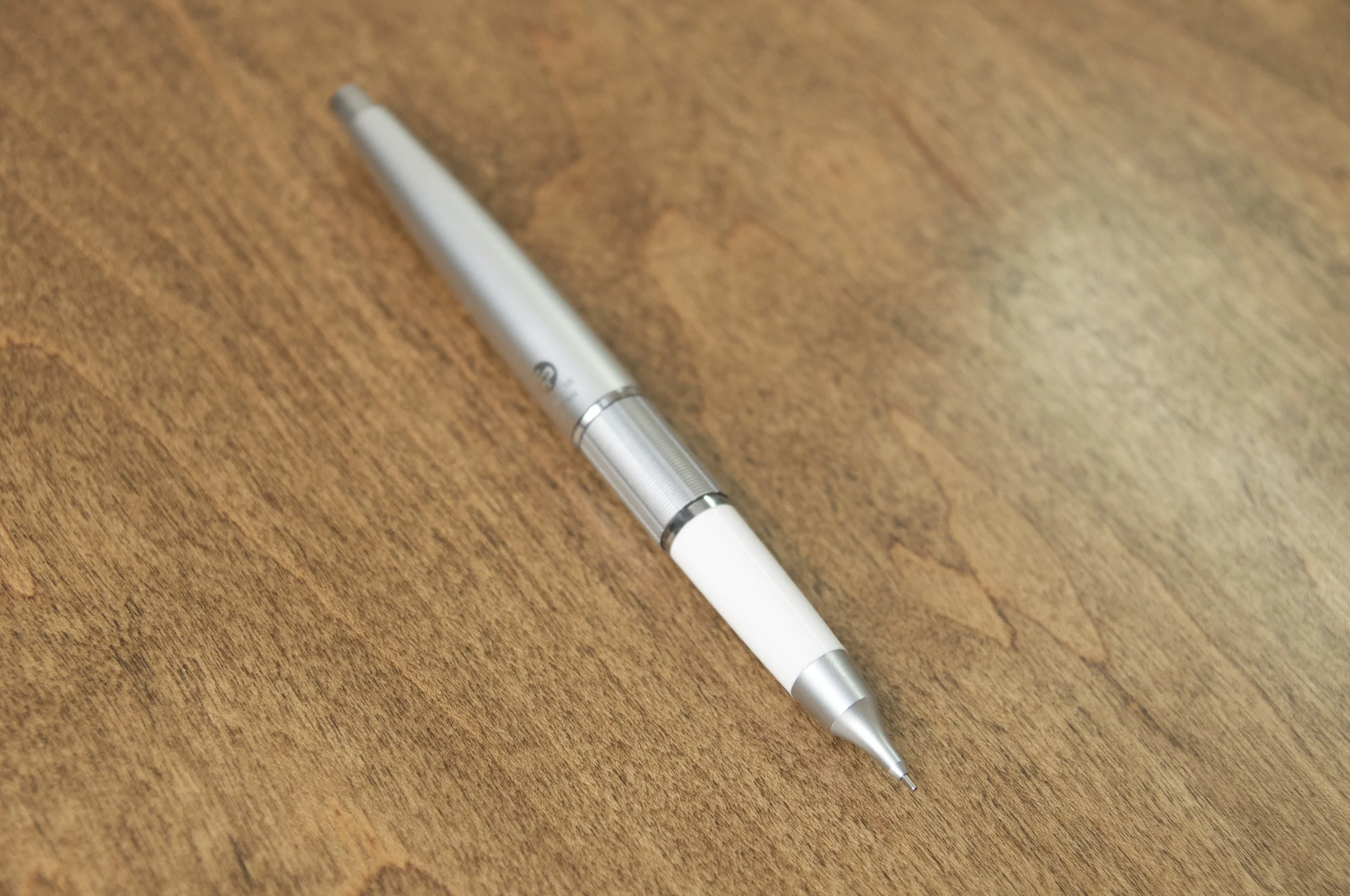
If you've never tried a Kerry, you really ought to pick one up and give it a go. It's one of only a few mechanical pencils I can think of that features a capping design. All of the mechanical pencils I own are one piece, and you can easily retract the lead into the pipe when not in use. In some cases, the pipe and cone of the pencil retract into the body for safe keeping. But with the Kerry (or 038W), The cap completely covers the front half of the pencil from the grip section to the lead that protrudes out of the pipe. In this case, you can cap the pencil and stow it without remembering to retract the lead first. The lead won't get broken off in your back, pocket, etc. while not in use! This can be a big perk if you like the lead to stay at the same length in between uses.
Craft Design Technology Pentel Kerry

The design of this pencil reminds me of fountain pens like the Pilot Murex or M90. While those fountain pens are of a higher quality (and price), there's something about the shapes that my brain can't help but compare. Sure, the Fisher Bullet pen or Kaweco Sport is similar in that the posted pen is a normal length while the capped pen is much smaller, but the Kerry just has a similar vibe as the M90 and Murex.

The pencil is fairly lightweight despite the use of metal in most of the parts. The cap is fairly long, but that gives the pencil a perfect balance when posted. You can also use the pencil without the cap, but it's a little too short for my taste.

The middle part of the body between the grip section and the back of the body is a textured metal that offers a subtle grip. For a standard grip, you won't use this metal piece when writing, but it does provide good handling feel when moving the pencil around when not writing.
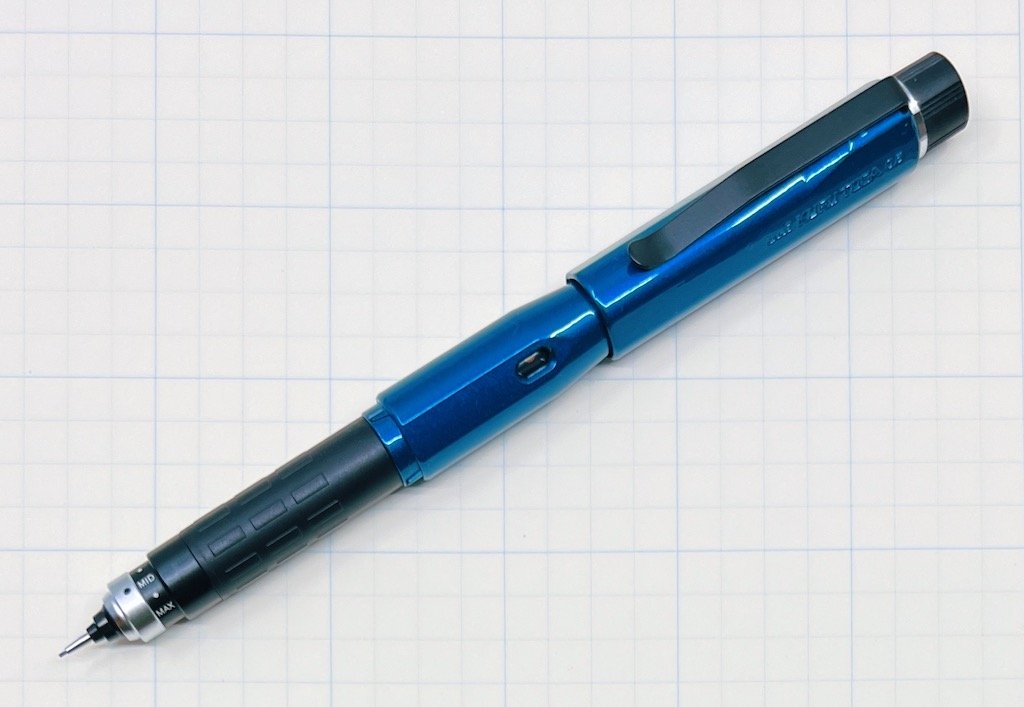
Craft Design Technology Pentel Kerry

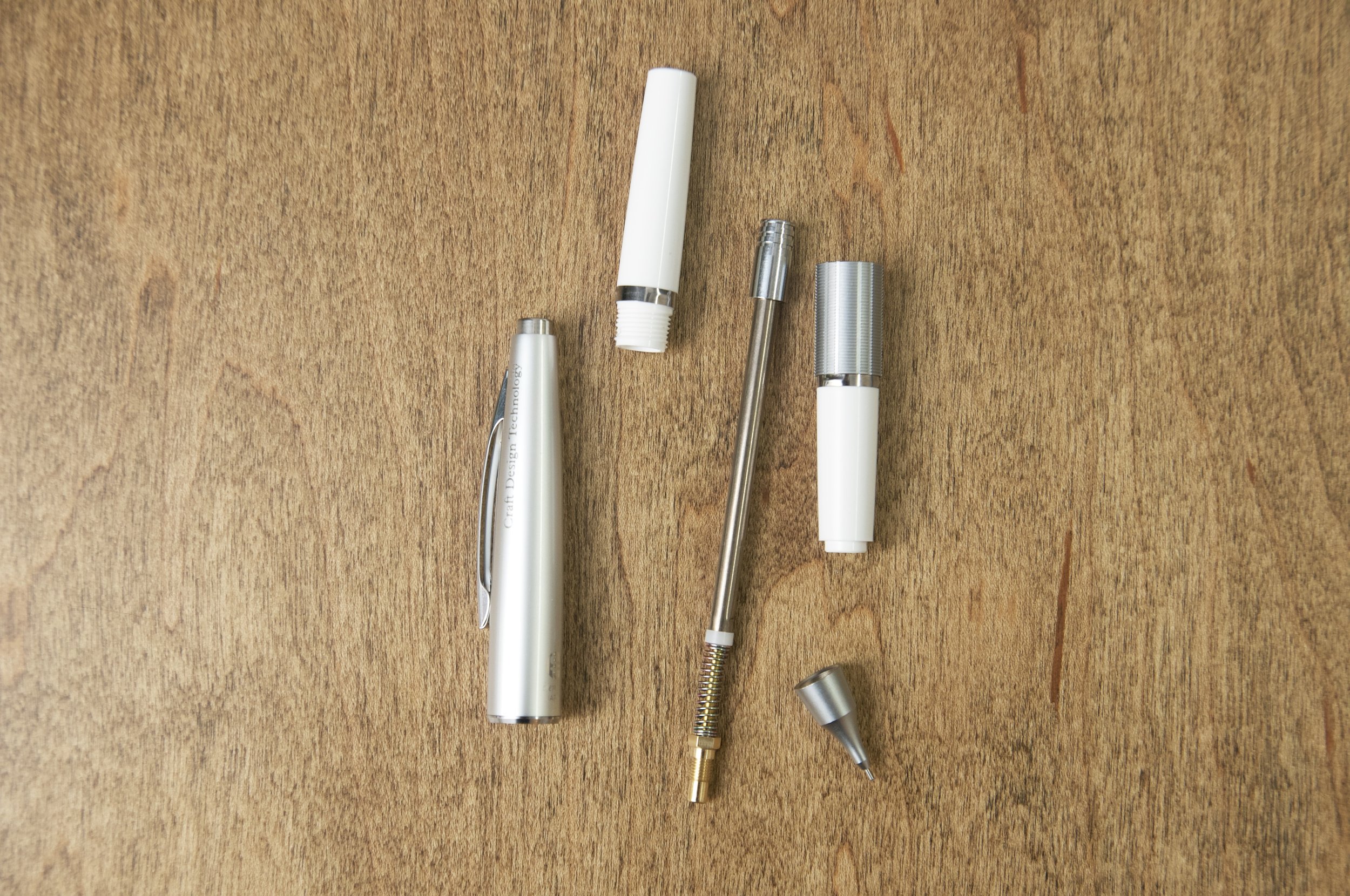
The section and back part of the pencil body are made of a white plastic. Aside from these two pieces, everything else is metal. But the metal pieces all feature unique finishes that make them stand out. My favorite look is the cone and tip — it has a satin finish that I really enjoy. There are reflective chrome-like finishes on the nock buttons, and some reflective bits on either side of the middle decorative section. Honestly, I think the overall aesthetic could be improved by reducing the various finishes down to one or two.

Let's talk about the clicker, because that's one of the more interesting things about this pencil. The lead advancement button is on the butt of the pencil, just like most mechanical pencils. But, since this is a capped design, the button is covered when the cap is posted. No good! But Pentel provided an elegant fix for this. There's a "dumb" button on the cap as well that sits on top of the real button when the cap is posted. When posted, the lead advance button feels just like any pencil. It's solid and responsive and you'd never guess that it was detachable. I love it.
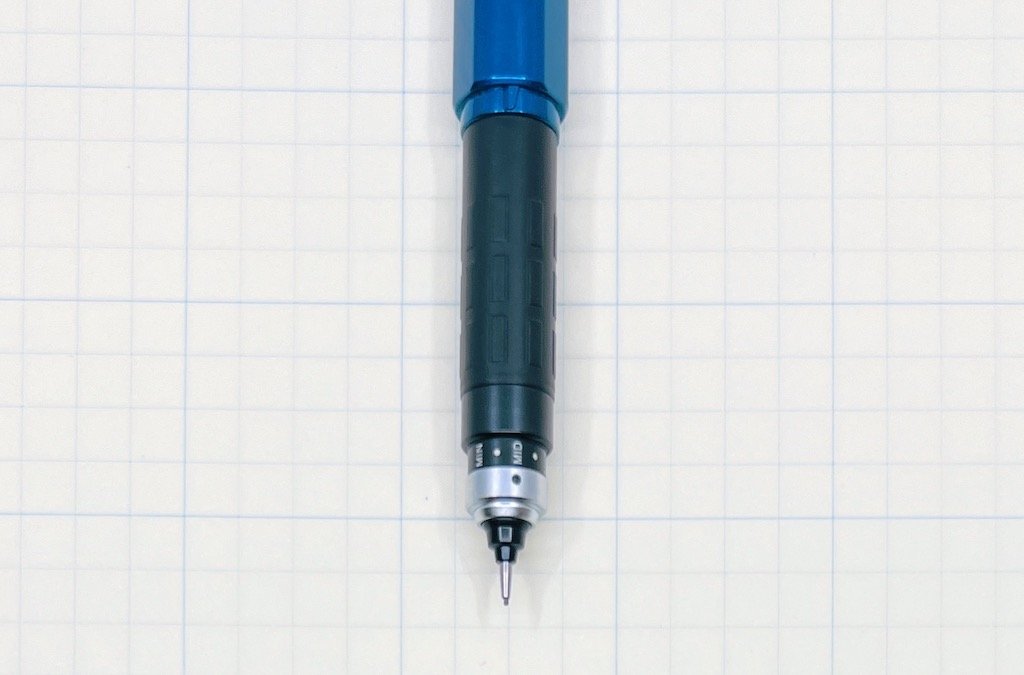
Craft Design Technology Pentel Kerry

When writing with the pencil, the plastic grip does a great job of providing solid grip and control. The nose is tapered heavily and the lead pipe is about 2 mm long, giving you great visibility around the area you're focused on drawing or making marks with a straight edge. It feels great in the hand, and I've really enjoyed using it.

In short, I'm a big fan of the Pentel Sharp pencils, Kerry included. It's cool to see companies like Craft Design Technology put their spin on this classic pencil, and I hope it introduces more people to this great product. It is currently sold out at Yoseka Stationery, so if you want to pick up your own, you can find it on the Craft Design Technology website. According to current currency conversions, it costs about $20 before any shipping or other fees for international customs. If you're already in Japan, this is probably an easy thing to grab. Unless you really want the unique colorway featured here, you can pick up a standard Pentel Sharp Kerry in a number of other colors from your local stationery store or preferred online retailer. For the US, JetPens has several color variations for $16. The great thing about this pencil is that it feels like something that costs more than the price tag. It's a great pencil, and one you should try out if it looks even remotely interesting to you!

(This pencil was purchased from Yoseka Stationery at retail price.)


Enjoy reading The Pen Addict? Then consider becoming a member to receive additional weekly content, giveaways, and discounts in The Pen Addict shop. Plus, you support me and the site directly, for which I am very grateful.

Membership starts at just $5/month, with a discounted annual option available. To find out more about membership click here and join us!
Craft Design Technology Pentel Kerry
Posted on September 7, 2022 and filed under Craft Design Technology, Pentel, Kerry, Mechanical Pencil, Pencil Reviews.

Mitsubishi 9800VB Pencil Review

Mitsubishi 9800VB Pencil Review

Anti-microbial stationery goods have been around for decades, but they haven’t exactly been interesting for avid stationery fans such as myself. These products were generally a combination of low-quality/low-cost for bulk purchase and usage by schools, hospitals, and the like. And unless you wanted to go with a full copper-barrel product for it’s natural anti-microbial tendencies, a premium writing experience was hard to find.

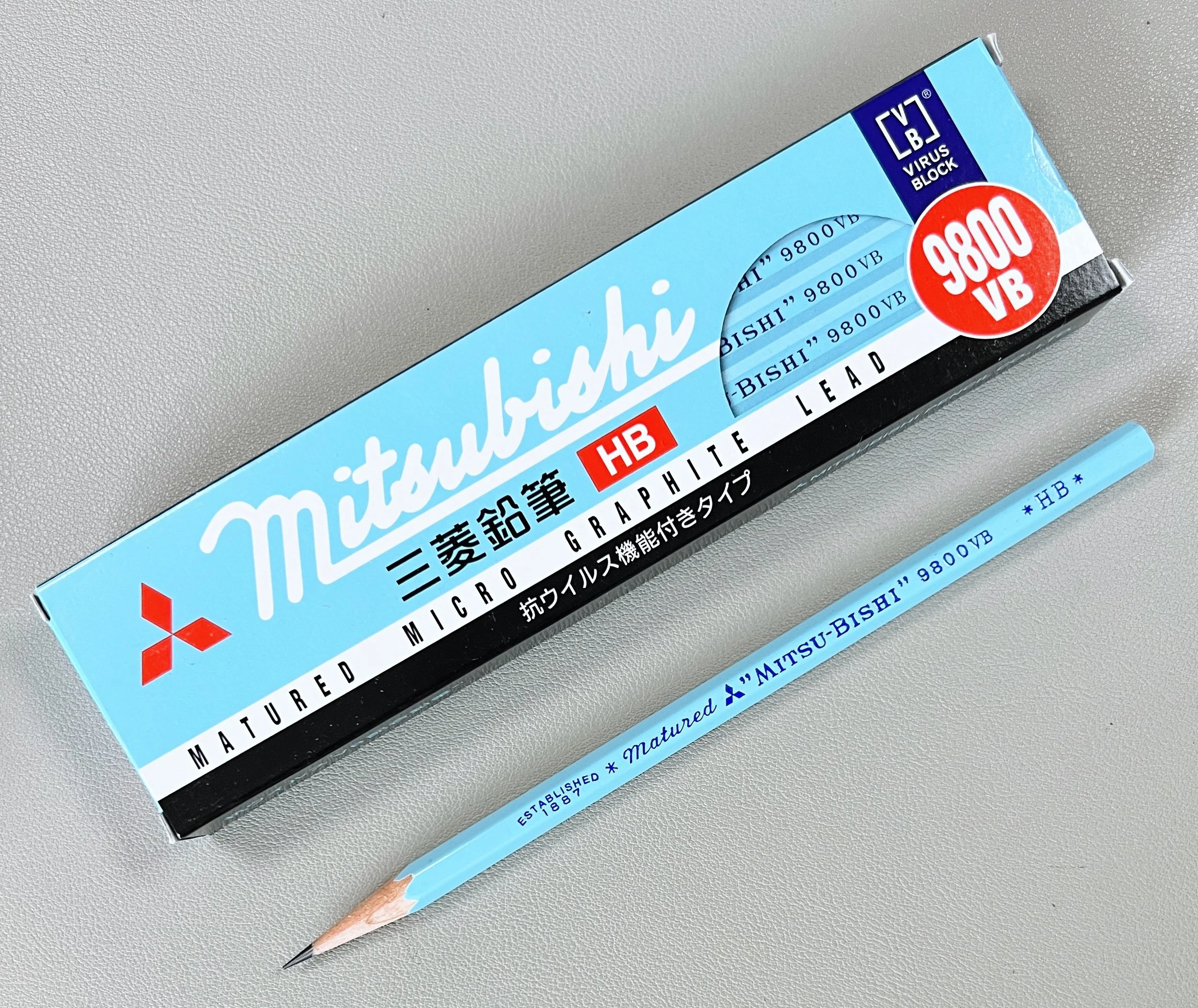
Now, don’t let me lead you on too much in advance, thinking I’m going to tell you that the Mitsubishi 9800VB Pencil is going to break barriers and is the greatest pencil of all time. That’s not going to happen. But what I will tell you is the combination of what’s under the hood (i.e. the graphite core,) combined with a stylish and functional exterior, make for a pencil I want to use frequently-virus blocking or not.

Mitsubishi 9800VB Pencil Review

Three sides of stamping.

Let’s get the marketing specs out of the way up front. The “VB” in the 9800VB product name stands for Virus Block. From Mitsubishi:

“Here's the interesting part: that lovely sky-blue coating isn't just paint. It's made with a new antiviral coating called "Virus Block" (hence the 9800VB model number) that was jointly created by Tokyo Institute of Technology and Keio University.

In lab studies, towels coated with Virus Block had 99% fewer viruses and fungi on their surface after 60 minutes than an untreated towel, and 99.9% fewer after 24 hours. That makes the 9800VB an attractive choice for public settings like schools and offices, which even in non-pandemic times are sites of cold and flu transmission.”

Awesome, right? Also, no one else will be sharing my pencil with me. That said, there are use cases you may have for this product, making them a good option. For me, I want great performance and beautiful design. The Mitsubishi 9800VB gives me both.

Mitsubishi 9800VB Pencil Review

The key to any good pencil is a good core, and in using Uni Mitsubishi’s 9800 core as a base, this one is off to a good start. While it may be their entry level HB graphite, it is a clear upgrade to any basic yellow #2 pencil you will come across. The core is smooth, but has a firmness that provides excellent point retention. It does fall shy of being as good as more premium cores, such as those found in Blackwing pencils, but at a fraction of the price, they are more than worth it.

Mitsubishi 9800VB Pencil Review

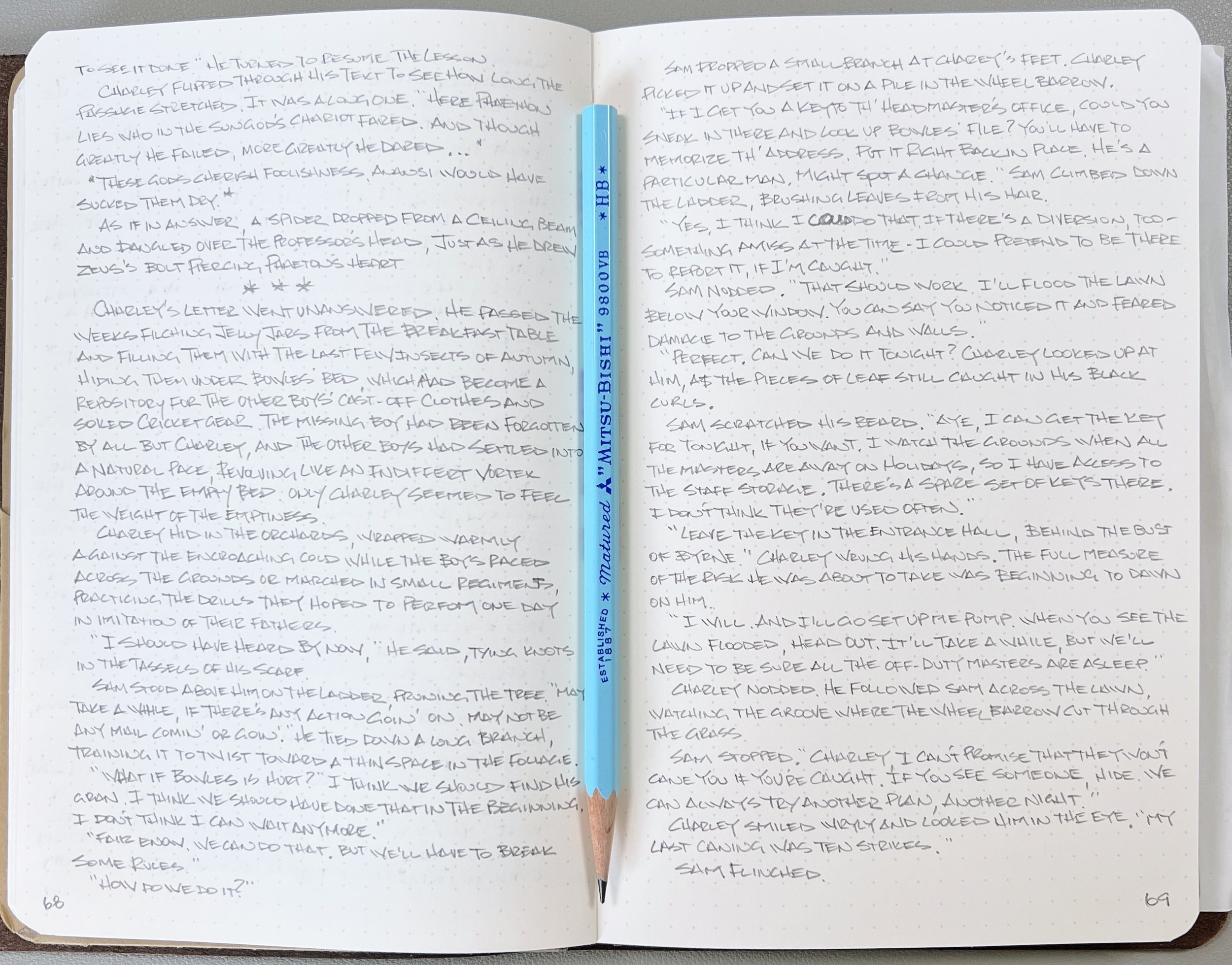
Just over 300 words onto the page. I could easily keep going and be happy with the point retention.

I’ll readily admit that the aesthetic of the 9800VB makes me love this pencil even more. The light blue barrel coating, combined with at the royal blue foil stamping is chef’s kiss goodness. The lack of an eraser never bothers me, and certainly was the correct choice in conjunction with the Virus Block feature of this pencil.

Mitsubishi 9800VB Pencil Review

Write a page. Sharpen. Repeat.

Do you need the Virus Block? If you are like me and will be the only one using this pencil, sitting at my desk, unshared with others, then no. Do you like the aesthetic, and the quality of Japanese pencils overall? For $1 per pencil, then yes. I’m clearly in the latter category. And for those who could use the Virus Block technology in their home or workplace, I think they are absolutely worth trying. I’d maybe even go for a bulk discount if you were looking at buying a gross (144 count) or more for your facility.

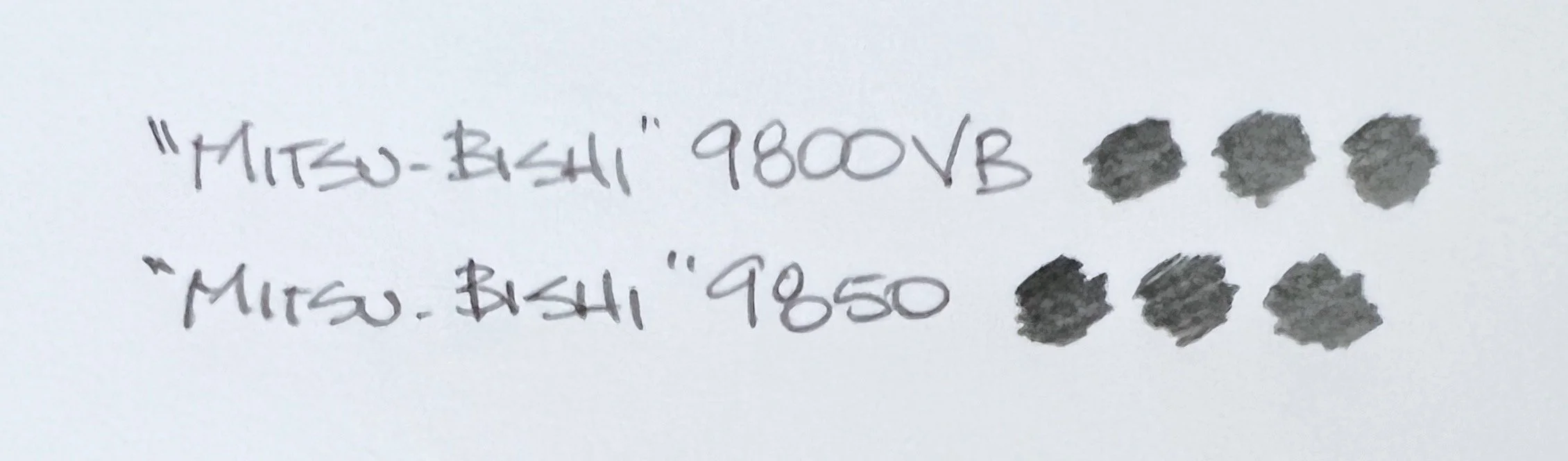
Mitsubishi 9800VB vs 9850

The 9850 is softer and darker.

For a similar pencil, minus the Virus Block, you can grab the original Mitsubishi 9800, or for a softer, darker core (despite also being marked HB,) try the eraser-attached Mitsubishi 9850-both of which are at the same price point as the VB.

(St. Louis Art Supply provided this product at no charge to The Pen Addict for review purposes.)


Enjoy reading The Pen Addict? Then consider becoming a member to receive additional weekly content, giveaways, and discounts in The Pen Addict shop. Plus, you support me and the site directly, for which I am very grateful.

Membership starts at just $5/month, with a discounted annual option available. To find out more about membership click here and join us!

Mitsubishi 9800VB
Posted on July 4, 2022 and filed under Mitsubishi, Pencil Reviews.

Uni Kuru Toga Dive Mechanical Pencil Review

Uni Kuru Toga Dive

My review of the Uni Kuru Toga Dive has been a long time in the making. Why?

  1. I was hoping they would be more widely available by the time I posted this.
  2. After several months, I’m still not sure what to make of it.

Jacob, from Fudefan and the Tokyo Inklings Podcast, surprised me with the Dive earlier this year, as he happened to catch them at the right time during their very tiny launch window. While monitoring the launch online, it appears that several Japanese retailers received their store displays and inventory, put the pencils out for sale on February 16th, then POOF! They were all snapped up, and have yet to be available again.

Uni Kuru Toga Dive

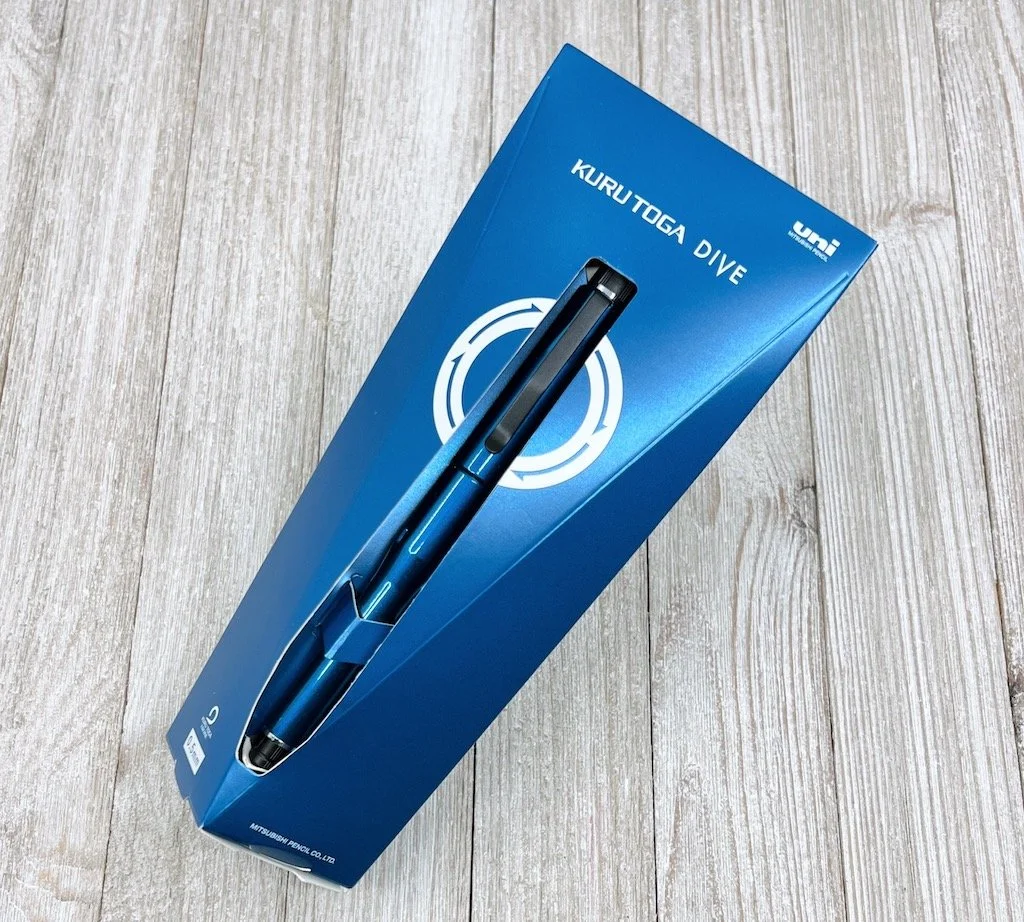
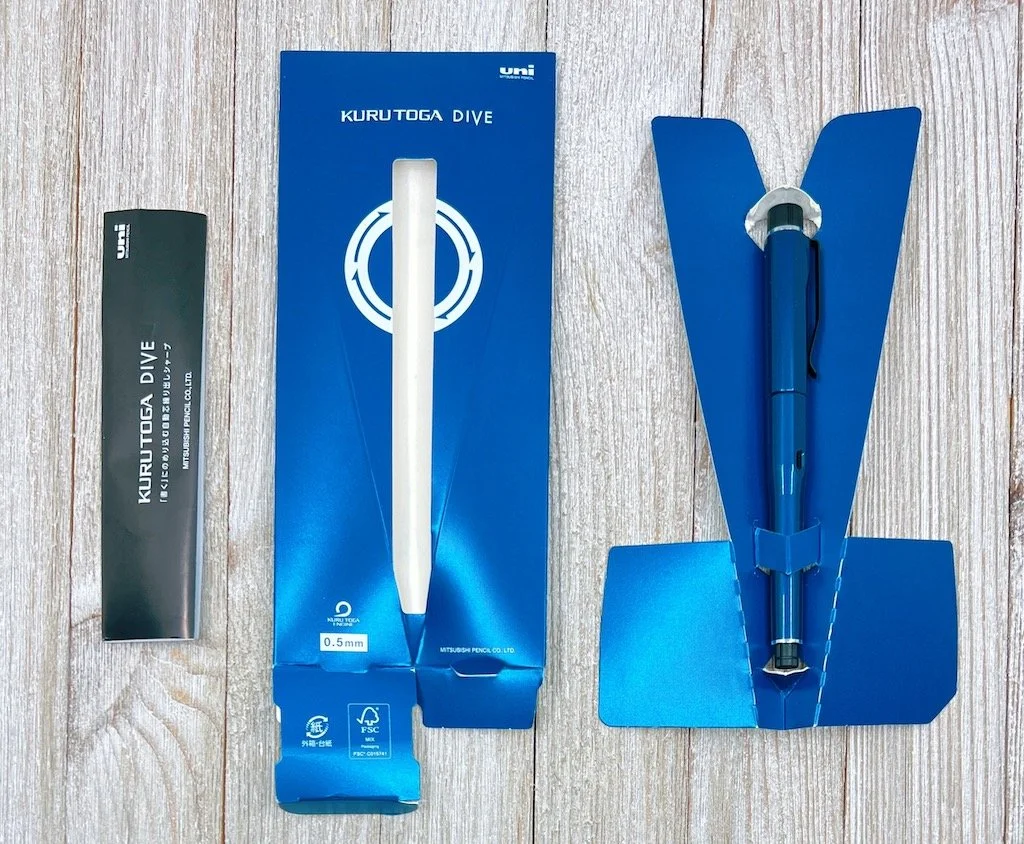
Packaging origami.

What makes the Dive so special that there was a mad rush to buy them, and a continued 4-5x markup of them on the secondary market?

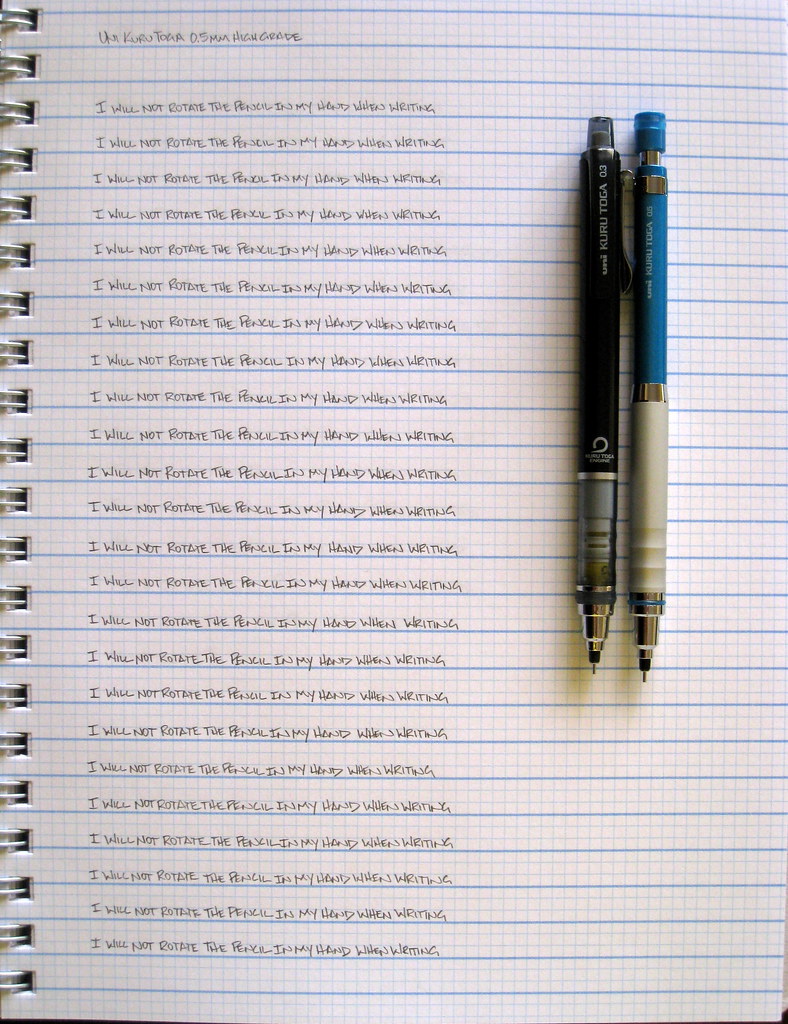
For starters, the Kuru Toga mechanism is one of the few technological advances we have seen in mechanical pencils in decades. Designed to rotate the lead as you write so you always have a sharp, consistent point on the graphite, it offers something no other mechanical pencil manufacturer can. And it works. This is no marketing gimmick, or mindless innovation.

Uni Kuru Toga Dive
Uni Kuru Toga Dive
Uni Kuru Toga Dive

With that under the hood, Uni turned it up to 11 with the rest of the design:

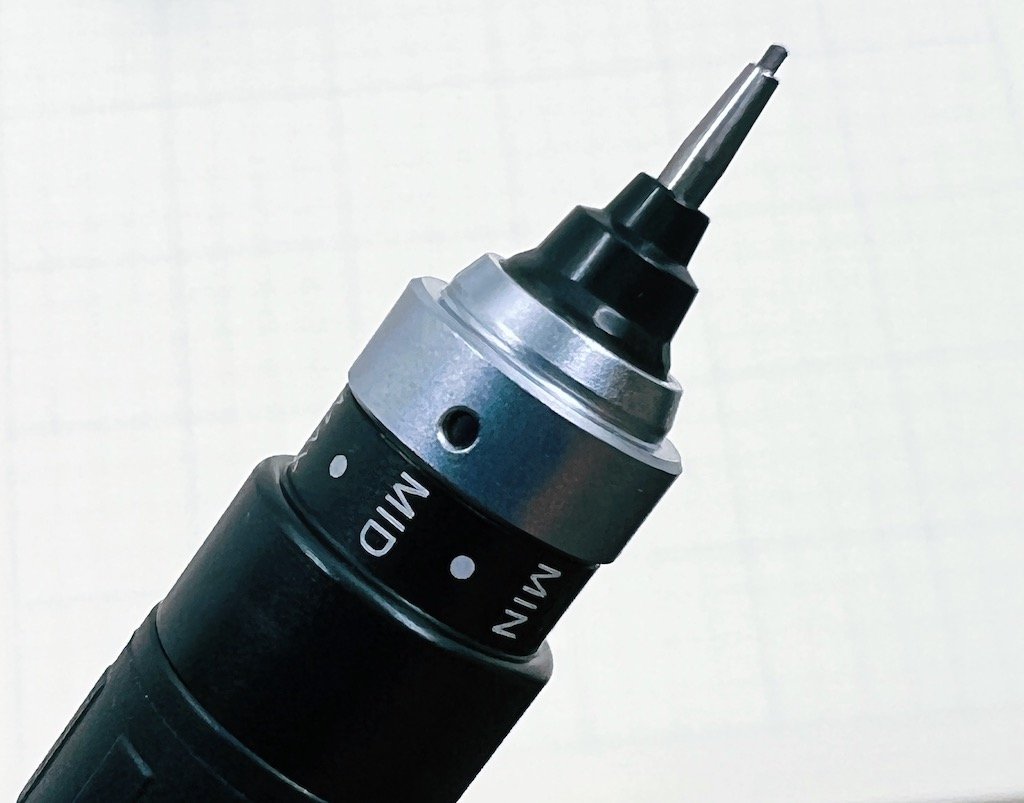
Adjustable length auto-advance lead mechanism? Check.

A cap, with a clip? Check.

A magnetic snap-cap, at that? Check.

No-knock writing when uncapping? Check.

Wait, what did I just say? When you uncap the pencil the graphite is “clicked” forward to your preset writing length based on your auto-advance setting. This means if you have a habit of holding the knock and pressing in the lead when done (to avoid breakage, for example,) when you uncap the pencil the lead resets back to the exposed position. Uncap, and write, no matter the status you left the Dive when previously using.

Uni Kuru Toga Dive
Uni Kuru Toga Dive

It’s difficult to explain, but it is due to how the cap, and cap magnet, are designed. You aren’t forcing a click every time you cap an uncap the pencil either. If you cap the pencil with the graphite exposed, it doesn’t come out any longer than where you left it previously. But, if the lead is retracted when storing (capping) the pencil, the next time you uncap it, the lead is ready to write without having to press the knock. In short, the Kuru Toga Dive can be used as a complete no-knock mechanical pencil.

It's Magic

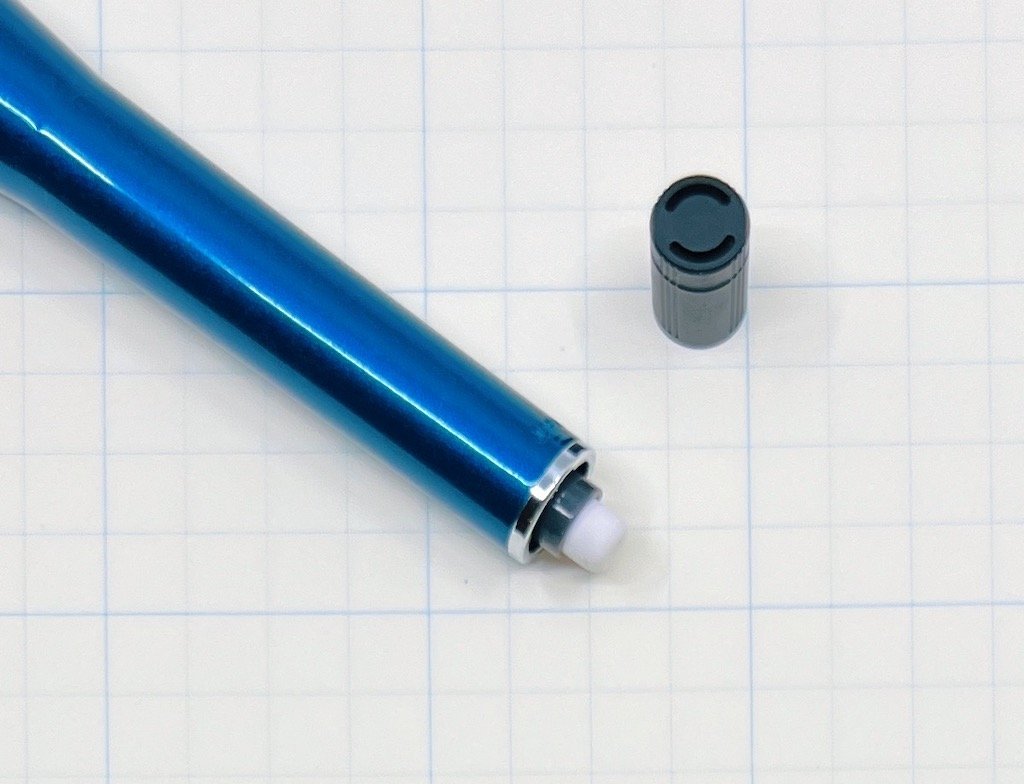
There is a knock on the back of the pencil for you luddites out there, but like how the original Kuru Toga broke us from the habit of rotating the pencil in your hand, the Dive is asking you to never use a knock again.

Uni Kuru Toga Dive

That’s not the only thing the Dive is asking of you. It is also asking you to spend $50 on a plastic-barrel mechanical pencil. While the metallic blue finish on the Dive is beautiful, don’t let that confuse you into thinking there is aluminum underneath the admittedly cool exterior. The list of high-quality mechanical pencils you can buy for a fraction of that price is too long to list here, even Uni’s own upgraded Kuru Toga models.

But I get it. I get the price, and I get the ask. $50 seems right to me with the litany of design elements and engineering in a single package. And-don’t hate me for this-I think an aluminum barrel Dive in the $80-$100 range would be the sweet spot for what Uni has created here.

Uni Kuru Toga Dive

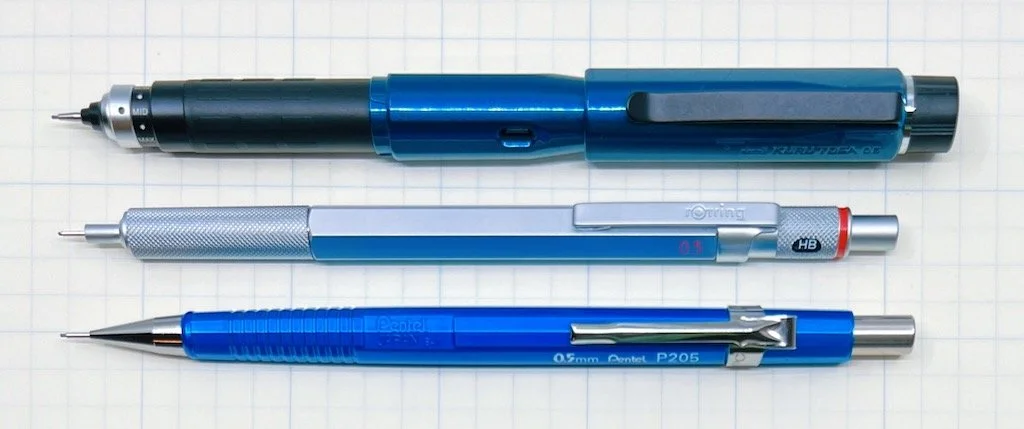
The Uni Kuru Toga Dive compared to the Rotring 600 (middle) and Pentel Sharp. Gargantuan.

One detail I haven’t discussed yet is how the Dive feels when writing. It’s good, but I’ll stop there. My biggest hangup is the grip diameter, where at 10.7 mm is much wider than other standard grip sections like the Rotring 600, which checks in at 8.1 mm. That’s not the only oversized part of the pencil-the entire thing is gigantic. Posting the cap, while designed to fit properly, turns the pencil into a plank. I only use it unposted. Due to its size, the Dive may be better suited for an 0.7 mm default lead size, if not 0.9 mm.

In the end, the Uni Kuru Toga Dive is another step up in mechanical pencil technology. I’m just not sure it is a step forward. There is no arguing that it got off to a hot start, in part due to great marketing by Uni, plus the scarcity effect. But is it sustainable? That’s the bigger question I have. I like it. It makes me smile. It’s also $50, and asks me to hold a baton while writing with a needle. I’m glad I have one, but I’ll pick up a more classically designed mechanical pencil-even another Kuru Toga-if I plan on doing real work with graphite in hand.

Posted on June 6, 2022 and filed under Uni, Kuru Toga, Mechanical Pencil, Pencil Reviews.