Pilot Iroshizuku Chiku-rin Ink Review

(Jeff Abbott is a regular contributor at The Pen Addict. You can find more from Jeff online at Draft Evolution and Twitter.)

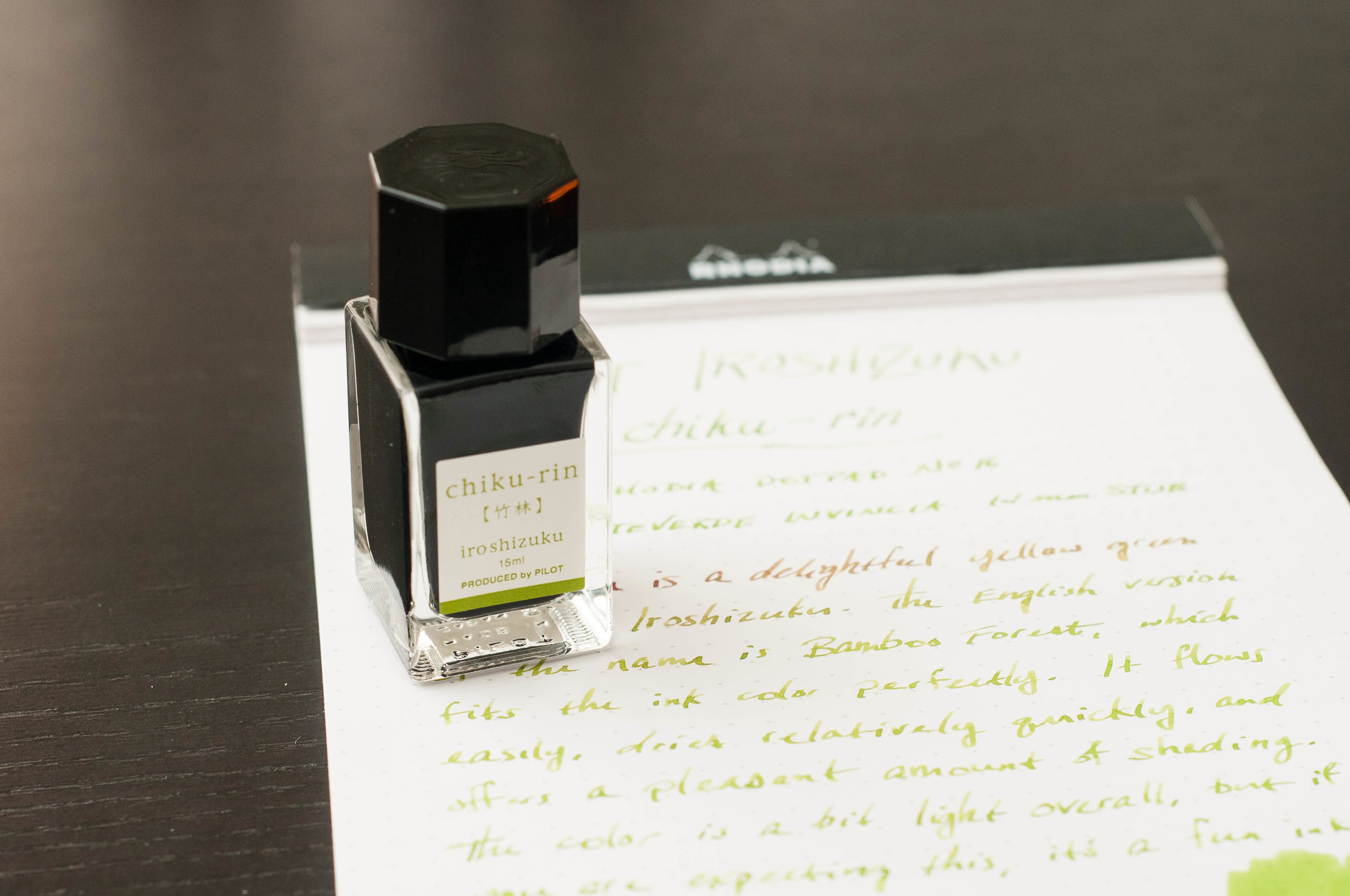
Spring is still a couple months away (at least), but that doesn't mean your ink has to be cold and gloomy. Iroshizuku chiku-rin is a cheery yellow-green ink that comes alive on paper. It's not an orthodox ink color to be sure, but it's delightful to say the least. No matter what's going on, this ink cheers me up.

The English version of chiku-rin is "bamboo forest," which fits this color perfectly. With a wetter nib, you get more saturation of the green, but in most of my pens, this lays down as a light green with yellow accents. If the nib is dry, however, it might be difficult to read your writing later on as the light yellow color doesn't contrast well to white paper. It's also probably safe to say that this ink isn't office friendly. Overall, it's a beautiful color that I love using.

The shading of chiku-rin is great. It's not as dramatic as some inks, but it provides a good range of color depth in most pens. Obviously, the larger the nib, the more variation, but this ink also shades well in smaller nibs due to the light color. I've also used this ink in a Pilot medium nib, and the shading behavior is just as great as with this 1.1mm stub in the review pictures.

I was shocked when I measured the dry time of this ink and found that it is consistently dry after about 8-10 seconds. This is something to consider if fast dry time is important to you. In the world of fountain pen inks, that's a rare dry time. Obviously, this will depend on the nib you're using and the size of the strokes, but for most non-specialty nibs that are medium or smaller, you can count on a quick dry time.

Like every Iroshizuku ink I've used, this ink flows well, has no issues starting, and is generally really well-behaved. It's easy to clean, lubricates the nib nicely, and performs consistently in a variety of nibs. Bleeding hasn't been an issue, but it would be difficult for me to see if there were small amounts due to the light color.

The ink shade is so light that show-through also isn't an issue. In standard Field Notes paper, there will be a fair amount of show-through, but in other fountain pen friendly papers, this won't be an issue. The only time I can see the ink on the opposite side of the page is if the paper is lit from behind.

I'm consistently pleased with every Iroshizuku ink I try, and chiku-rin is no different. With this ink line, you can expect great behavior and ink characteristics. The only real concern you have as a buyer is picking the colors you like. I'm not well-versed in the light green and yellow-green spectrum, but I really do enjoy using this ink fairly often. It goes great with cold, wet, wintery days, but it also looks great on a warm summer day. It's a happy color, and that's probably my favorite thing about it.

Chiku-rin is available in a standard 50ml bottle as well as a smaller 15ml bottle.

(JetPens provided this product at no charge to The Pen Addict for review purposes.)


Enjoy reading The Pen Addict? Then consider becoming a member to receive additional weekly content, giveaways, and discounts in The Pen Addict shop. Plus, you support me and the site directly, which I am very grateful for.

Membership starts at just $5/month, with a discounted annual option available. To find out more about membership click here and join us!

Posted on February 15, 2017 and filed under Pilot, Iroshizuku, Ink Reviews.

Introducing The First Baron Fig Limited Edition Squire (Sponsor)

I don’t know about you, but I have been anxiously awaiting this announcement, and it is finally here! Introducing The Alphabet, the first Baron Fig Limited Edition Squire.

This jet black Squire features the entire English alphabet laser etched down the side of the pen. Alone, the letters aren’t much to write home about, but together they grant the power to express your greatest ideas. In these times, the written word is more important than ever, and The Alphabet provides the building blocks to inspire.

The Alphabet ships with the wonderfully smooth Baron Fig branded Schmidt P8126 ink cartridge in black, and in its own new limited edition packaging.

You can purchase The Alphabet for $60, or get in early on the Squire Annual Subscription and receive a new limited edition every quarter. And, you can save $10 per pen as well!

My thanks to Baron Fig for sponsoring The Pen Addict this week.

Posted on February 14, 2017 and filed under Featured Sponsor.

Camel HB Pencil Review

I don’t know why this didn’t hit me before now, but I realized why I have been so taken with wooden pencils: They allow me to write tiny.

That has always been my thing, even since I was a little kid. I always wanted the finest tipped pens and pencils I could find. On the graphite side of the ledger, that meant an 0.5 mm mechanical pencil. I rarely used wooden pencils because they dulled so quickly and sharpeners were generally terrible.

While there were opportunities in the 70’s and 80’s to hunt down wooden pencils and sharpeners that would work for me, they were few and far between. And weren’t a focus honestly. Pentel mechanical pencils were the way to go.

But as the internet tends to do, it opened my eyes. Just how my fascination and exploration of micro-tip gel ink pens came about with this blog, some amazing pencil blogs and fans were spreading the word of the woodcase. I’m glad my ears were clear and my mind was open, because I have found some wonderful writing instruments thanks to these lead-heads.

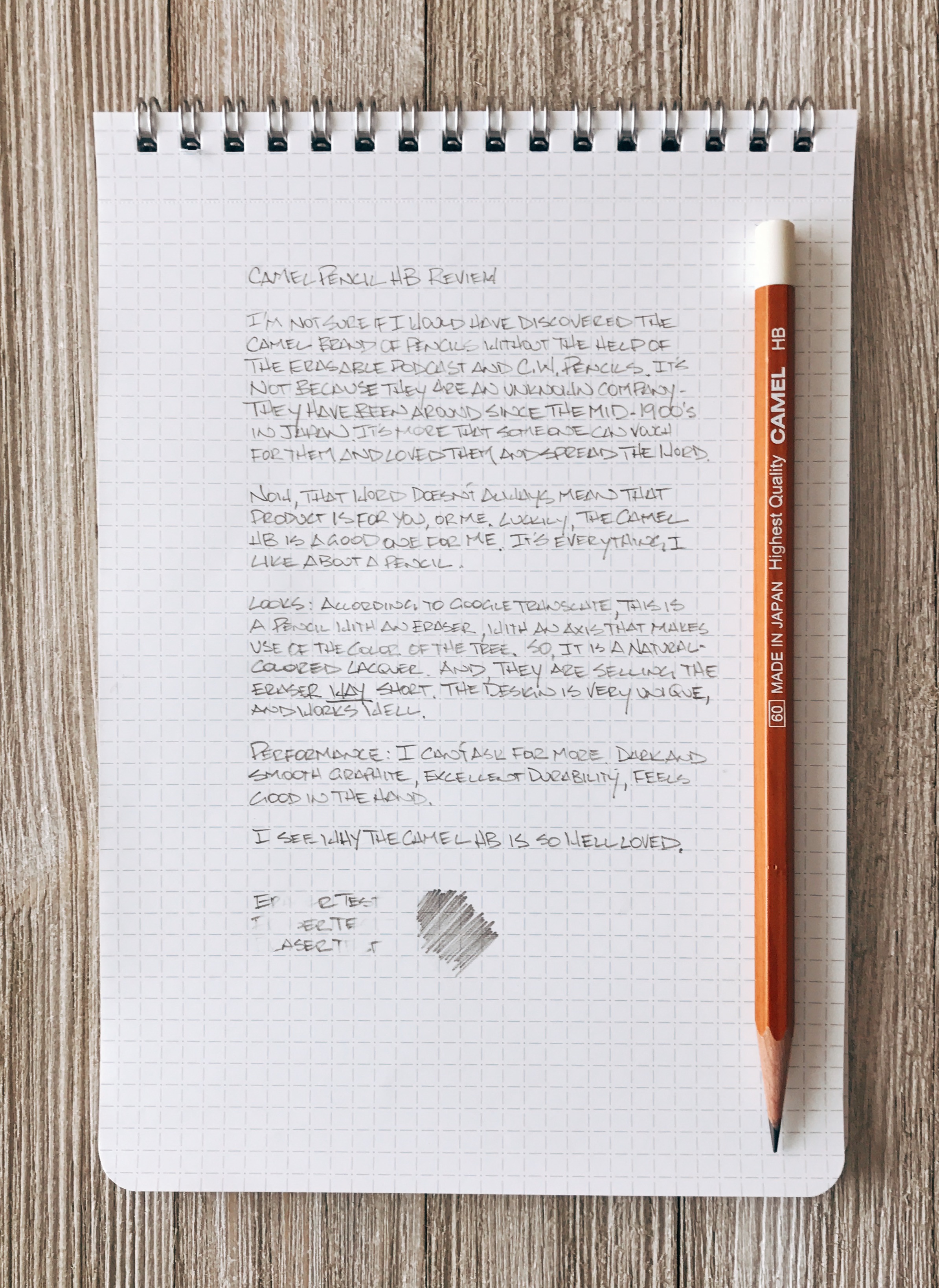
So, what does this have to do with the Camel HB? I would have never known about this pencil or the company behind it without this wonderful online stationery community we are all a part of. Is it the best pencil I own? No. Is it an excellent pencil? Yes. But to me, the Camel HB represents discovery, learning, and the process of finding the best tools for me.

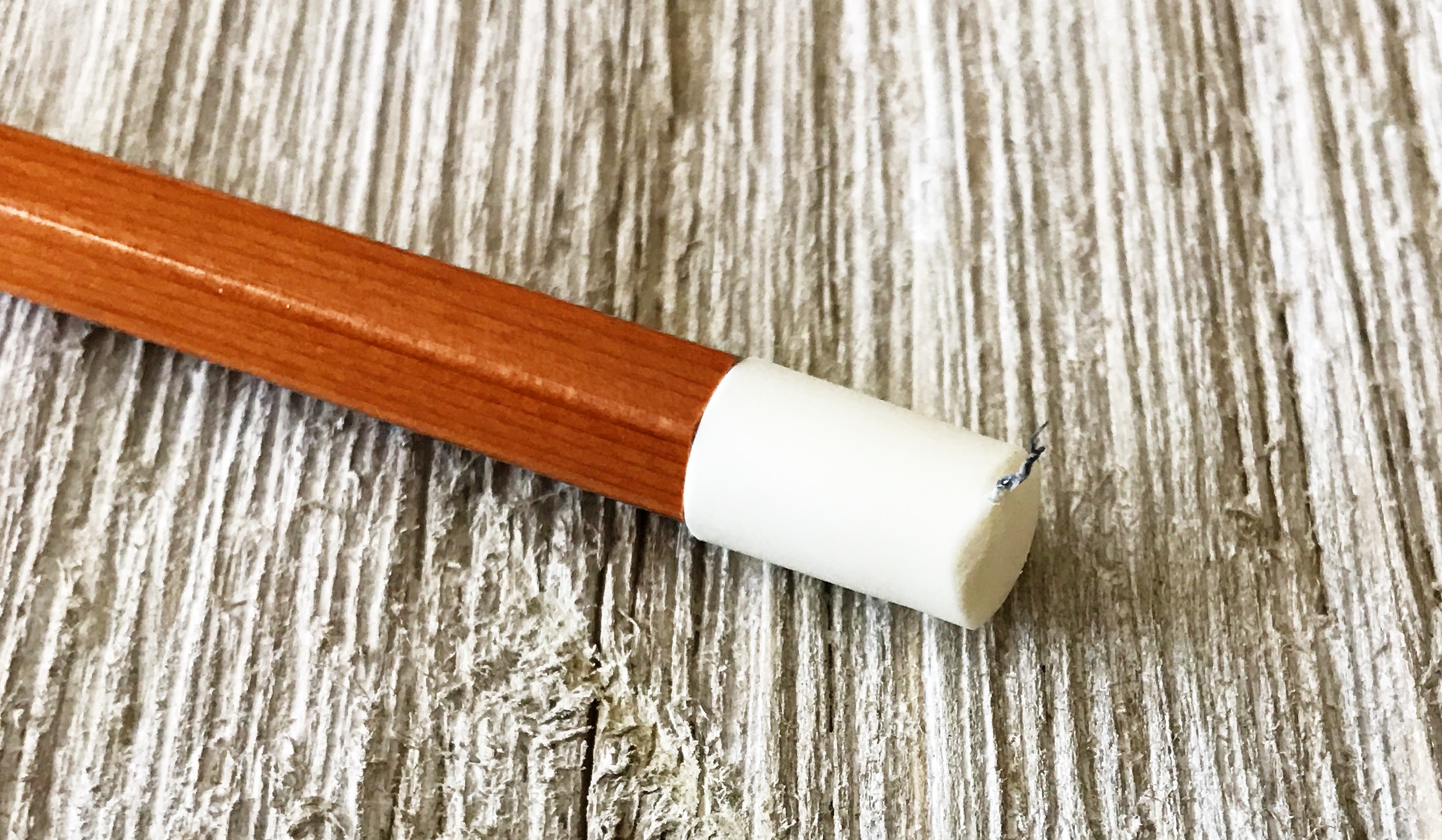
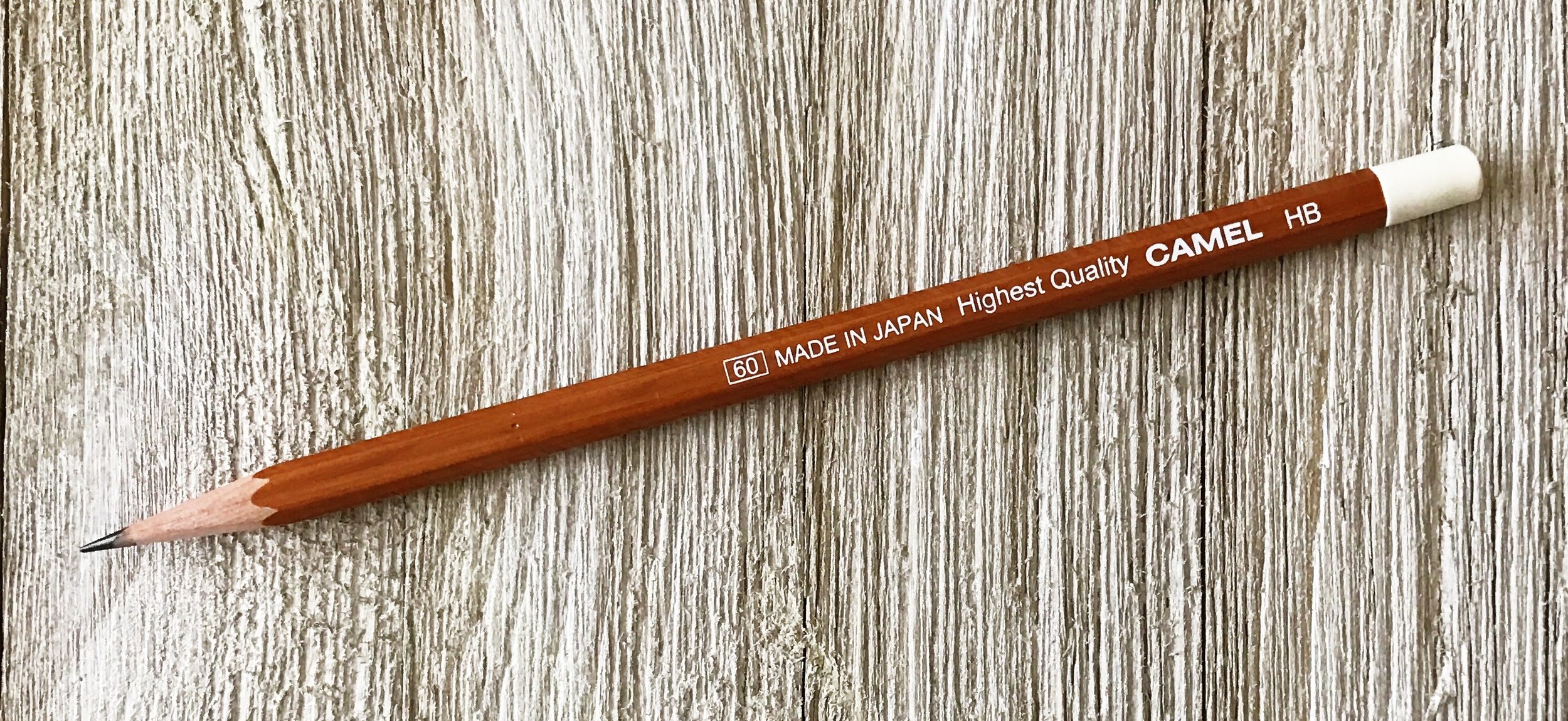
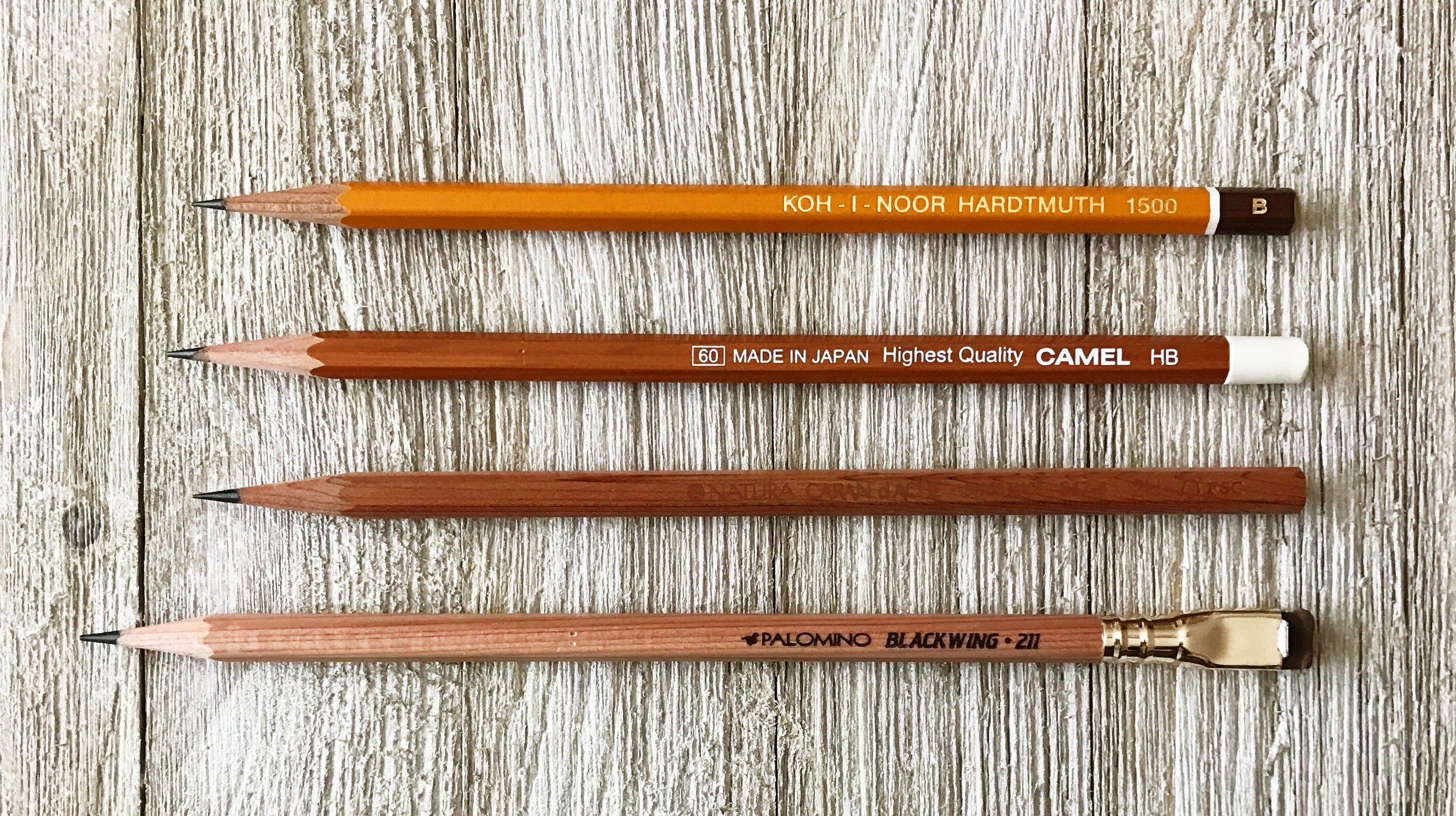
In my eyes, the Camel HB is a beauty. I like natural looking pencils to begin with, and while this one isn’t raw, the deep caramel lacquer is translucent enough to see the wood grain. And the eraser, well, that’s what made me buy this pencil. I assumed it wouldn’t work or was a gimmick. I assumed incorrectly.

In the pantheon of things that just work, this eraser just works. It erases cleanly with minimal mess, and its attachment to the pencil is rock solid. I keep thinking the other shoe is going to drop, but it never does.

The graphite core of the pencil is very smooth and retains its point well. This goes back to my intro. The longer I can write tiny with a pencil before sharpening, the more I like it. And, the darker the better, which is usually the challenge. And when it dulls, I have several long point sharpeners I can use to top it off, which is a post for another day.

There is something about using wooden pencils. I don’t have to tell most of you that. But for the uninitiated, the choices are as wide and varied as with most pens and inks, and the process of finding the perfect one for you is just as fun.


Enjoy reading The Pen Addict? Then consider becoming a member to receive additional weekly content, giveaways, and discounts in The Pen Addict shop. Plus, you support me and the site directly, which I am very grateful for.

Membership starts at just $5/month, with a discounted annual option available. To find out more about membership click here and join us!
Posted on February 13, 2017 and filed under Camel, Pencil Reviews.