Thank You Los Angeles!

My first pen show of 2018 is in the books, and it was a blast. It's hard not to have fun around so many great people. I'm travelling home today, so look for the site to return to it's normal schedule tomorrow, and a full recap of the show on Wednesday's podcast.

Thank you to everyone who stopped by and said hi!

Posted on February 19, 2018 and filed under Pen Shows.

A Comparison of Three Modern Flex Nibs

(Susan M. Pigott is a fountain pen collector, pen and paperholic, photographer, and professor. You can find more from Susan on her blog Scribalishess.)

I am on a Holy Grail search for the best modern flex nib. I realize I am doomed to fail, as modern nibs just can’t match vintage ones, but, like Don Quixote, I like to dream impossible dreams.

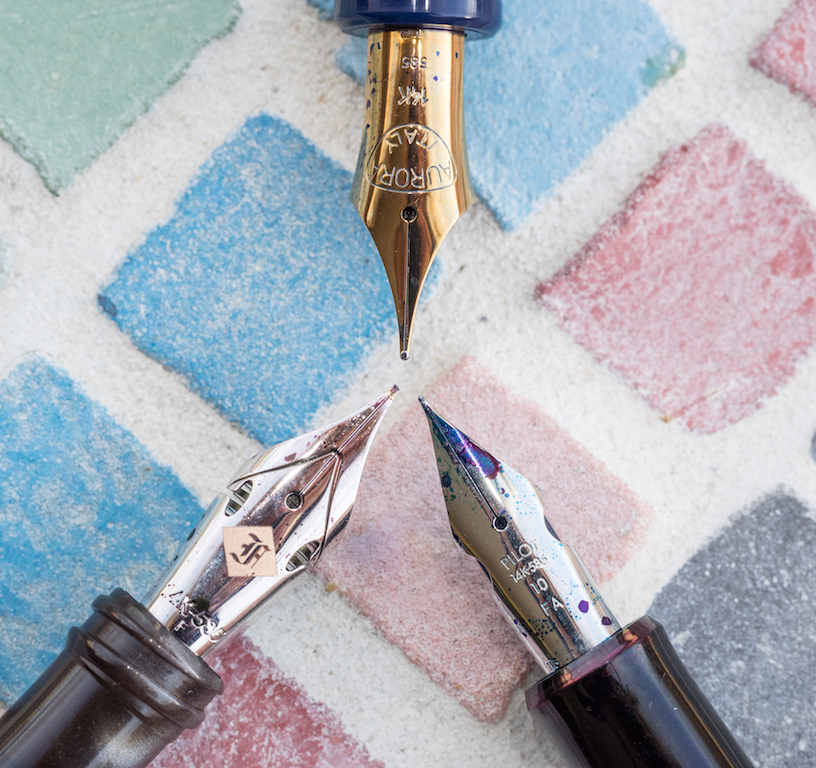
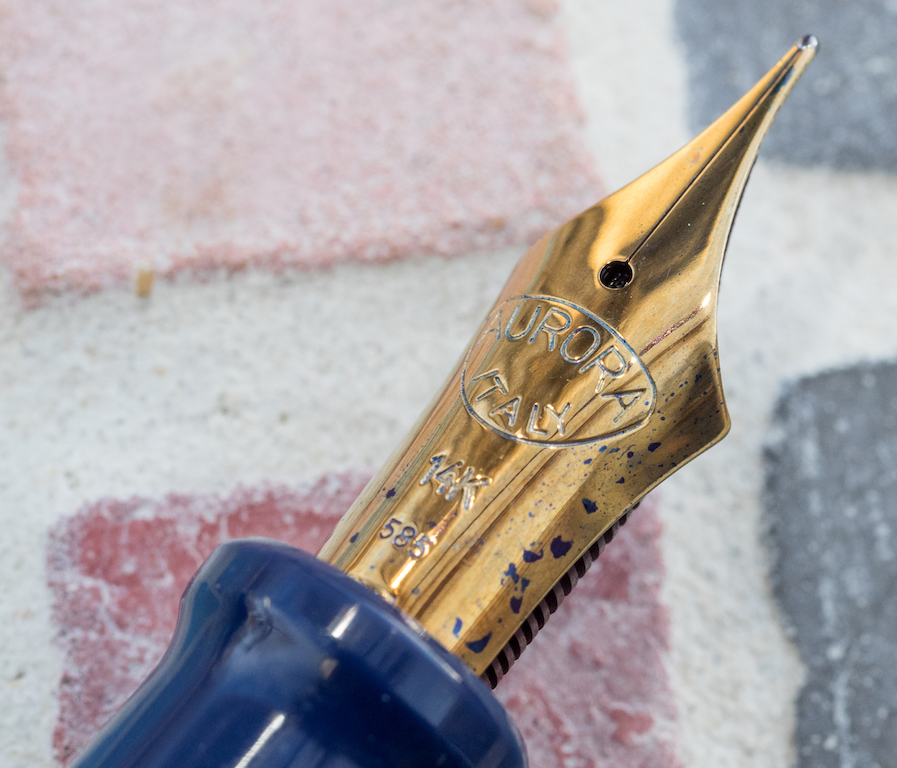
I did a review of the Aurora 88 Anniversario with flex nib back in March 2017. If you remember that review, I wasn’t much impressed. But, because I am a nutcase, I became obsessed with owning the blue Aurora 88 Anniversario in spite of the fact that I wasn’t impressed with its flex. I believe I bought the last blue Aurora 88 flex on earth. Isn’t it gorgeous?

I purchased a Pilot 912 with FA nib a long while ago and reviewed it here. It’s a great pen, and I love the FA nib.

And, recently, I purchased a Franklin-Christoph 14k SIG flex nib. I put it in my Iterum 03 reviewed here.

Since I own three modern flex nibs, I thought it would be fun to compare them. I realize that various factors make this review less than scientific. First, I used different inks in each pen, and ink can affect line width due to variances in viscosity and saturation. But, I used different inks mainly so I could more easily distinguish the pens. Second, although I tried to use the same pressure with each pen, there’s no way to guarantee exactitude with the human hand. The Aurora, in particular, required quite a bit more pressure to get some flex. Third, the three nibs are quite distinct though all are made of gold. The Aurora nib relies on the flexibility of long tines to create line variation. The FA nib and the Franklin-Christoph nib both use cutouts to increase line variation.

I compared the nibs with various writing tests. First, I did swirls.

Pilot

Franklin-Chistoph

Aurora

In this test, the Pilot 912 with FA nib definitely showed more line variation. The Franklin-Christoph SIG flex nib came in second with good line variation, and the Aurora was last with the least line variation. Plus, the feed didn’t keep up with the flex resulting in railroading.

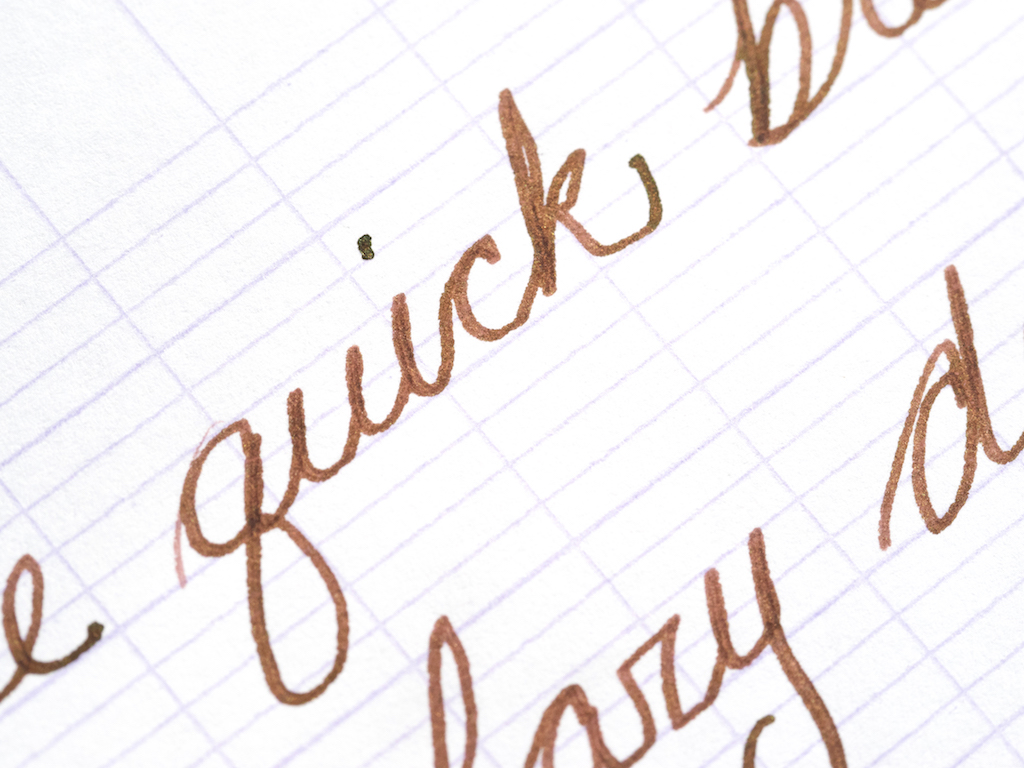
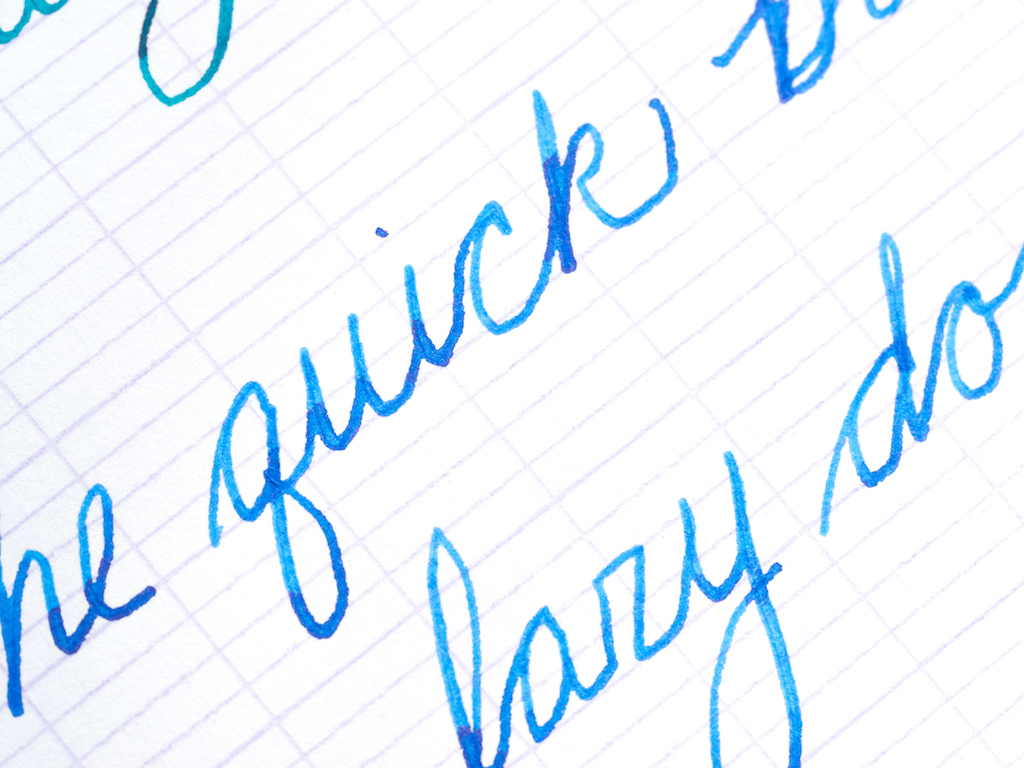
My second test was writing the “Quick Brown Fox” line. Here, the differences between the nibs isn’t as obvious. The Pilot still wins first place for line variation, but the Franklin-Christoph and Aurora are very similar

Pilot

Franklin-Christoph

Aurora

In the third test, I simply drew vertical lines while flexing the nib. Once again, the Pilot provides the most flex, measuring a little over 1mm, but the Franklin-Christoph and Aurora were pretty similar, both just under 1mm.

Pilot

Franklin-Christoph

Aurora

After comparing these three modern flex nibs, I have to give first prize for line variation to the Pilot 912 with FA nib. This nib simply flexes more easily and with more line variation than the other two nibs.

The Franklin-Christoph SIG Flex Nib gets second place. Not only is this nib a pleasure to write with, it offers good line variation and the nib can be used in any Franklin-Christoph pen that accepts a size #6 nib. Unfortunately, when I use my FC SIG flex nib for regular writing (such as when I’m taking notes in class), it has a tendency to dry up and require a little tongue lick (I know, gross) to get the ink flowing again. Still, I love the bounce that the cut outs give, and the pen itself is light and easy to write with.

In third place is my very expensive Aurora 88 Anniversario. I just cannot get this nib to flex without putting lots of pressure on it. That said, it is my favorite pen of the three, mainly because it is a piston filler and it’s blue. What can I say? I love blue pens and Aurora nibs are incredibly well made. True, the Aurora struggles as a flex nib. Of the three, it was the only one that railroaded. But, as an every-day writer, the Aurora is excellent.

After comparing these three modern flex nibs, my conclusion is that the Pilot FA nib is the best nib for creating line variation using flex. If you want a more interesting pen design, then I suggest you go with any Franklin-Christoph model that accepts their #6 SIG flex nib. I still cannot recommend Aurora’s flex nib if you want excellent line variation. It simply requires too much pressure and the feed does not adequately supply ink when you use flex (thus, the railroading).

That said, Aurora is offering flex nibs in their newest Optima models. If you really want an Aurora flex nib, I encourage you to purchase one from Dan Smith. He can tweak the feed and nib for better flex and ink flow.

You can purchase the Pilot Custom Heritage 912 from Vanness Pens for $225.00. Although most (if not all) of the Aurora 88s with flex nibs are sold out, Optimas will be available in March (retail $650), and I suggest you contact Dan Smith to pre-order one of these. Franklin-Christoph offers numerous pen styles that accept the #6 SIG flex nib. Prices vary between models.

**Author’s note: My comparison omits one other modern flex pen: the Wahl-Eversharp Decoband (reviewed here). In terms of flex, this pen surpasses all three of the pens I reviewed above. However, two factors made me decide not to include it in this comparison. First, it truly is an oversized pen, much larger (and heavier) than the three pens discussed above. Second, it is a great deal more expensive (retail $850) than the other pens, especially the Franklin Christoph and the Pilot 912. Please read my review if you think an oversized pen would suit you best.
Posted on February 16, 2018 and filed under Aurora, Franklin-Christoph, Pilot, Fountain Pens.

Zebra Funwari Fude Color Brush Pen Review

(Sarah Read is an author, editor, yarn artist, and pen/paper/ink addict. You can find more about her at her website and on Twitter.)

Brush pens are so fun, but so tricky. I learned a lot listening to Ana on the recent Pen Addict Podcast (episode 292). These Zebra Funwari Fude brush pens have the firm, reinforced felt tips she mentioned that are ideal for beginners.

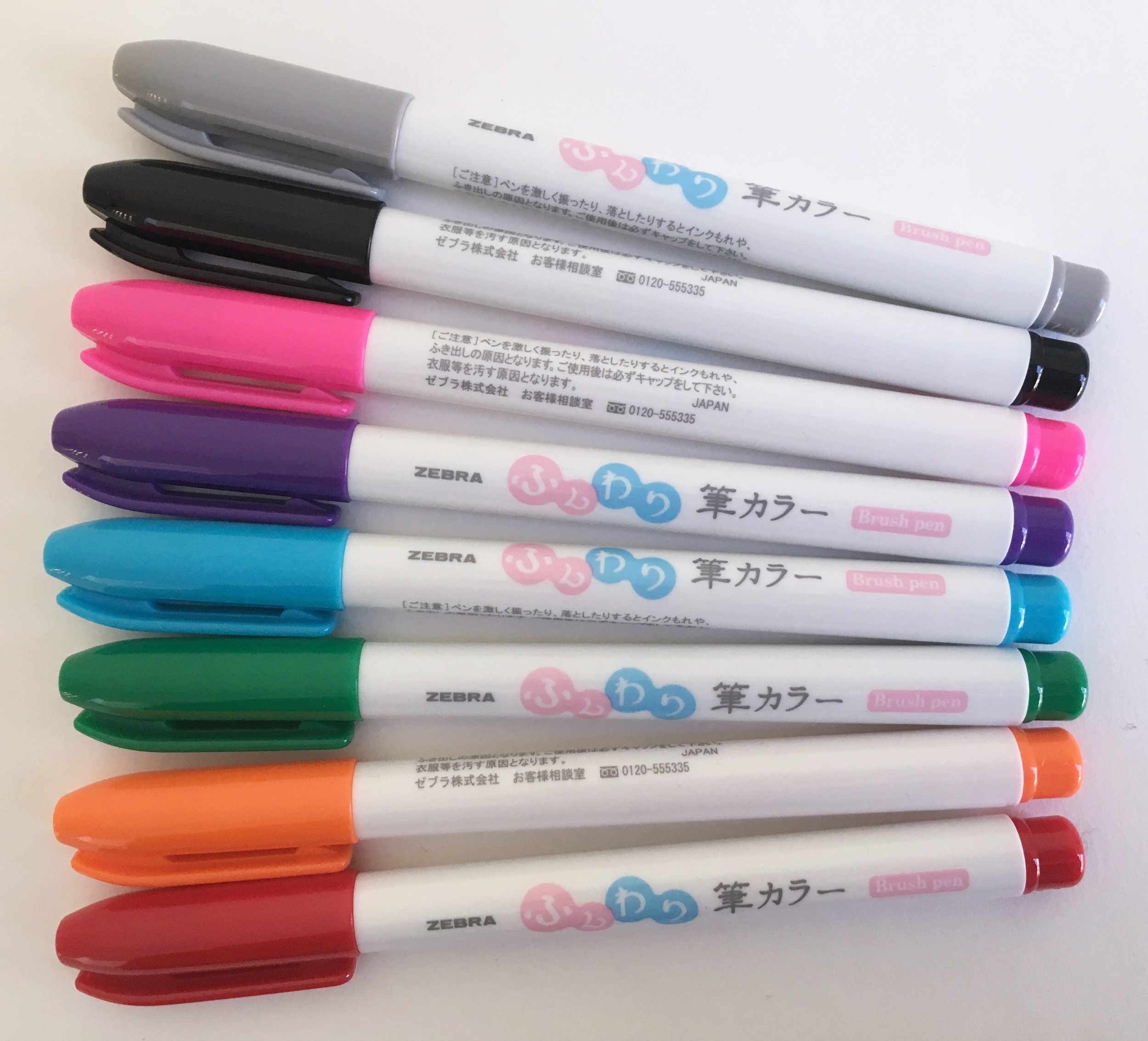
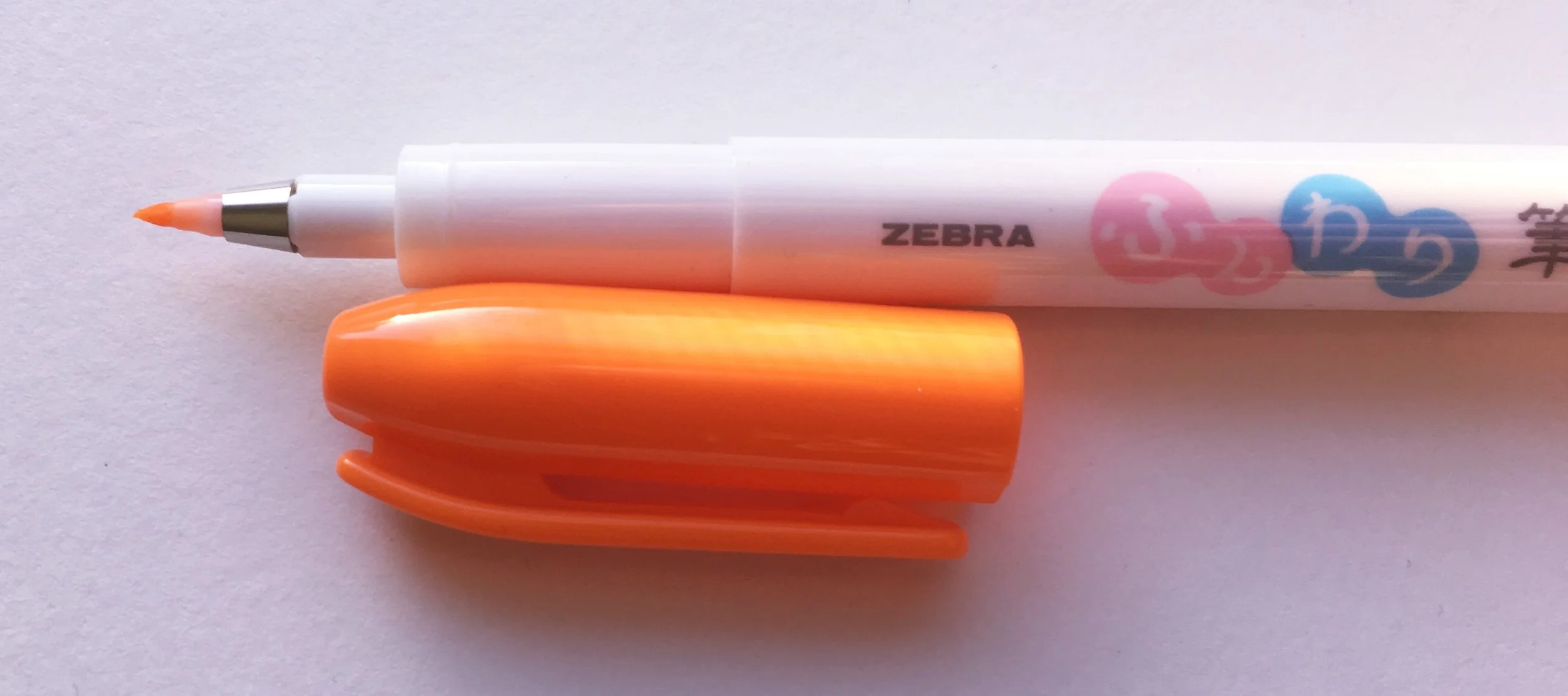
The pens have a white plastic body with a snap cap that matches the color of the ink (sort of). The cap does post, but not very deeply. Overall, it's a plain design. The real feature on these is the brush point.

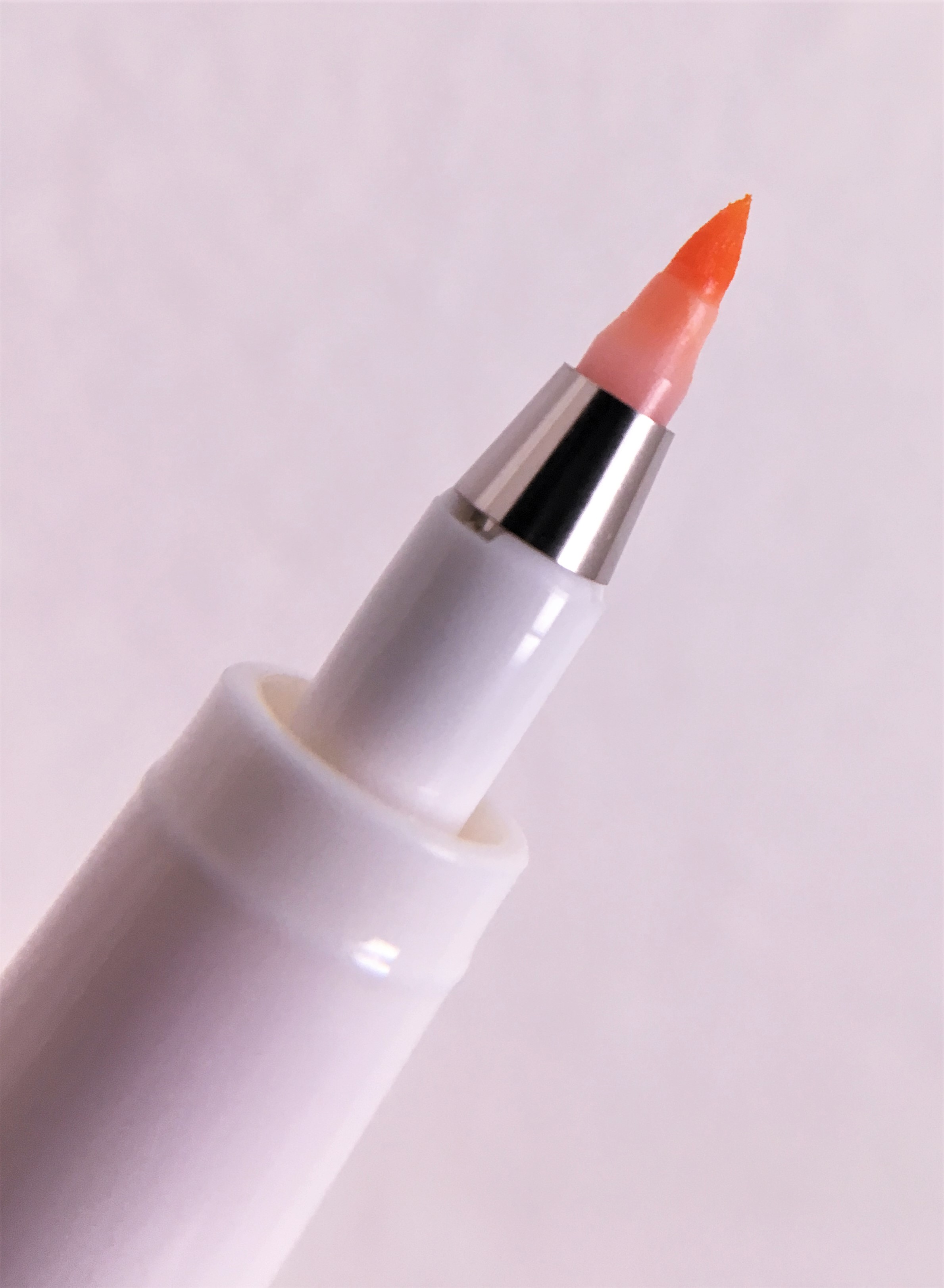
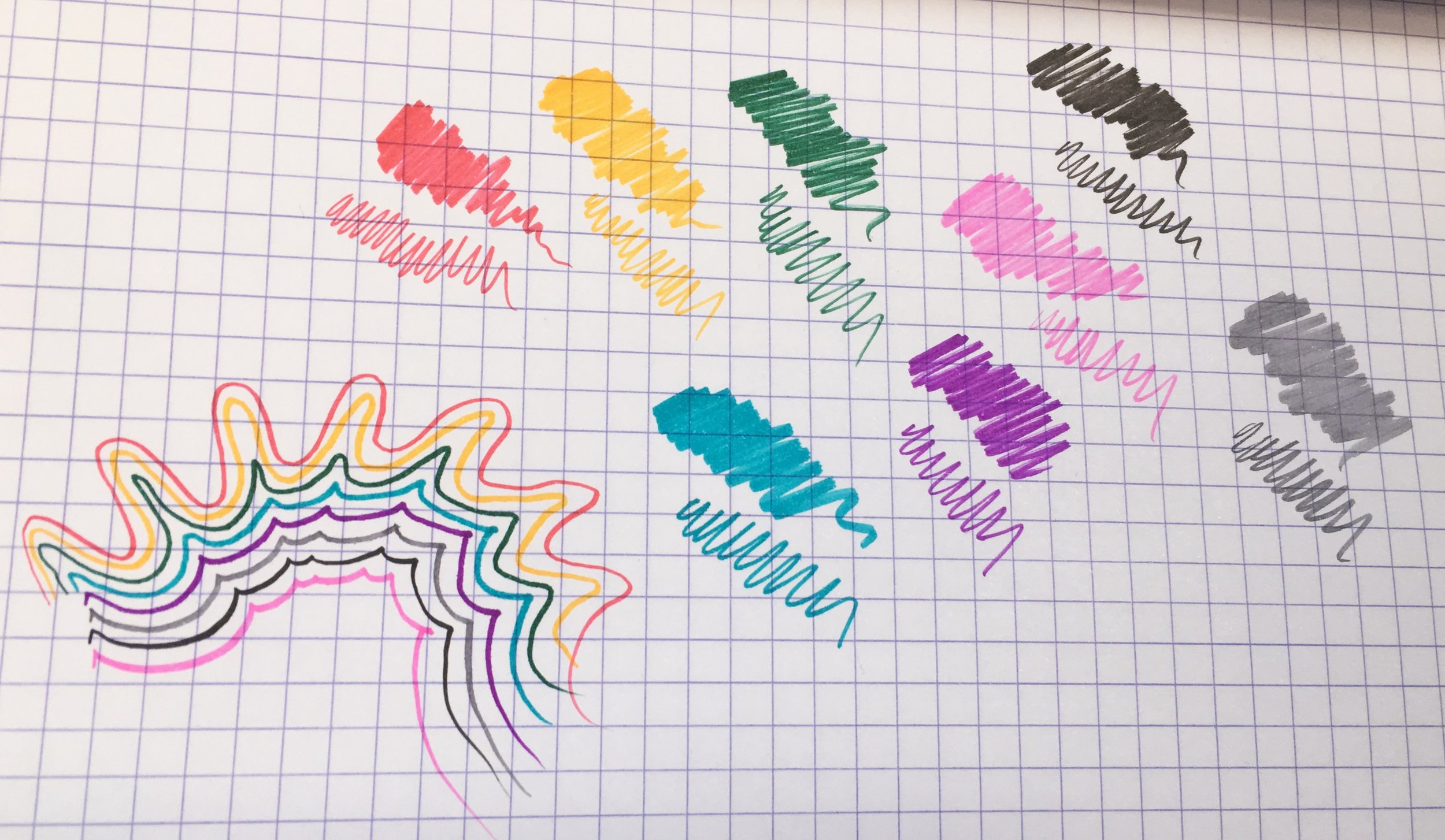
The tips are felt, but reinforced with some plastic so they aren't as flexible as some. That helps a lot with line control and learning how and when to add pressure to get your desired line width. At first, they didn't seem to flex much at all, but they did break in after some use. They were still firm enough that the tip could be used to write with to get a finer line. Gentle pressure adds some width to the line, and then using the sides of the tip adds even more variation.

All the ink colors are water-based, but the black has some extra water-resitance so that it can be used for sketching and outlining. The pens would be great for drawing or calligraphy, though I did get a little feathering where I put down more pressure.

This set includes eight colors--black, grey, red, golden yellow, green, blue, purple, and pink. It's the full color range of the model, which has a lot of gaps, unfortunately. There isn't an orange! That shouldn't be allowed.

At $22, I do think they're a bit pricey. The overall feel and use is more school supply/beginner tool, rather than an artist's pen, but they're priced higher than some much fancier models. If you're wanting to get more into brush pen techniques,though, and struggling with the full-flex brushes, these are a great way to ease into the hobby.

(JetPens provided this product at no charge to The Pen Addict for review purposes.)


Enjoy reading The Pen Addict? Then consider becoming a member to receive additional weekly content, giveaways, and discounts in The Pen Addict shop. Plus, you support me and the site directly, for which I am very grateful.

Membership starts at just $5/month, with a discounted annual option available. To find out more about membership click here and join us!

Posted on February 15, 2018 and filed under Zebra, Brush Pen, Pen Reviews.