Platinum 3776 Century in Carnelian: A Review

(Susan M. Pigott is a fountain pen collector, pen and paperholic, photographer, and professor. You can find more from Susan on her blog Scribalishess.)

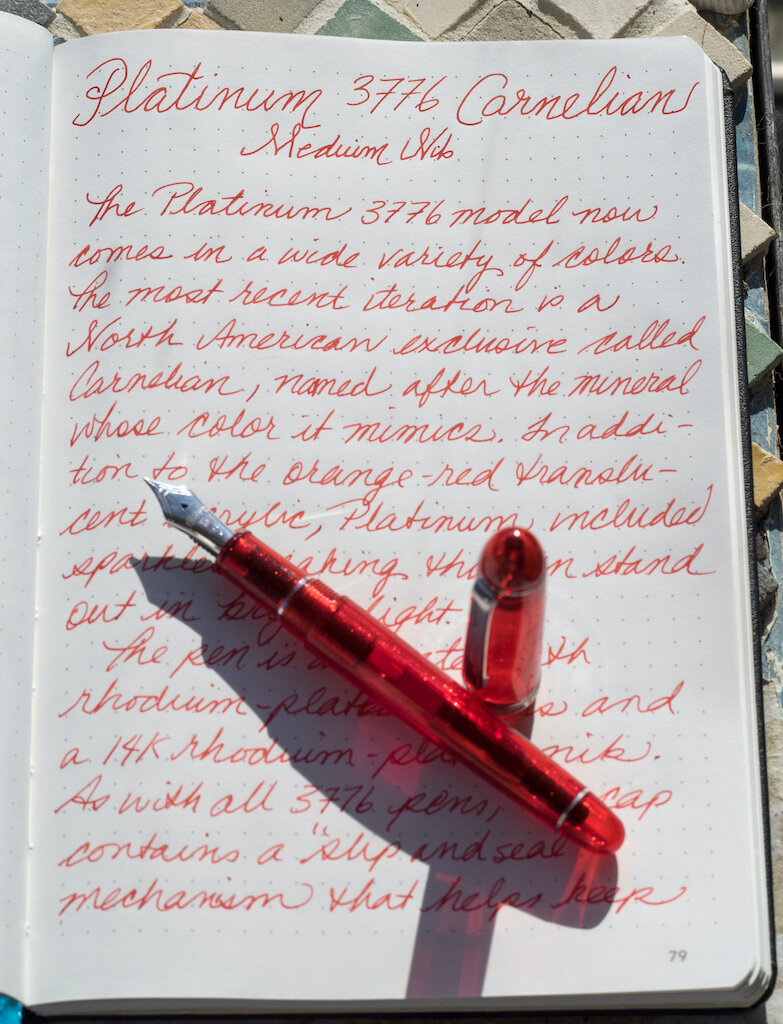
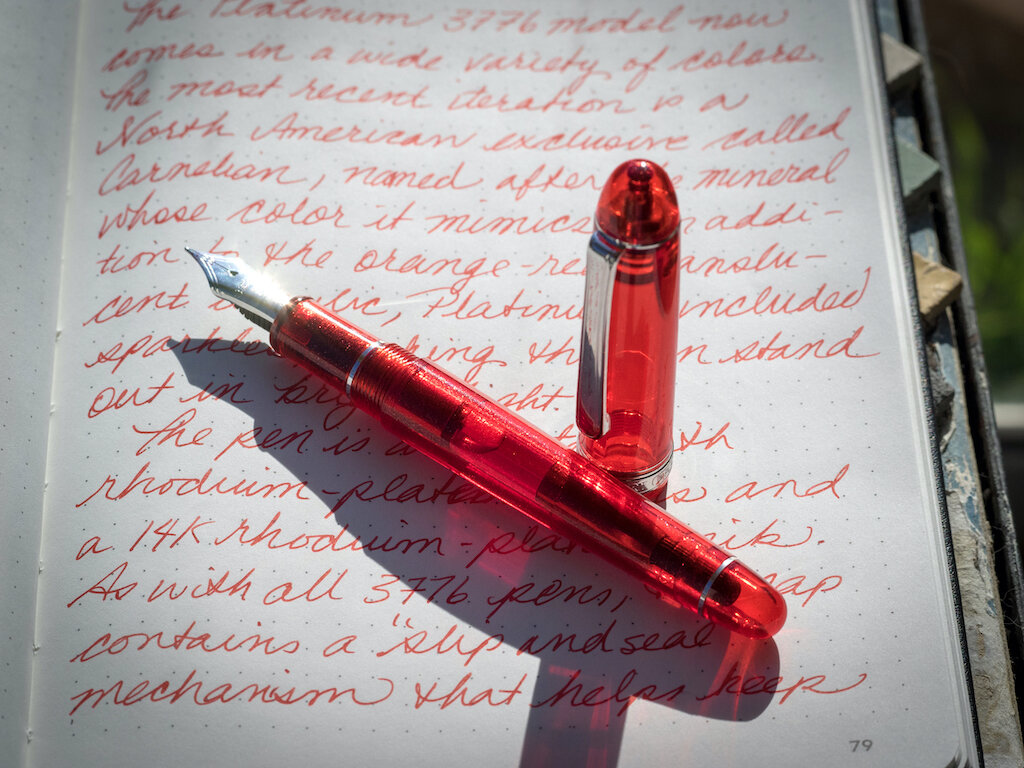
The Platinum 3776 model now comes in a wide variety of colors. The most recent iteration is a North American exclusive called Carnelian, named after the mineral whose color it mimics. In addition to the orange/red translucent color, Platinum imbued the resin with sparkles, making this pen stand out in bright light.

The pen comes in a standard Platinum clamshell box. Included are one blue cartridge and a Platinum converter.

The pen is medium-sized: 5.5 inches/140mm capped, 4.7 inches/120mm uncapped, and 6.1 inches/155mm posted. It is quite light, weighing only 10 grams (body only) and 20 grams posted. The grip diameter is 10.3 mm, so it is comfortable to hold. The pen is accented with rhodium-plated trims and a 14k rhodium-plated nib.

As with all 3776 pens, the cap contains a “slip and seal” mechanism to prevent the nib from drying out. Those of us who keep pens inked for long periods of time (ehem) really appreciate this feature.

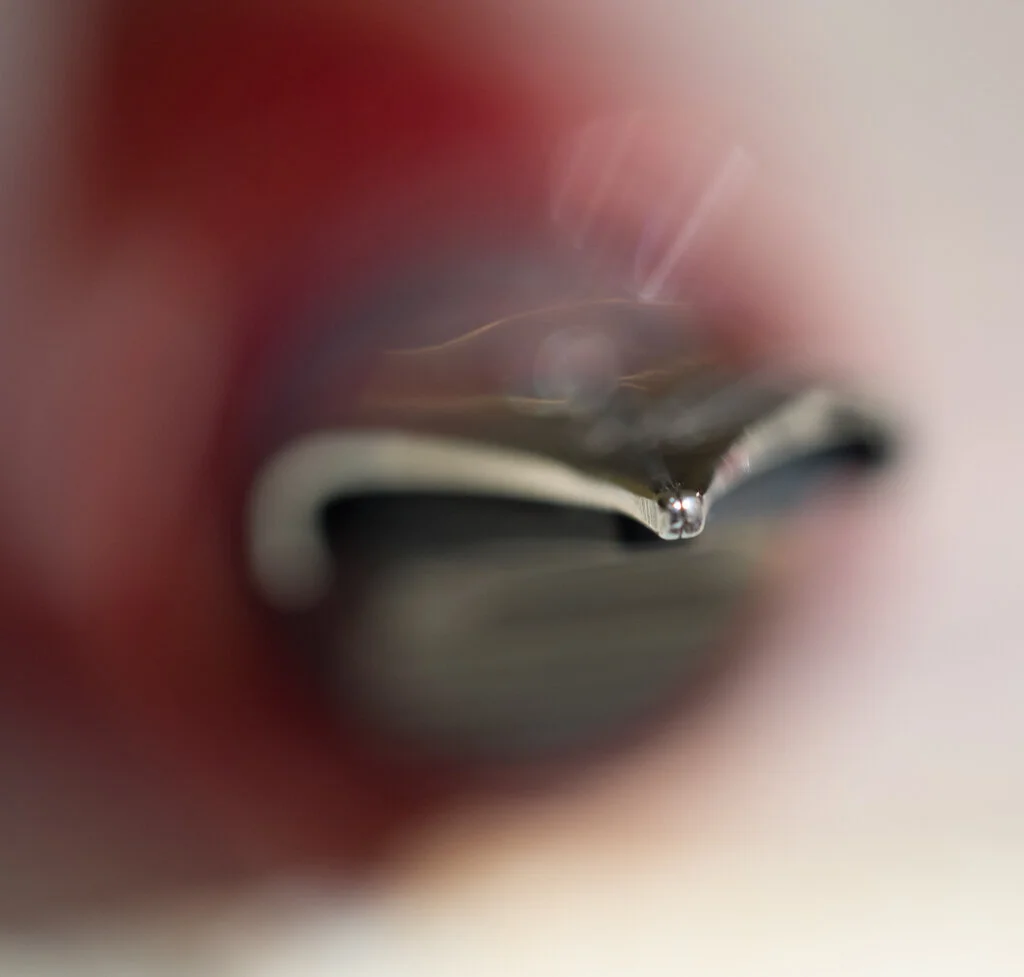
The nib on my pen is a regular medium. It is decorated with Platinum’s logo and minimalistic scroll work. Although I prefer Platinum’s soft nibs, the regular medium is smooth and trouble-free. It writes more like a Western fine than a medium.

Platinum converters are . . . adequate. They hold about 0.6ml of ink. Unfortunately, they can become hard to turn, especially if you don’t change out the ink very often. Fortunately, you can take the converter apart, clean it thoroughly, and dab some silicone grease on the stopper. Good as new!

I inked my Platinum Carnelian with Diamine Ho, Ho, Ho from the Inkvent Calendar. I noted in my review that Ho, Ho, Ho was an orangey-red (not exactly my favorite color), but it’s a great match for this pen.
You can purchase the Platinum 3776 Century in Carnelian from JetPens for $192.00. It comes in EF, F, SF, M, B, and Music nibs.

(JetPens provided this product at no charge to The Pen Addict for review purposes.)


Enjoy reading The Pen Addict? Then consider becoming a member to receive additional weekly content, giveaways, and discounts in The Pen Addict shop. Plus, you support me and the site directly, for which I am very grateful.

Membership starts at just $5/month, with a discounted annual option available. To find out more about membership click here and join us!
Posted on January 10, 2020 and filed under Platinum, Fountain Pens, Pen Reviews.

The Downside of the Handwritten Novel

(Sarah Read is an author, editor, yarn artist, and pen/paper/ink addict. You can find more about her at her website and on Twitter. And check out her latest book, Out of Water, now available where books are sold!)

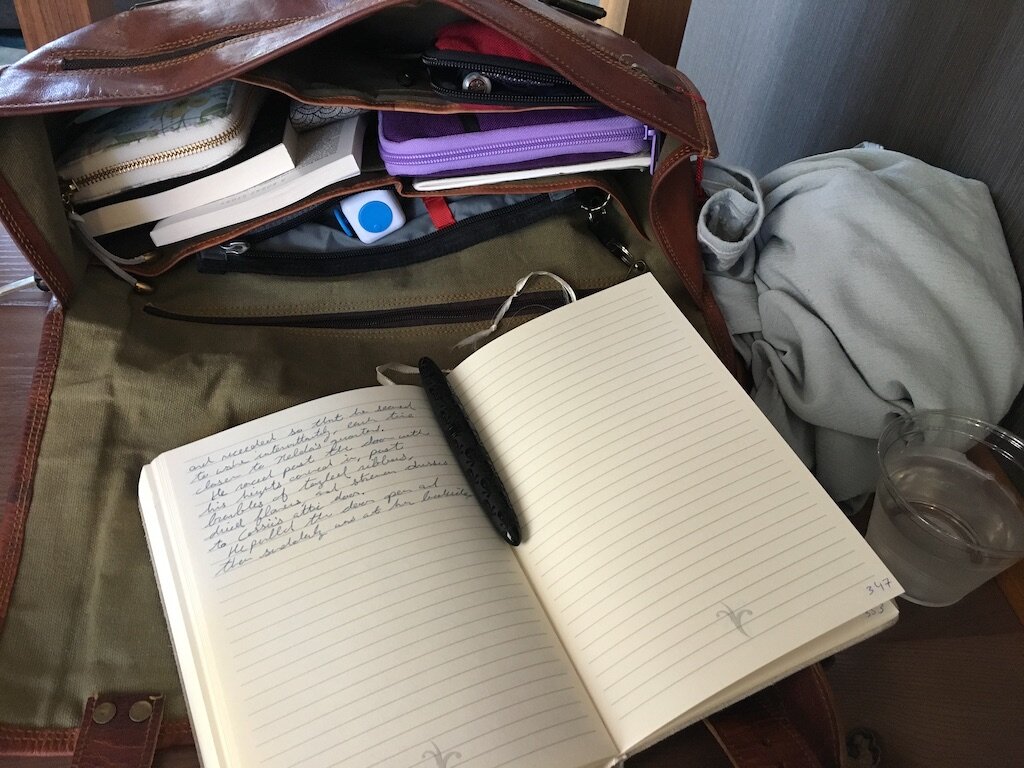
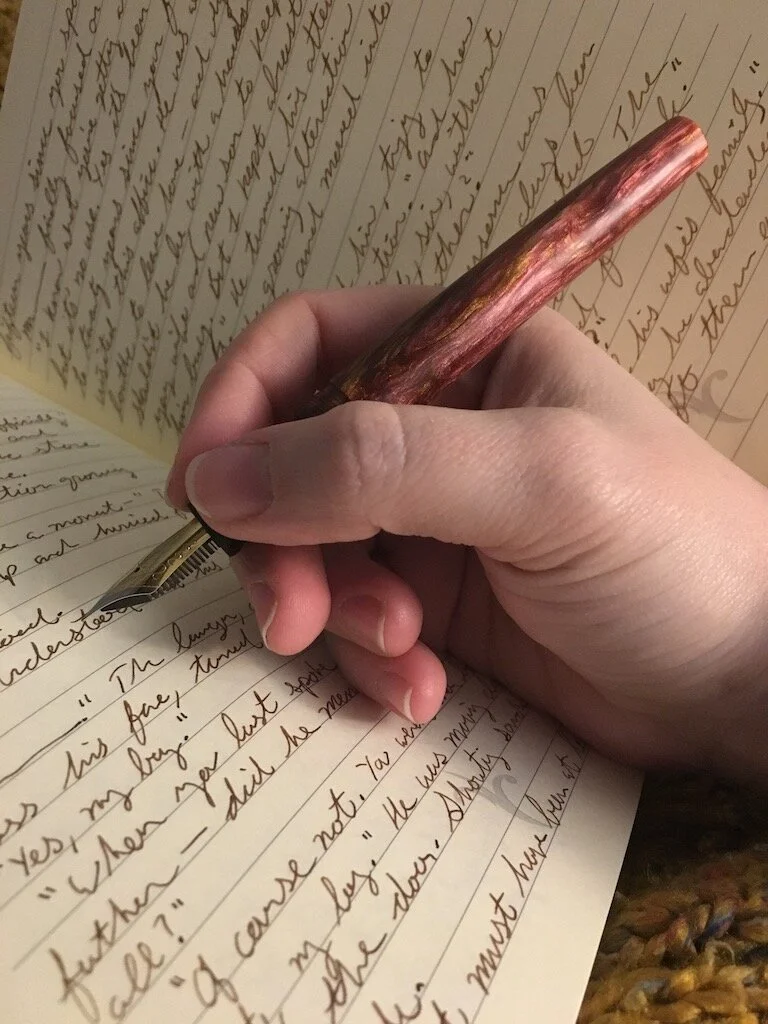
Hand writing my books and stories brings me a lot of joy. I think more clearly and creatively with pen and paper, I get to use my fine pens and fun inks in useful color codes. I use beautiful journals that inspire me, and I have a keepsake of the project when I'm through.

The problem with it is that the project isn't through after I've written the book. It's still a celebration, of course, when I scrawl 'The End' across the bottom of the last page. It's a book! A completed manuscript! But, in a way, it really isn't. In our digital age, the handwritten draft doesn't do many of the things that we need drafts to do. I can certainly mark up my written pages with some basic edits, but first drafts require so much more than basic edits. There's not much point to proofreading a chapter that needs to be entirely restructured, for example. That sort of fine-grit polish typically comes last in the edit process. No, once the book is handwritten, the first thing I need to do... is type it up.

I hate typing. I did learn how to type in school and I'm actually quite fast and reasonably accurate--but typing the contents of an entire book is time consuming and tedious. I do make some edits and changes as I type, so I still find the process useful. Once it's over, I'll even say it was worth it. But while I'm in the middle of it (which is right now, with my current project), it's a form a of torture that makes me question my life choices.

There are alternatives to typing. I've used Google Voice to transcribe my stories as I read them from my handwritten pages. It works surprisingly well, though it struggles with homonyms, unusual spellings, and punctuation. Turns out, there's a lot of punctuation in books. By the time I go back through and fix the mess, I might as well have been typing it myself. It's not so bad for a short story, but I think it would overcomplicate matters in a longer project. I've heard that the Dragon software is excellent for voice-to-text. There's a learning curve for getting it to do what you need it to, but everyone I know who has used it, swears by it. The downside to Dragon is the cost--it's $300 for the version best suited to professional writers. That's quite the barrier to entry. I think it would be worth it, and if I ever reach a point in my career where manuscripts can't wait for my reluctant typing, I'll probably invest in it.

So how long does it take me to type a book? Including the time I spend editing, rewording, and actually typing, it's about ten minutes for every 250 words. Most novels are between 50,000 and 90,000 words, with my current project hitting that upper limit. On a very focused day, if I use all my spare time available, I might get ten to fifteen pages typed, of what will likely be a four-hundred-page book. I don't have a lot of very focused days, or much spare time, typically, which is why I'm still typing the book I wrote over a year ago. When I look at it that way, I kick myself for being so inefficient and seriously consider giving up the hand writing practice. After all, if I typed my rough drafts, I'd have an actual, editable draft at the end of it! My writer friends think I'm crazy.

Here's why I'm not. I mean. Not in this way. For one, my notebook goes with me everywhere. I write everywhere. My first drafts happen quickly--it's not weird for me to write a novel's worth of material in a month. NaNoWriMo is every month for a working writer. And as a working mom who is also a working writer, being able to take my work with me is extremely valuable. Also, by the time I've typed this book, it's no longer a first draft. It's really something closer to a third draft, with all of the structural fixes in place and sentence-level smoothing happening as I go. By the time the typing is done, the book is in a state where I'd have no trouble showing it to a colleague. All the embarrassing mistakes where character's names change partway through are gone. Does it really take typists less time to get from a blank page to a third draft? I'd argue that the same amount of time is spent in both methods, just that it's weighted differently. Also, you know how in school, you're always told that copying your notes is the most efficient way to study? Writing commits things to memory. There's plenty of research on that. I'd argue that, by hand writing my book, I'm retaining more of it in my memory. And then by going back over the entire thing and typing it all out again, I'm committing even more of the story to mind. This is extremely useful in edits, because the more of the details I remember, the less likely I am to introduce inconsistencies later when I add new material or change something. Knowing your story in every detail is undoubtedly a time-saver.

Still, people are going to shake their heads at this method, and I don't blame them. This post wasn't made to convince them, so much as it is to remind me, while I am now in the middle of typing hell, that the process is worth it. That the process is important. That the process, is, actually the fun part, and why I do this all to begin with.

I also need a darn good excuse to justify all these pens and notebooks.


Enjoy reading The Pen Addict? Then consider becoming a member to receive additional weekly content, giveaways, and discounts in The Pen Addict shop. Plus, you support me and the site directly, for which I am very grateful.

Membership starts at just $5/month, with a discounted annual option available. To find out more about membership click here and join us!
Posted on January 9, 2020 and filed under Handwriting.

Lamy Swift Rollerball Racing Green Review

(Jeff Abbott is a regular contributor at The Pen Addict. You can find more from Jeff online at Draft Evolution and Twitter.)

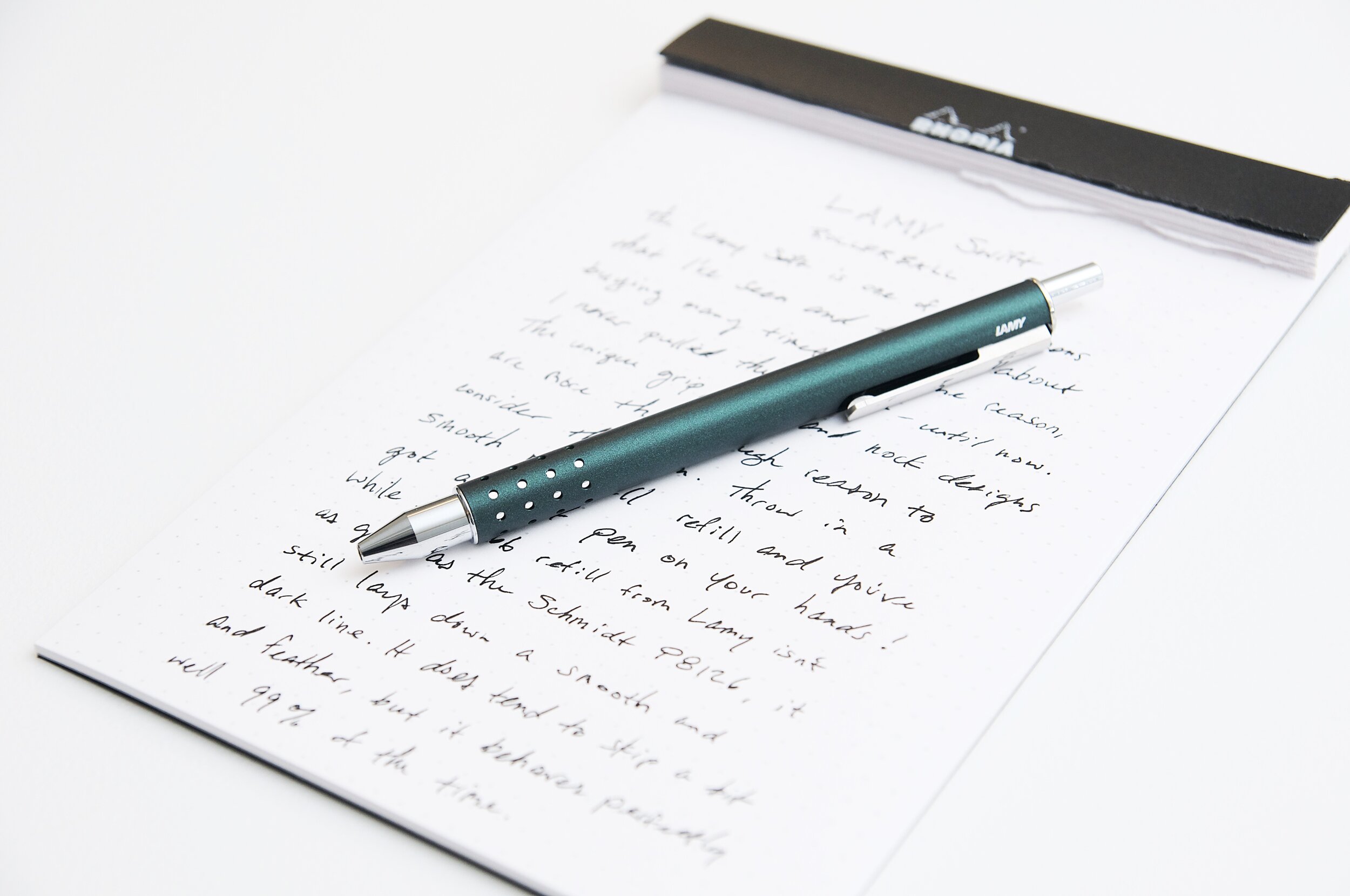
The Lamy Swift rollerball pen is one that I've seen and thought about picking up so many times in the past. For some reason, I just never went through with the purchase — now that I have one, I can really appreciate the thoughtful and unique design of this pen.

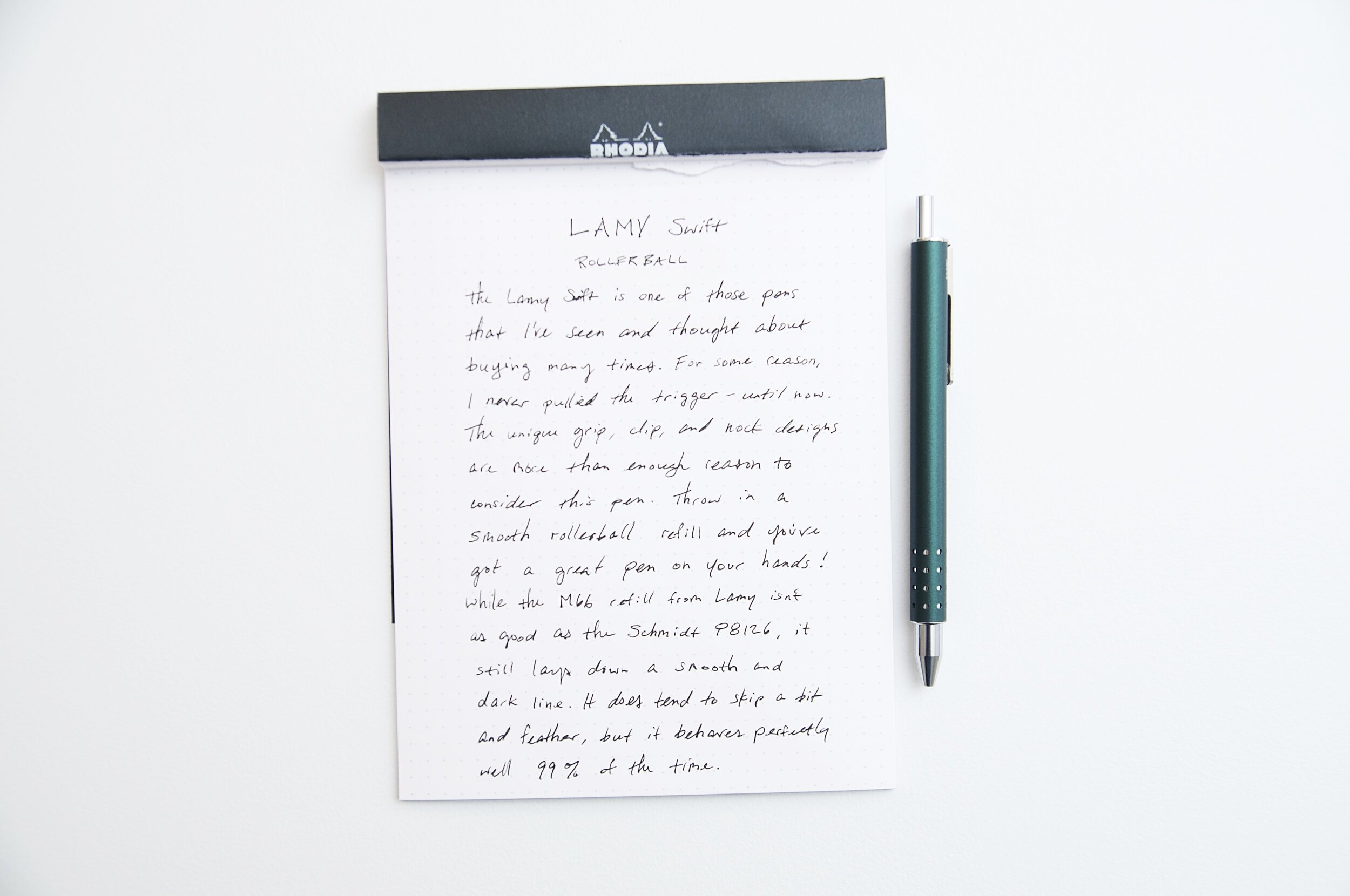
The Swift is unlike any other Lamy design, and it certainly stands out. The sleek metal barrel and shiny chrome accents compliment the unique shape and complete an overall style that is hard to put down. On top of that, the unit I have is one of the limited Racing Green editions that Lamy has been releasing for many of their pen lines recently.

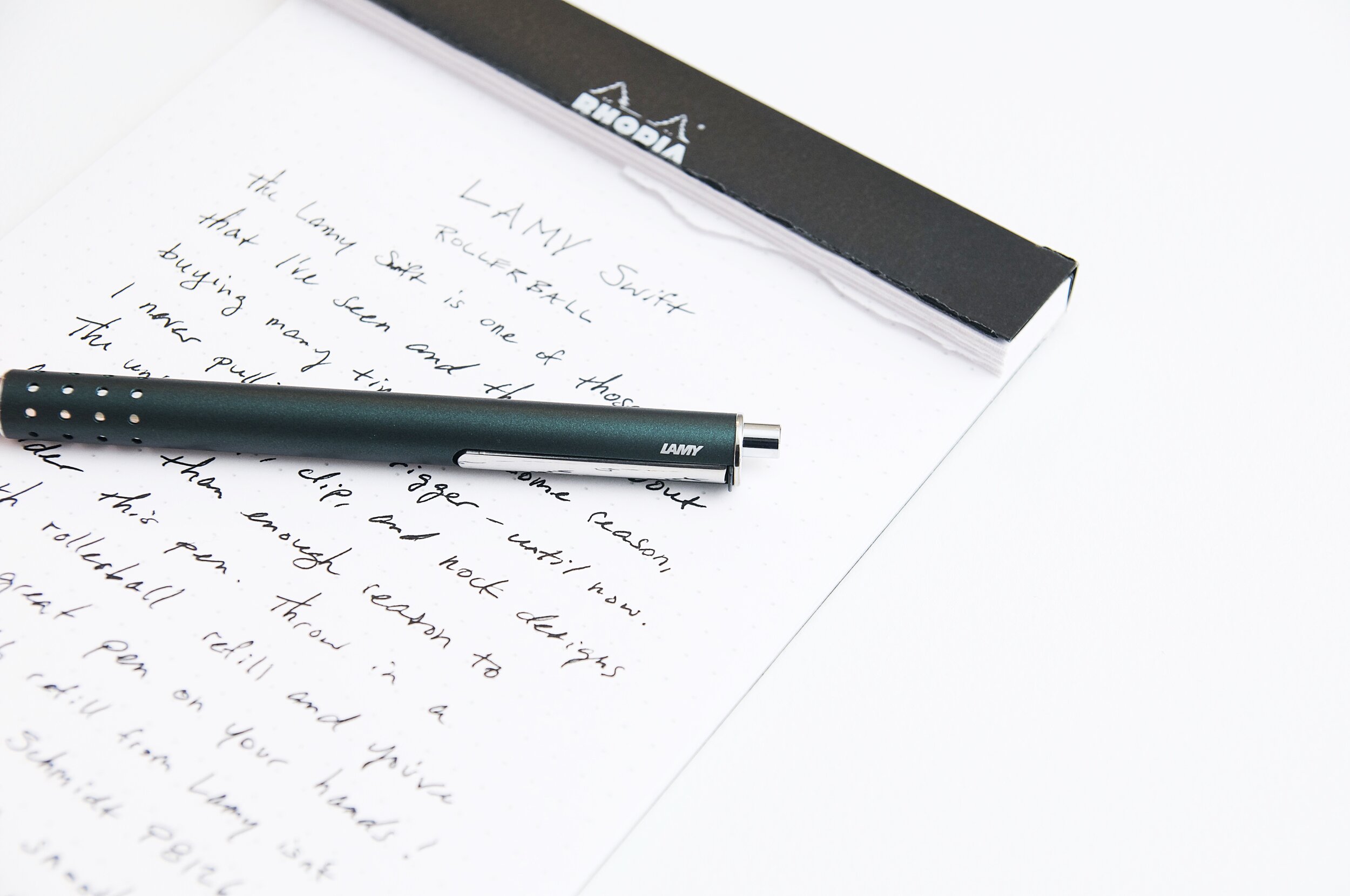
What really sets this pen apart is the unique slip design. The Swift has a trick up its sleeve, and the secret is that the clip retracts flush into the barrel when you extend the refill with the nock. When the refill is extended, the clip is totally flush with the pen barrel, which just looks really cool. When you retract the refill, the clip slides back out again for normal use.

Aside from being a cool trick, this means you can't accidentally clip the pen to a garment pocket or a bag while the refill is extended, and it also can't extend while in transit since the clip wouldn't be able to retract. No more accidental ink stains on your clothes and bags! I have to guess that a lot of work went into this unusual design, and it really shows in how smooth the clip action is in practice. The clip mechanism also necessitates a shift in where the nock is located, so this is probably the only pen I've ever seen that has a nock that isn't centered on the diameter of the barrel. It's off-center enough to make room for whatever mechanism is handling the clip movement, but I think it also just looks cool.

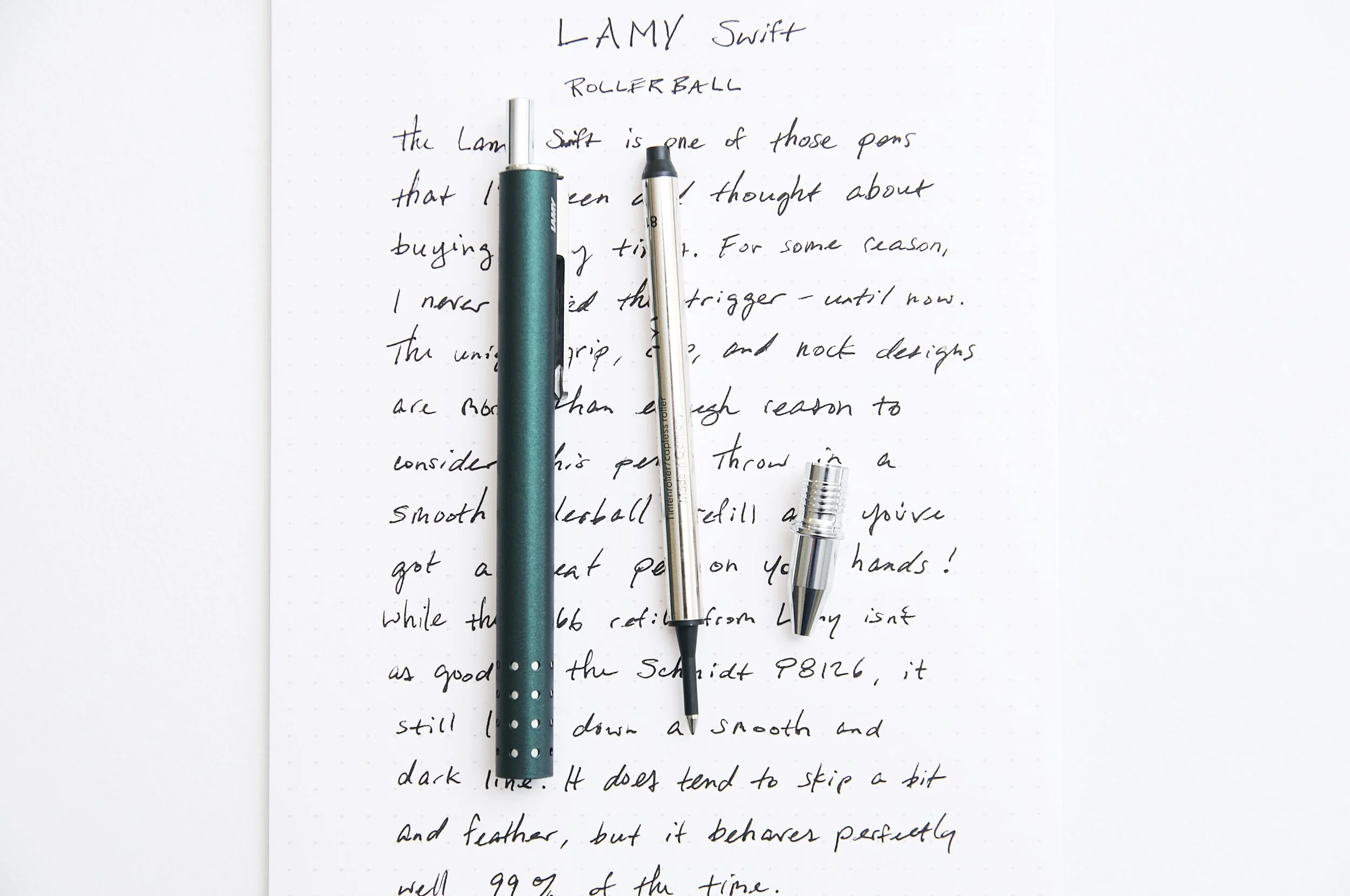
Moving further down the pen barrel, you'll notice a cool dotted grip section that adds some visual interest as well as a pretty sturdy grip. Since the outer barrel is just an aluminum sleeve, the machined holes allow the shiny chrome material to shine through. It's a great visual feature, and feels great in the hand!

The nose of the pen is nothing special, but it keeps the shiny chrome accent going to the very tip of the pen. Something about it seems different from the rest of the pen design, but I can't decide what it is. Maybe it's the sharp chamfer that contrasts poorly with the otherwise straight and round lines of the pen? Whatever it is, it always catches my attention (in a bad way).

Aside from that one complaint, I think this pen is quite attractive! It definitely gets a lot of comments.

Writing with the Swift is also pretty nice. The included M66 refill is the same one that's included with the Lamy Tipo rollerball, so it's no slouch. The ink is a rich, dark black with plenty of flow and easy movement. It's a smooth writer and is very pleasing to use. On the odd occasion, I had some very minor issues with skipping, but it never persisted for long. It's not as good as the Schmidt P8126/7 that many of us know and love, but it's certainly a great refill. One thing that I'll have to investigate a bit more is the possibility of using a G2-style refill in this pen. The Lamy Tipo, which uses the same M66 refill as the Swift, easily accepts a Pilot G2 refill with no modification. It makes the Tipo a great pen for me simply because of how it accepts so many refills. For some reason, the Swift doesn't quite work correctly with the Juice refills I was trying to use. It seems like the refill doesn't have enough clearance at the very end of the nock depression to allow the mechanism to finish its path. I wonder if a little razor work could fix the problem, but that's a time commitment I can't make right now. Has anyone else out there tried hacking a G2 refill to a Lamy Swift?

Overall, the Lamy Swift rollerball is a great little pen. It's an attractive package with a cool trick up its sleeve that will prevent ink leaks on your clothes and bags, and it looks cool while doing it! The machined grip is comfortable and sturdy, the refill is bold and reliable, and the price is still reasonable at just over $50. This would make a great gift for someone who could appreciate the clever clip design and who also may not be comfortable with fountain pens or other specialized pens just yet. If Racing Green isn't your thing, you can also choose from Matte Black, Imperial Blue, Graphite, or Palladium for the same price. Keep in mind that Racing Green is a limited color!

(JetPens provided this product at no charge to The Pen Addict for review purposes.)


Enjoy reading The Pen Addict? Then consider becoming a member to receive additional weekly content, giveaways, and discounts in The Pen Addict shop. Plus, you support me and the site directly, for which I am very grateful.

Membership starts at just $5/month, with a discounted annual option available. To find out more about membership click here and join us!

Posted on January 8, 2020 and filed under Lamy, Rollerball, Pen Reviews.