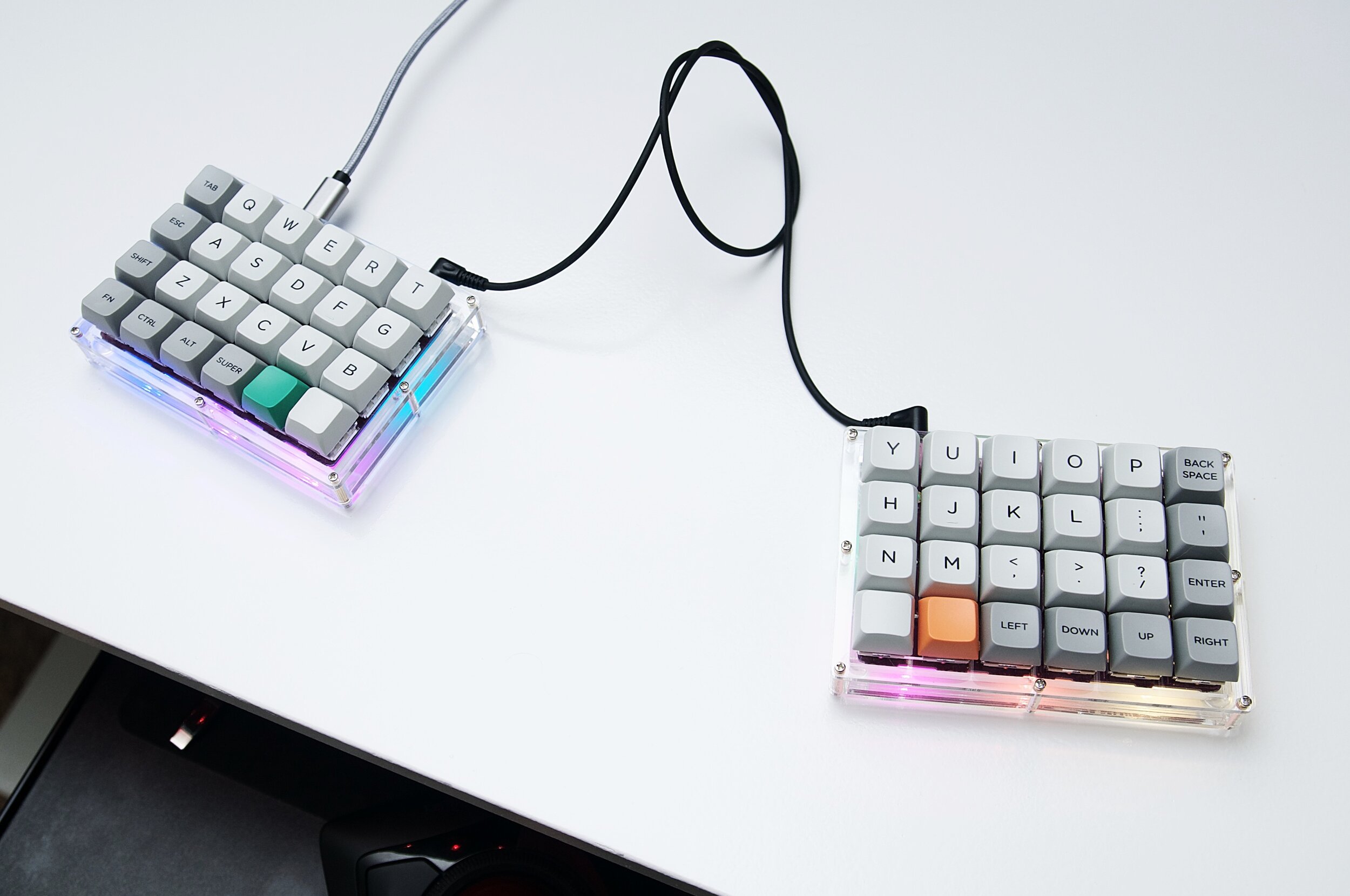
Without going into any (hilarious) memes about who or what might have walked, simply or not, into a fictitious place, suffice it to say that I didn't jump straight from my Dell Latitude laptop keyboard from circa 2004 to this mind-breaking contraption. This, like many other journeys, has been a long time in the making.
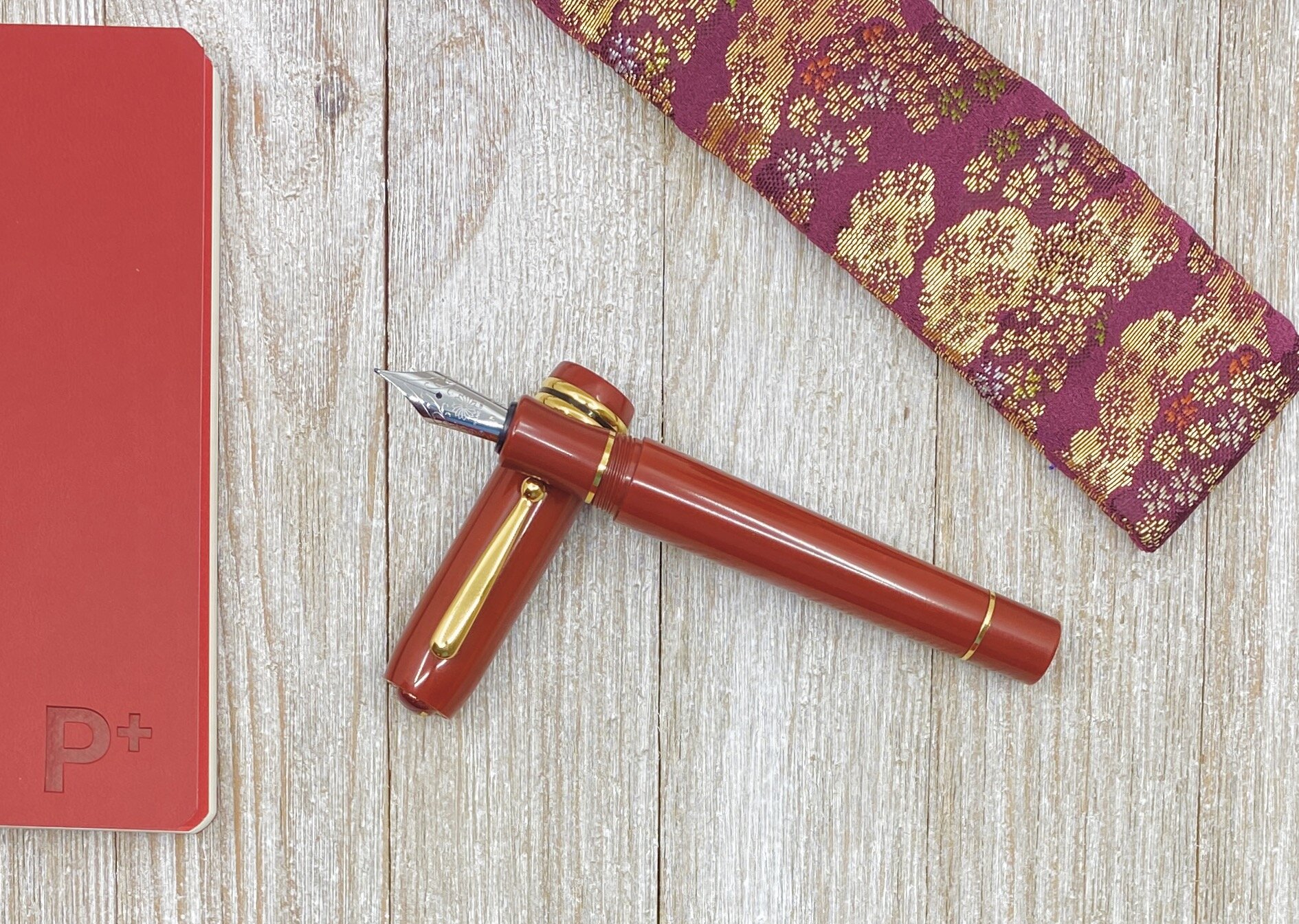
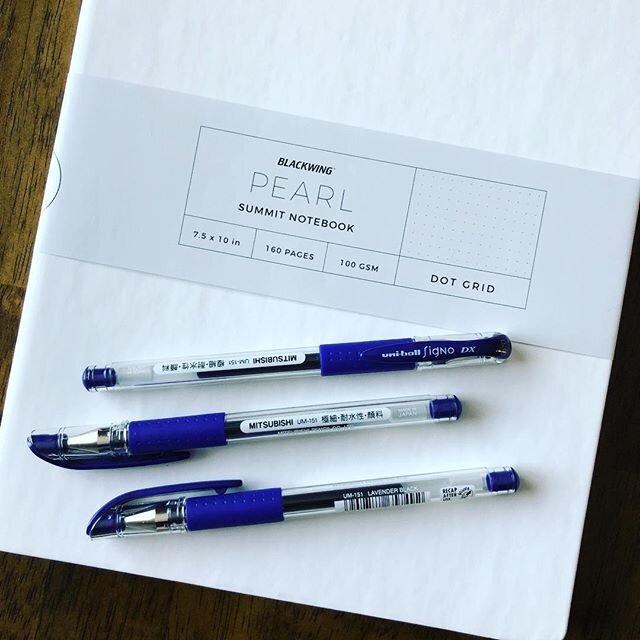
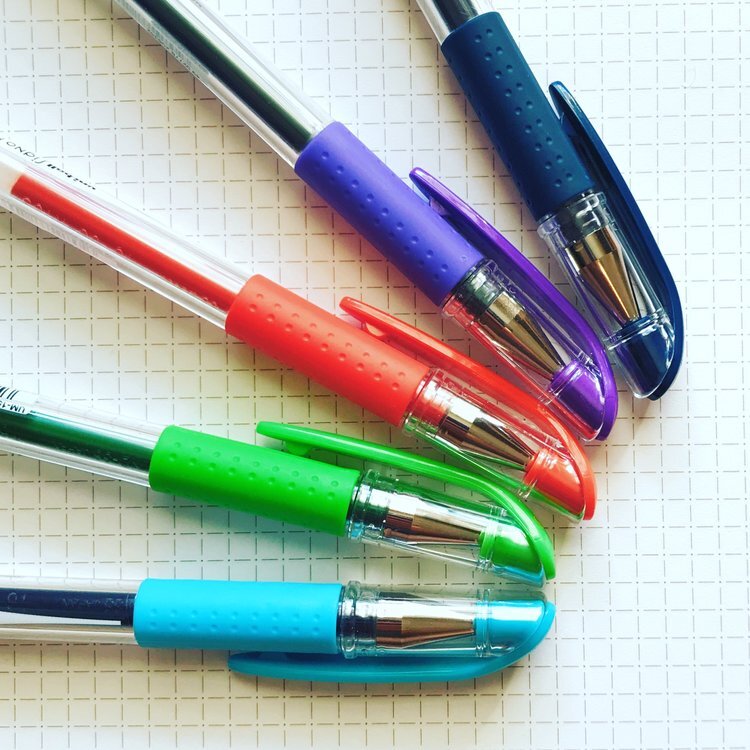
The unassuming and obfuscated point I'm trying to make is that these two interests are incredibly related and even more incredibly similar when you widen the perspective. Yes, there are many similarities between the worlds of stationery (fountain pens in particular) and mechanical keyboards.
My interest in finer pens evolved as a young child when learning to write. I understood quite early on that all pens feel different. Some are more pleasing to use than others. Some are better in certain situations, but perform quite poorly in others. They're tools, and the level of customization and individuality is astonishing.
These same things are true of keyboards — and not even just mechanical keyboards.
Want to know something else that's true about both pens and keyboards? You can spend next to nothing (free in most cases) to get something that does exactly what you need. In the case of a pen, the free Bic at the hotel room will write on paper 99.999% of the time. The keyboard that is integrated with your laptop? Again, should work flawlessly 99.999% of the time provided proper care is given (unless we're talking about recent MacBooks...oh boy).
So how did I fall down this rabbit hole, and why am I proposing you might also be interested? You never know. This might be your next hobby.
Quick disclaimer: mechanical keyboards, like fountain pens, can get fairly expensive, and are much more expensive than the more generic, affordable versions they replace. Most people don't need a mechanical keyboard or fancy fountain pen, but they are nice things that can enrich your life and provide joy. That said, they're not essential to life and you shouldn't spend money on these things if there are higher priority needs in your life.
My journey into the world of mechanical keyboards started in an unexpected place: Twitter. I can't remember exactly where I first heard of this concept, but I remember thinking to myself, "What is the difference between the keyboard I'm using now and a mechanical keyboard? Aren't they all mechanical except for touch screens?"
I quickly learned that a mechanical keyboard is one that uses many individual, high quality switches instead of the typical "rubber dome" suspension system that made keyboards easy and inexpensive to make. I was also stunned by how much they cost — starting at around $50 for something that didn't seem to be made by a reputable manufacturer, and up to a couple hundred dollars from there.
So, why spend close to a hundred bucks for a beginner mechanical keyboard? Well, those mechanical key switches make all the difference, and you get what you pay for. The switch is the soul of the keyboard and dictates the tactile experience of typing. The cheap rubber dome switches feel like mush, whereas mechanical switches feel like precise machinery. On top of that, I learned that there are different types of switches, usually denoted by colors. It was so confusing trying to determine what all this meant and why I should even care, but it was still interesting. I mean, there's a loyal fan-base and community around these things, so there must be something to it, right?
Well, the only way to find out is try one — just like fountain pens. You can read about them and watch YouTube videos, but you'll never know if you actually like them until you try them with your own hands.
I decided to take the plunge with an affordable Cooler Master keyboard with Cherry MX Blue switches that I found on Amazon. At $70, it was enough to ensure quality parts but not too much to scare me away. This was back in 2013. Things have...escalated since then.