(Kimberly (she/her) took the express train down the fountain pen/stationery rabbit hole and doesn't want to be rescued. She can be found on Instagram @allthehobbies because there really are many, many hobbies!.)
The question “should I get a Vanishing Point?” is asked often enough that I think it merits its own little article. Not because it’s particularly difficult to answer but because it’s not a one-size-fits-all kind of answer. Still, this is meant to be a “quick” comparison, so let’s get to it!
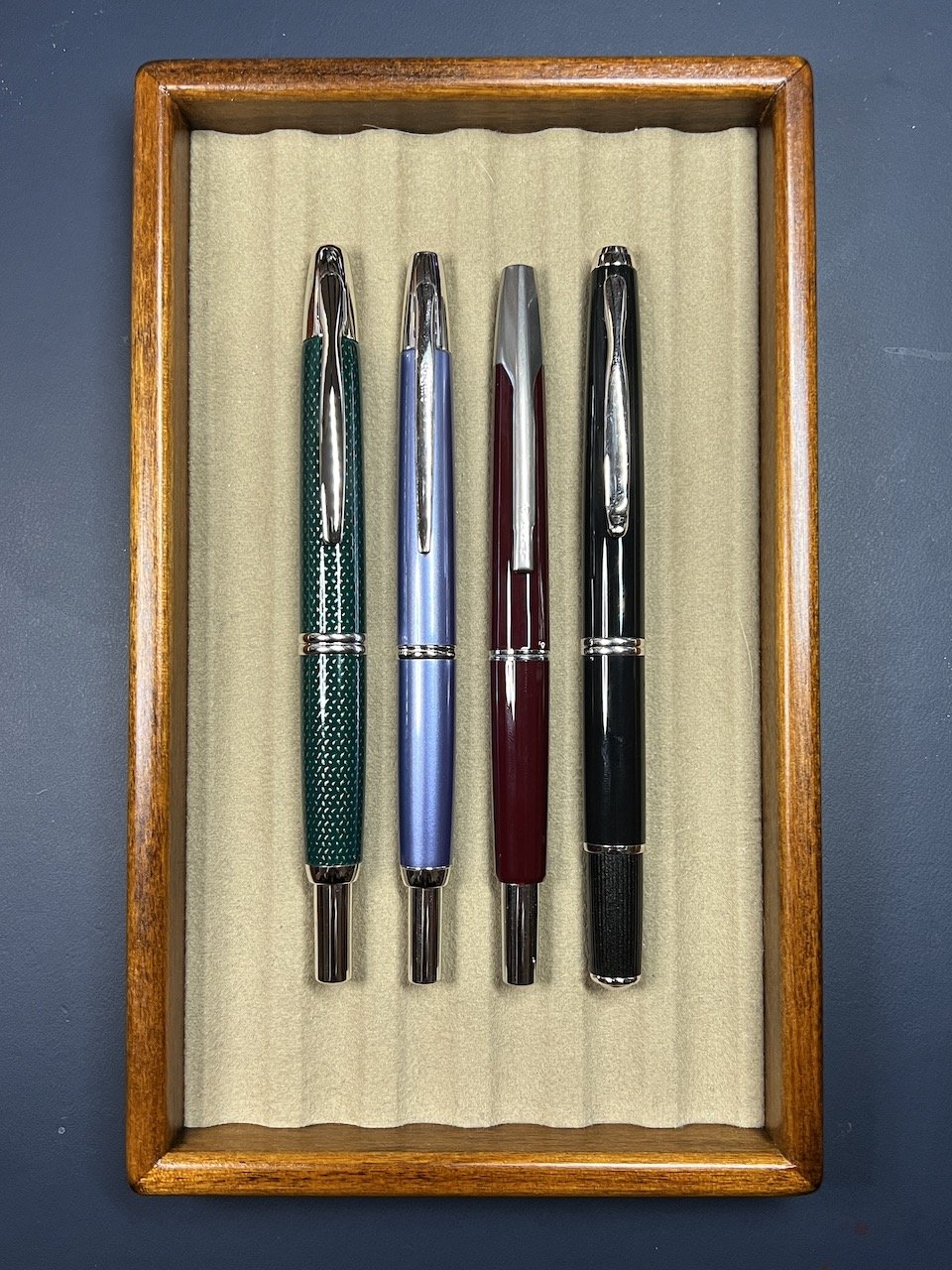
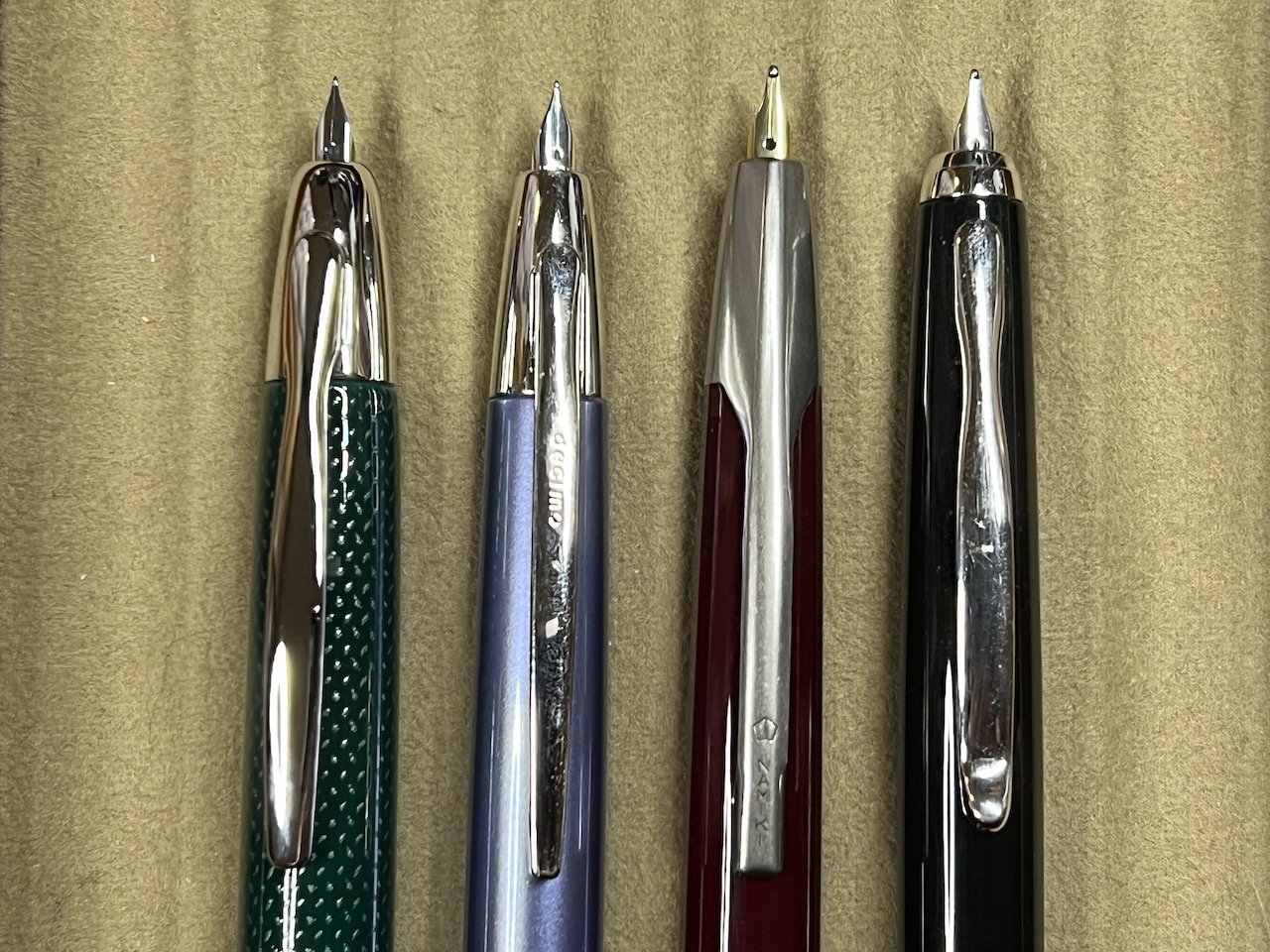
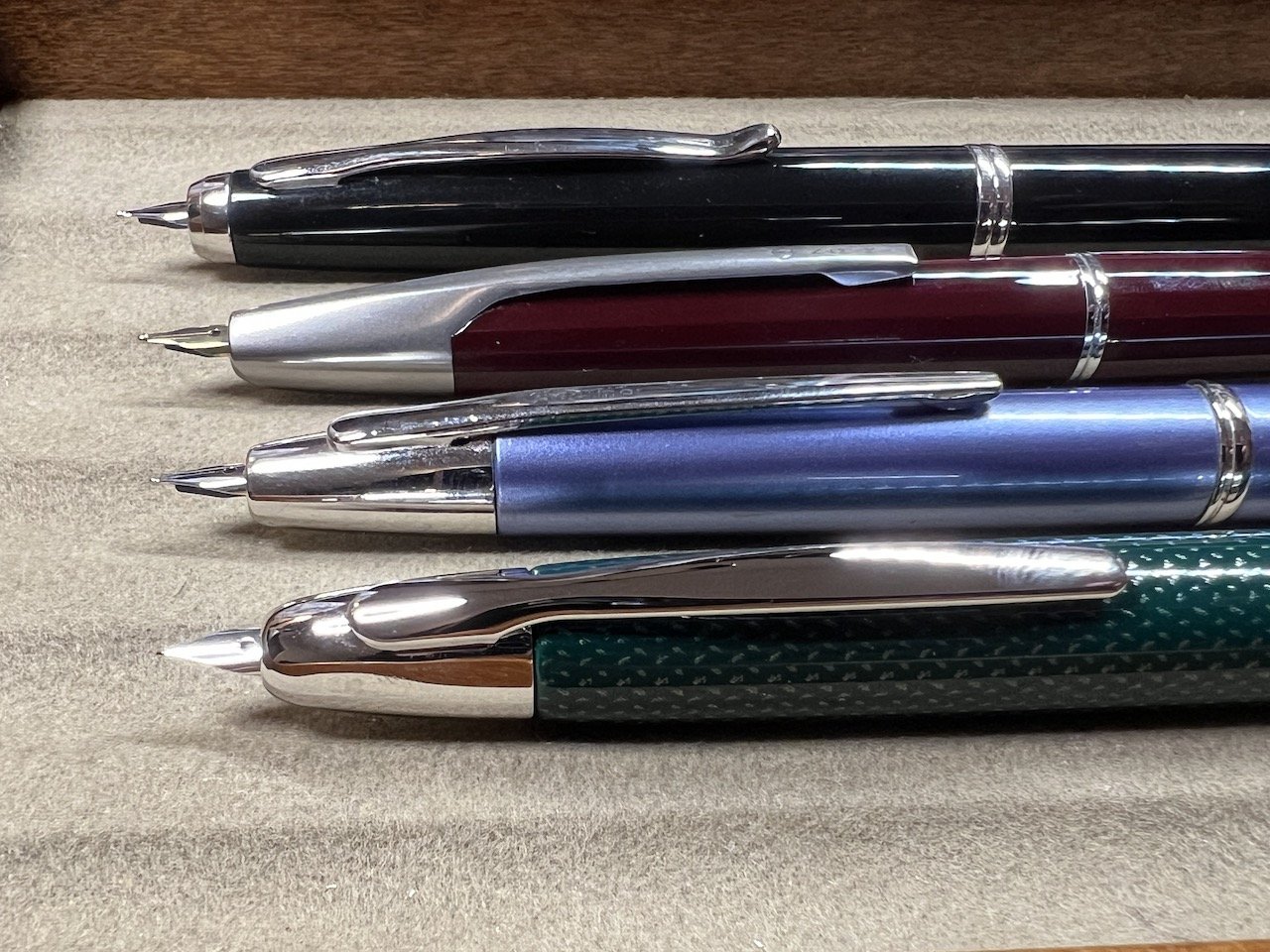
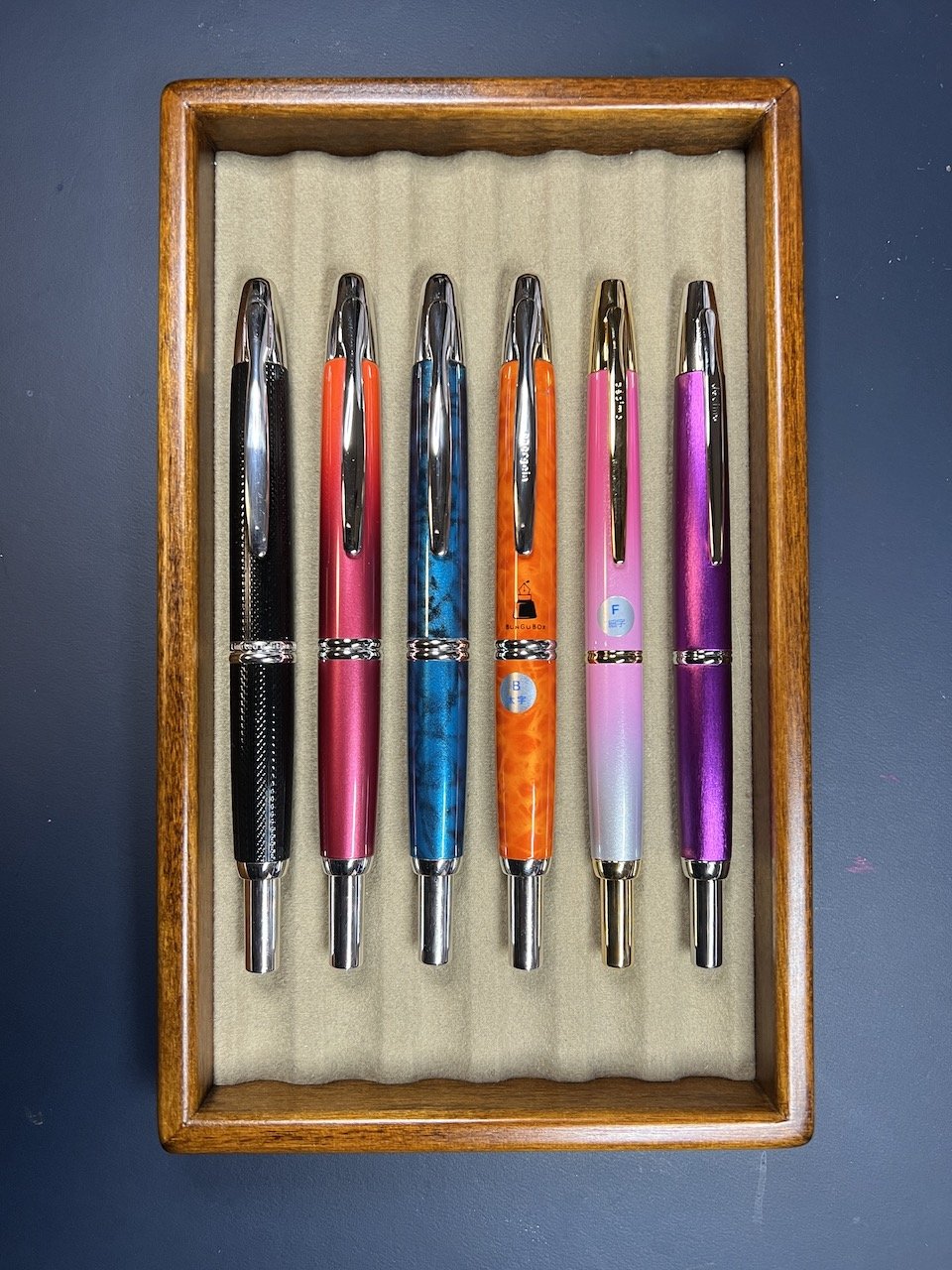
The Pilot Vanishing Point was first introduced in the early 1960s as the Pilot Capless. It is still called the Capless in the Japanese market and a few others as well. As the name implies, it is a pen that does not have a cap. Carmen Rivera has written a short history of the Pilot Capless with links to the many variations of the pen up until 2010. I will be using the term “Capless” for this group of pens that don’t have caps, and “Vanishing Point” for the specific model of that name. There are a lot more models of the pen that I don’t have, so I will be focusing on the most commonly discussed models - (1) Vanishing Point (AKA “VP”), (2) the Decimo, (3) faceted VPs and (4) the Fermo.
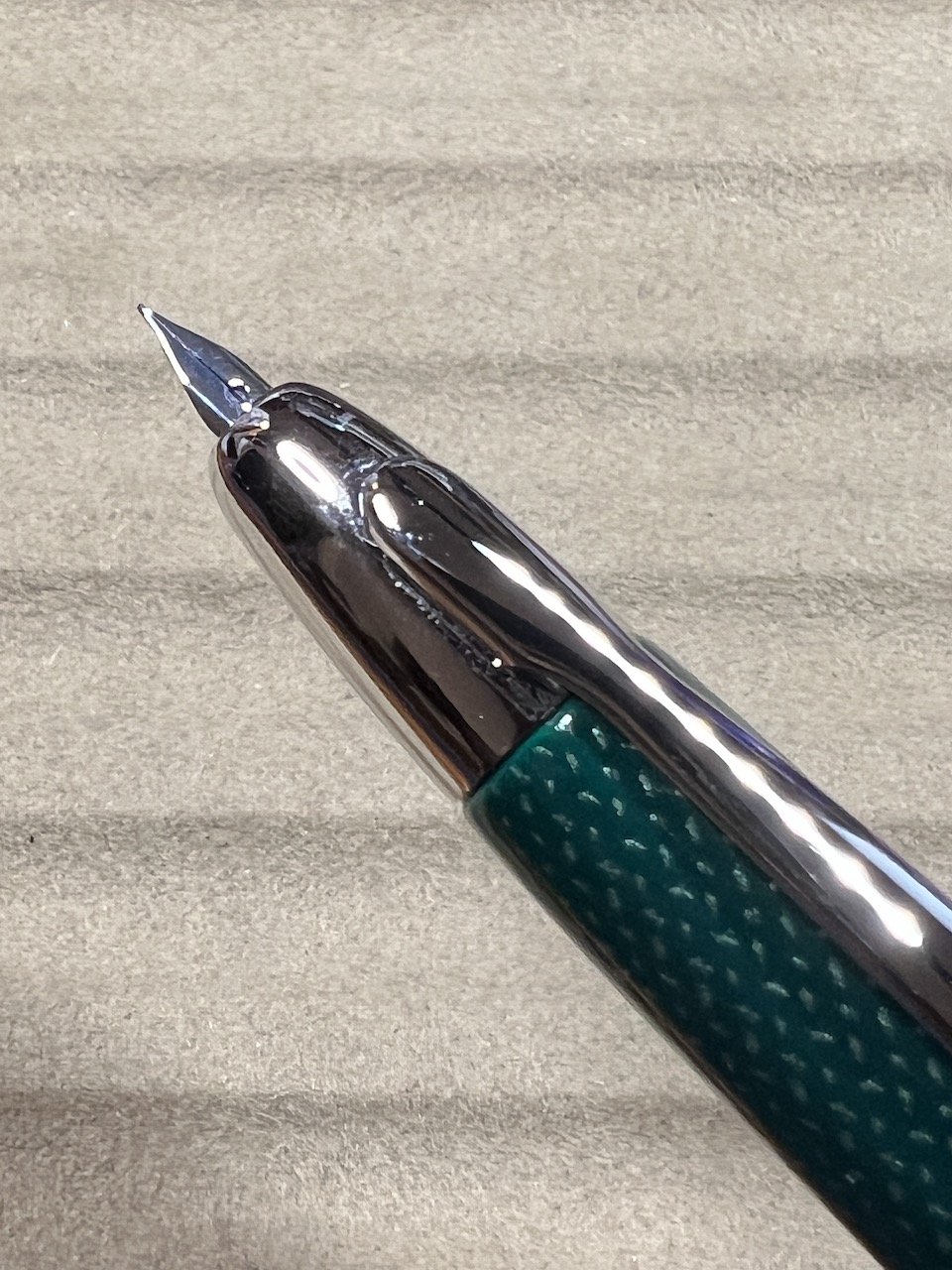
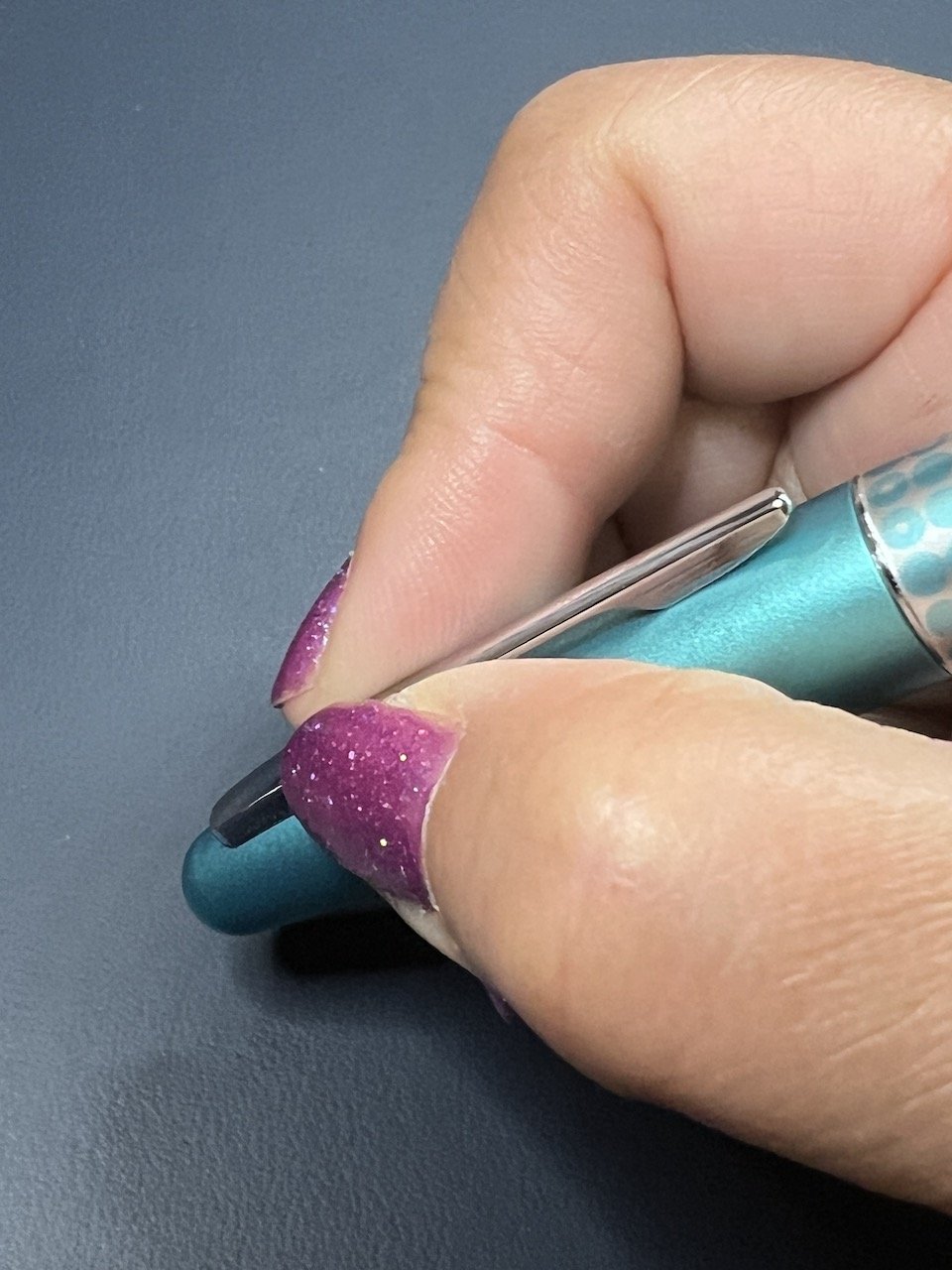
The VP in its current form, as well as the faceted ones (which were released in the 80s) and the Decimo, use a knock, push button or “clicker” atop the pen, which extends and retracts the nib. This allows the user to quickly make notes without dealing with capping and uncapping a pen, and by extension, or dealing with what to do with said cap. You can imagine how handy this is if you’re not at a desk, like a doctor who needs to take notes while standing, or if you just need to write a few words or check off a todo list. The Fermo requires you to twist the back end of the pen to extend and retract the nib.